

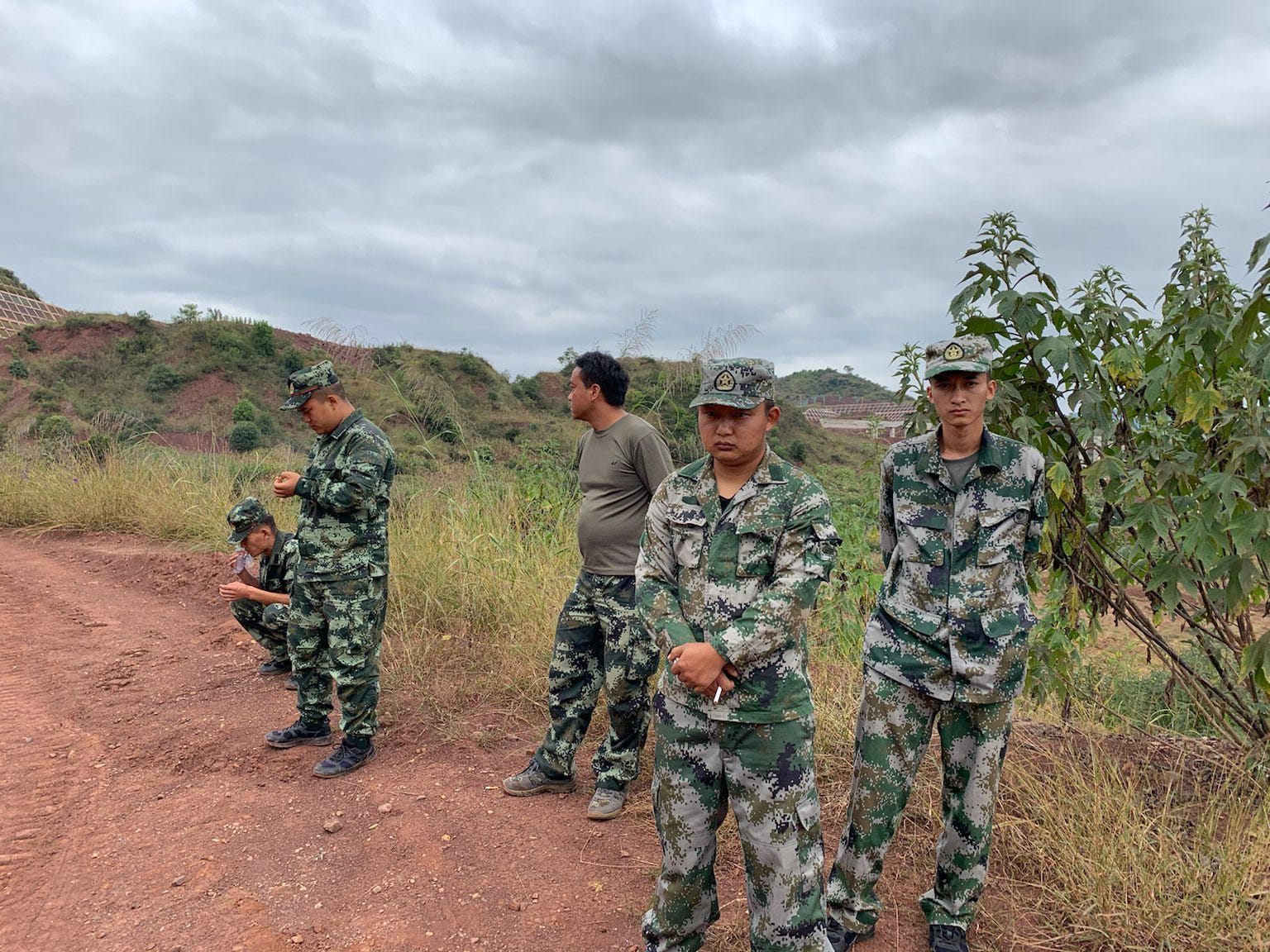
The tale of the miners who cleared guano from an abandoned mineshaft in Mojiang county in remote Yunnan, has become lab-leak lore. Most sources agree that six men came down with a respiratory illness requiring lengthy hospitalization, and three eventually died. On learning of their story, WIV visited the cave and it was here they discovered Ra4991 (later renamed RaTG13) the bat virus that for a time was the closest known relative to SARS-CoV-2.
For obvious reasons this has led to much speculation. A common theory is that WIV sampled other dangerous RaTG13-like viruses here that they didn’t disclose, and one of these became SARS-CoV-2 - perhaps after some “risky research” at an inappropriately low biosafety level. An intriguing alternative proposed by Jonathon Latham is that a progenitor virus was isolated from the miners’ clinical samples after it adapted in their bodies during the course of their prolonged illness. This is analogous to the theory of the evolution of Omicron in an immune suppressed patient.
Yet I have doubts that there’s any truth at all to the story of the miners. The primary sources are postgraduate student theses, not official documents or media reports. The sources conflict with each other on key details, lack references, there are numerous errors. It’s as if the information was communicated to the students indirectly and verbally - Chinese whispers.
A most intriguing aspect of the story is that the Wuhan Institute of Virology conducted tests on the miners’ clinical sera, which showed they were seropositive for SARS. This is a claim made in the theses of two students external to WIV, but not in a third by Zhengli Shi’s own student - whose thesis focused on SARS serology.
Li Xu was a master’s student at a Kunming hospital where he was involved in diagnosing and treating the miners. His May, 2013 thesis says:
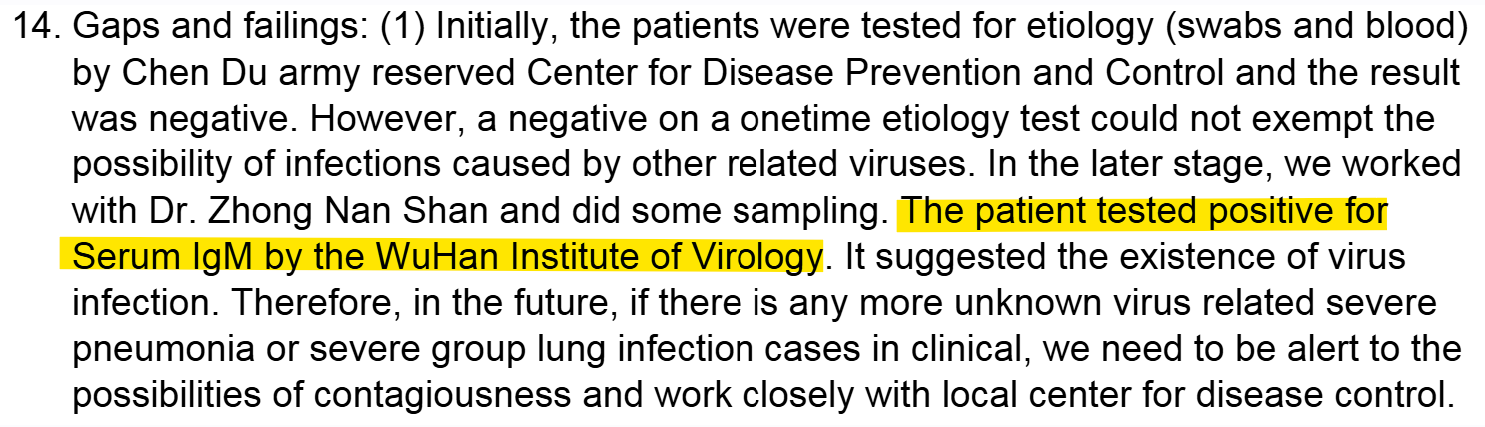
Canping Huang, a student of George Gao at China CDC, says in his PhD dissertation (June, 2016):

Note the discrepancy between IgM vs IgG antibodies, and that the first thesis lacks detail on the number and titer of positive tests.
The May 2014, thesis of Zhengli Shi’s master’s student Wang Ning is focused on coronavirus serology and briefly mentions the miners. She says the incident happened in 2011, while other sources say 2012. The incident is framed as a rationale for her research - to find out whether the Nucleocapsid of bat and other human coronaviruses (e.g. OC43) will react with SARS patient sera. She tests the sera of random WIV staff, “fever patients from a Yunnan hospital” and SARS patients. But she doesn’t claim that WIV had obtained the miners’ sera for testing. If it was tested at WIV it seems Zhenghli Shi didn’t tell her about it. Bizarre as this would have been a scientifically exciting discovery.
One of the Nucleocapsid proteins Wang tested is from sample 4991. In a 2016 paper, WIV announce sequencing the partial RdRp of novel coronavirus Ra4991. The paper states the samples were collected in an abandoned Mojiang mineshaft, but doesn’t mention the illness of the miners. If they had serology results showing a SARS-related coronavirus was linked to fatalities from the same mineshaft, why didn’t they try sequence the full genome immediately?
During the pandemic when questioned on the miners, Zhengli Shi denied they had ever tested positive for a SARS-like virus, saying their illness was fungal - but “if they stayed in the mine longer they would surely have caught a coronavirus”. She said they had stored sera samples from the miners which they re-tested in 2020 and found negative for SARS-CoV-2. She didn’t address the earlier claims of seropositivity attributed to them by third parties.
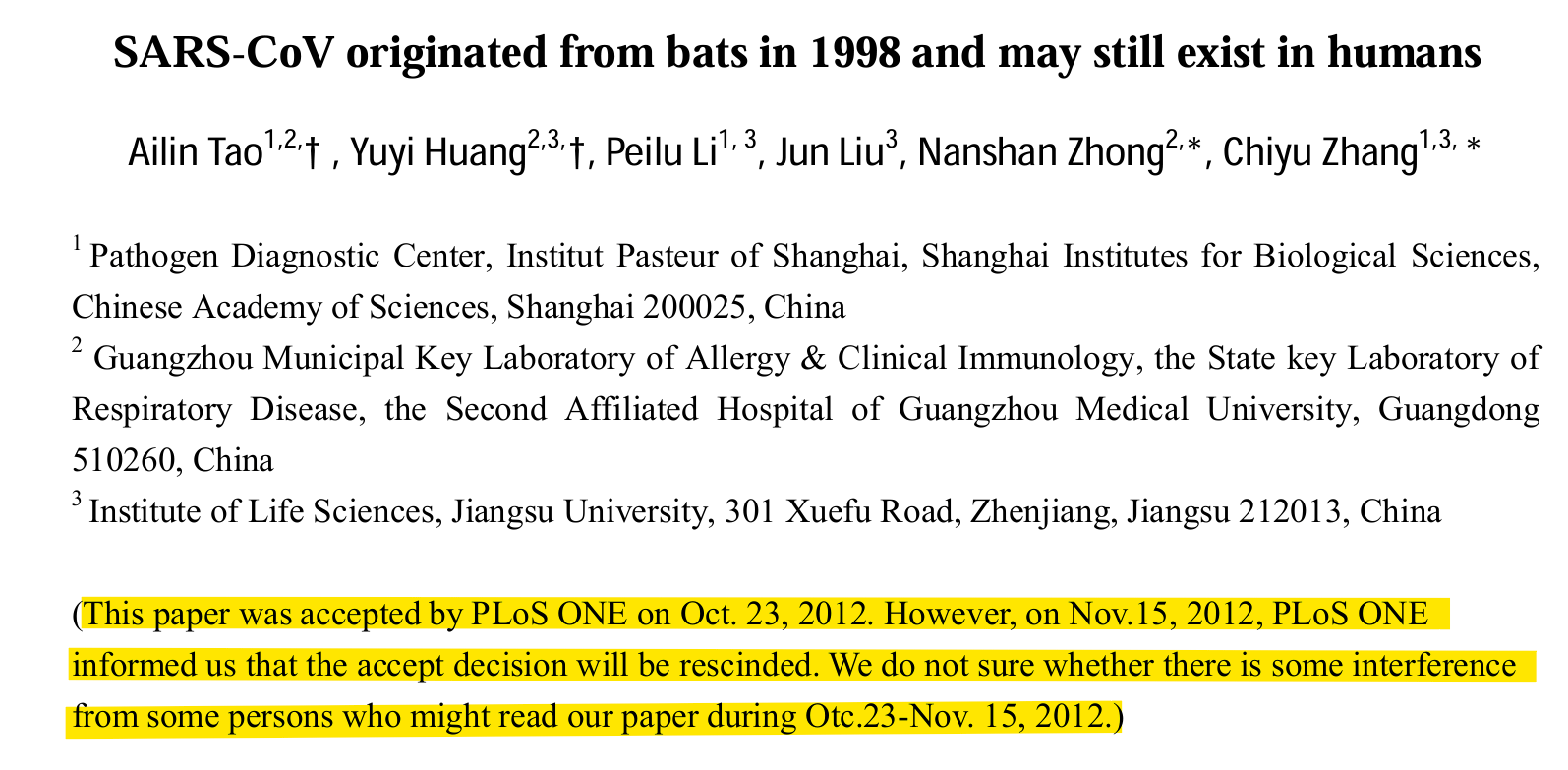
Li Xu’s thesis claims Zhong Nanshan was consulted about the miners (although it affiliates him with the wrong hospital). Zhong apparently suggested in a teleconference the disease could be caused by a SARS-like virus and proposed serology testing. Yet a few months later, Zhong was trying to publish a paper suggesting SARS emerged in Guangdong. It doesn’t mention the miners or Yunnan at all. The pre-print still on arXiv has an extraordinary annotation suggesting someone may have “interfered” in having the paper withdrawn by the publisher.
Coincidentally, EcoHealth/PREDICT sponsored a conference in Kunming in October, 2012 - just a few weeks after the last of the miners was discharged from hospital. The speakers are all leading experts in the origin of SARS (including Zhengli Shi and Wuchun Cao) but the origin of SARS wasn’t on the agenda.
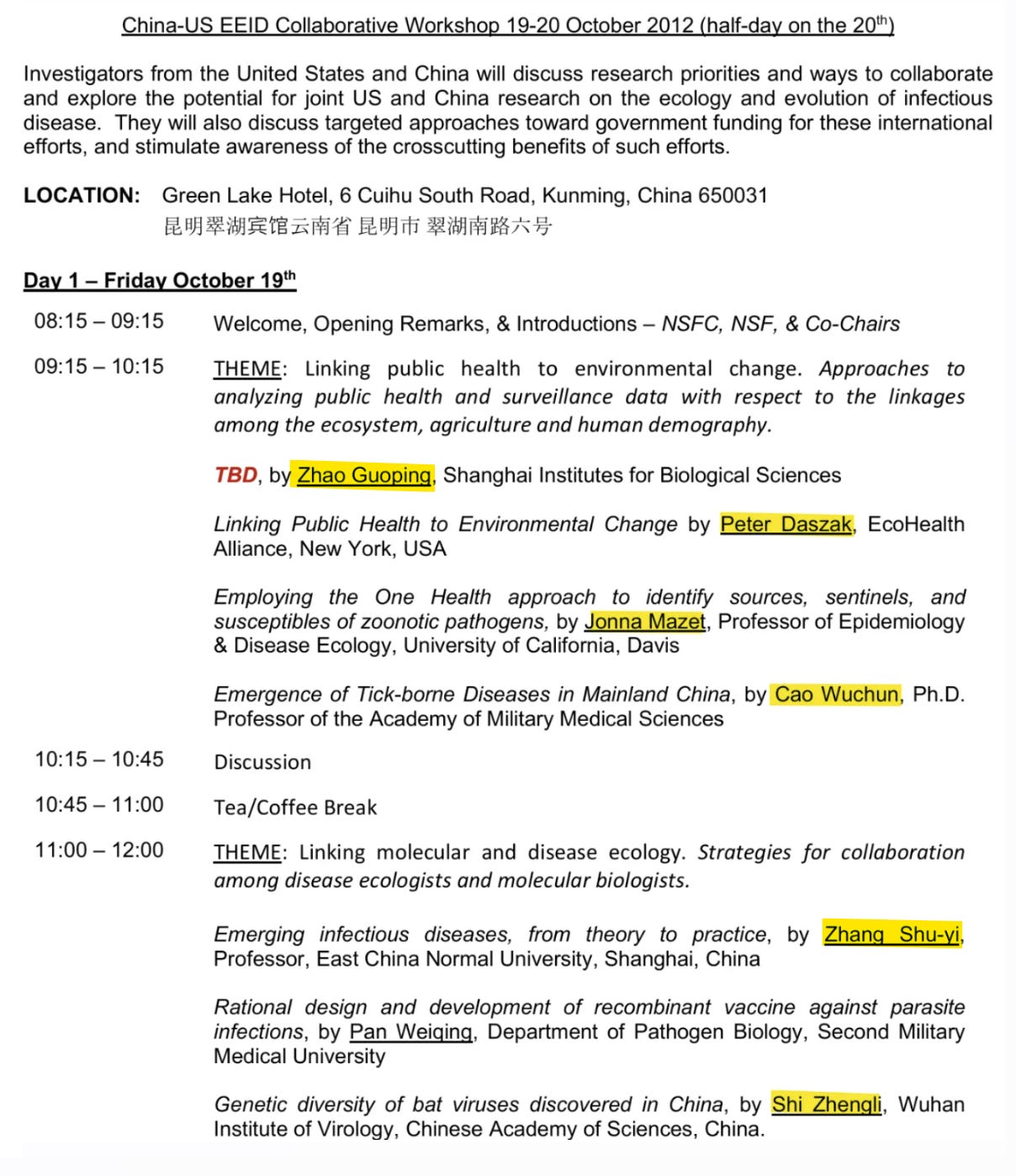
I FOIA-ed emails from Jonna Mazet to/from the conference delegates. There is no mention of the miners, nor the other exciting news - the ACE2 binding viruses WIV had purportedly discovered near Kunming.
A few weeks after the conference another group that includes the Beijing-based Institute of Pathogen Biology (IPB) sampled the mine. This was announced in a paper published in early 2014 and deemed interesting enough to warrant an article in Science. Oddly, the paper claims that three miners died, but doesn’t mention that three also recovered. It’s not just an omission from the paper, it’s clear from the article they weren’t aware.
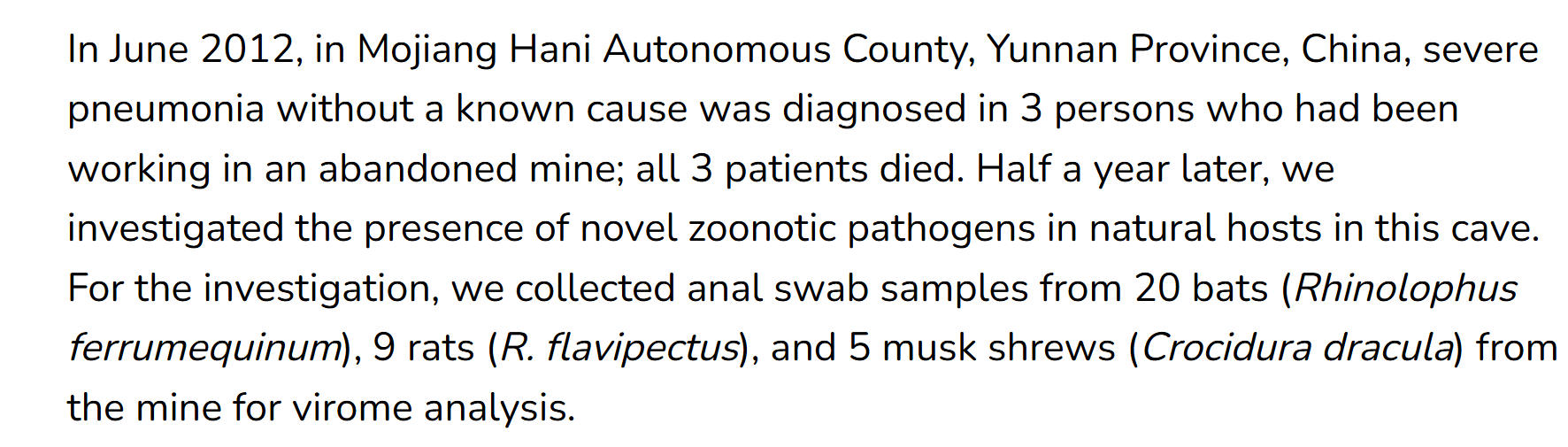
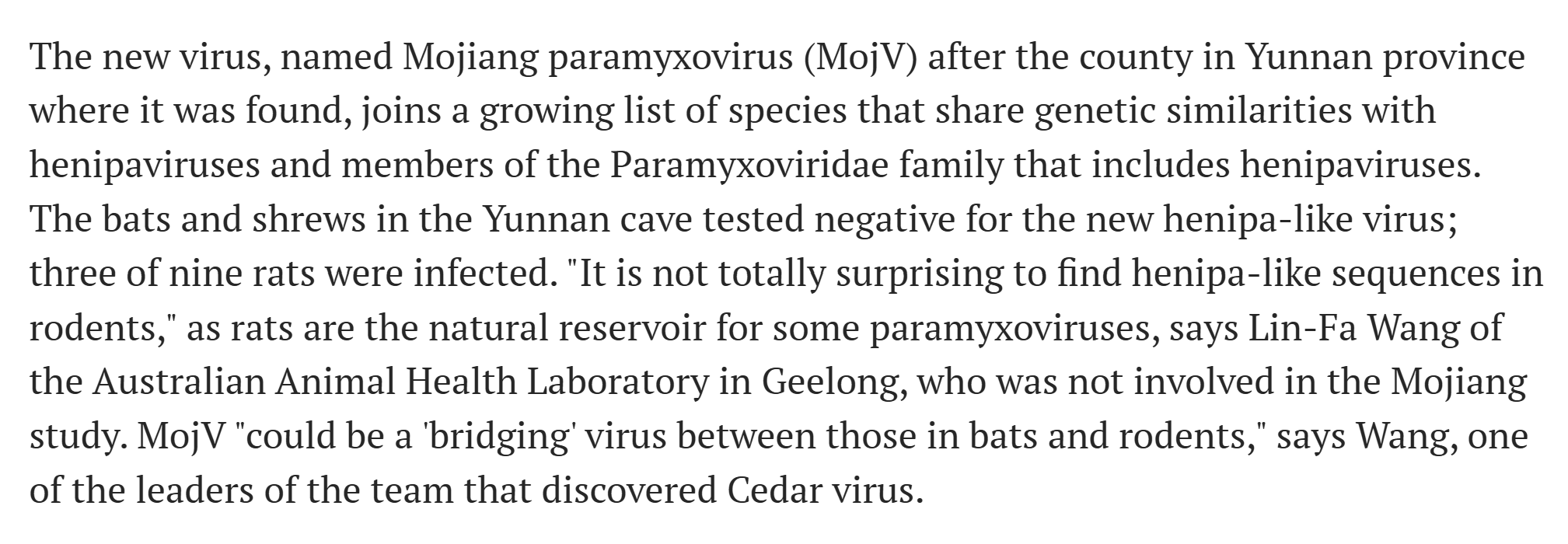
The paper doesn’t mention coronaviruses. It seems they hadn’t read Li Xu’s thesis or heard of WIV’s serology results either. Instead, they announce the discovery of a novel paramyxovirus, MojV, similar to Hendra and Nipah - a potentially deadly pathogen. It’s the first time such a virus had been sampled in rats, previously they had only been found in bats. The authors don’t go so far as to claim it’s what killed the miners, they say they aren’t able to test. They’re oblivious that three of the miners survived. Testing to link MojV, to their illness would have been possible - if they’d known.
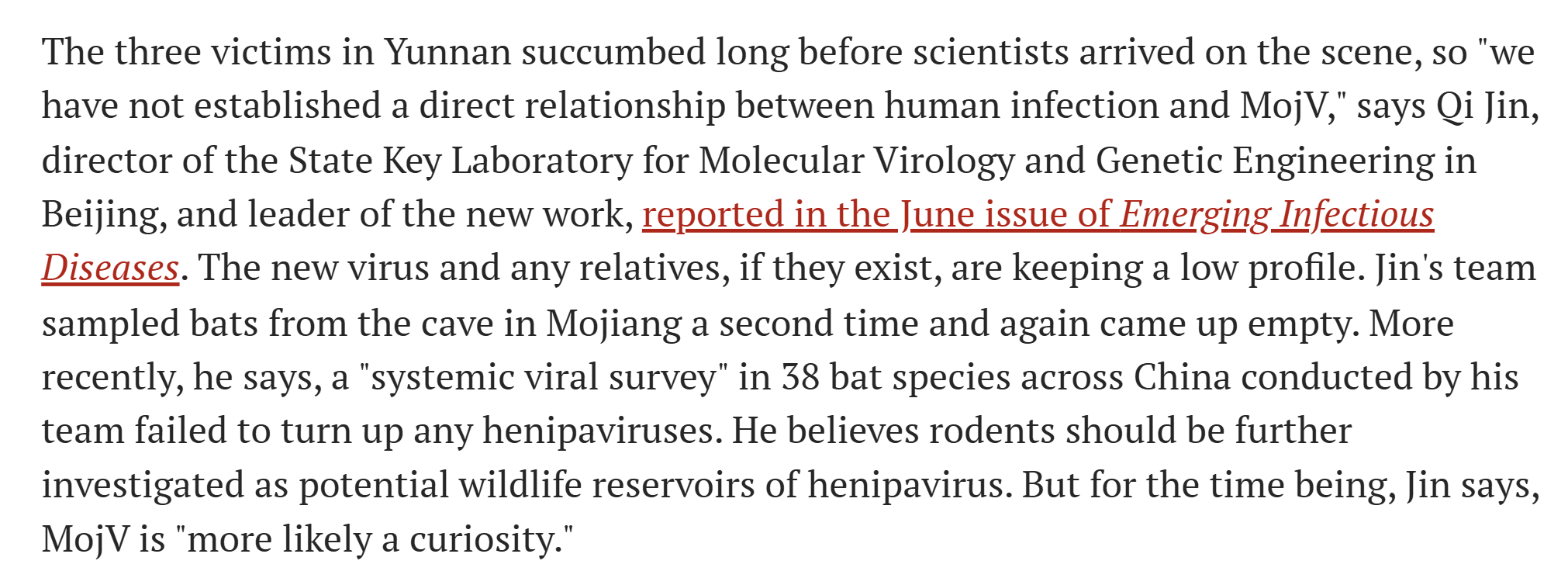
The article also quotes Linfa Wang - a long-term collaborator of Zhengli Shi, who is acknowledged for his help in Wang Ning’s thesis. He doesn’t mention the SARS serology either.
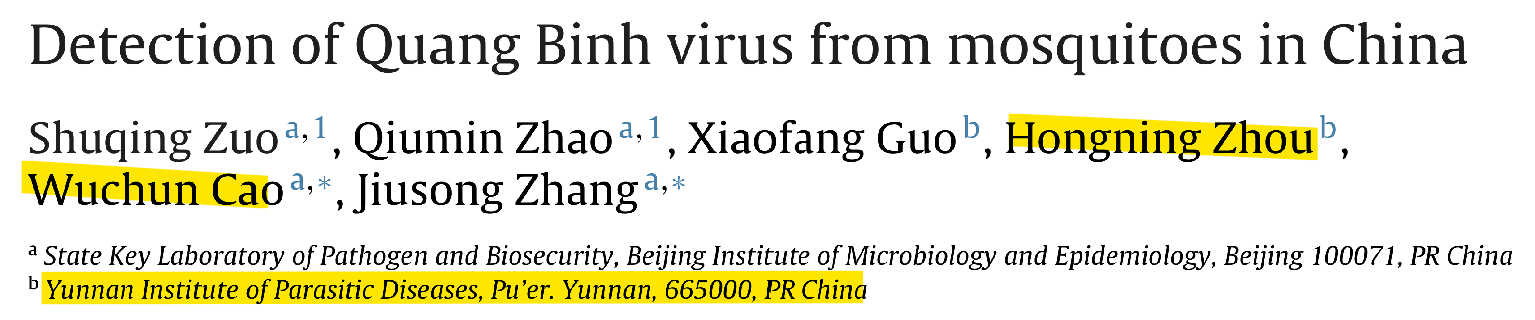
The IPB may not have even visited the mine themselves. Some of the co-authors are from Yunnan Institute of Parasitic Diseases, based in Pu’er the capital of Mojiang county. It’s quite likely they collected the samples alone, and sent them to Beijing for isolation and sequencing.

Interestingly the senior author from Pu’er - Hongning Zhou - had recently published a paper with Wuchun Cao.
In another co-incidence, at around the time MojV was announced, Zhengli Shi was credited on a paper about the discovery of novel paramyxoviruses in bats in Yunnan. The study was funded by PREDICT, samples were collected by the WIV/EcoHealth team in 2011-12.
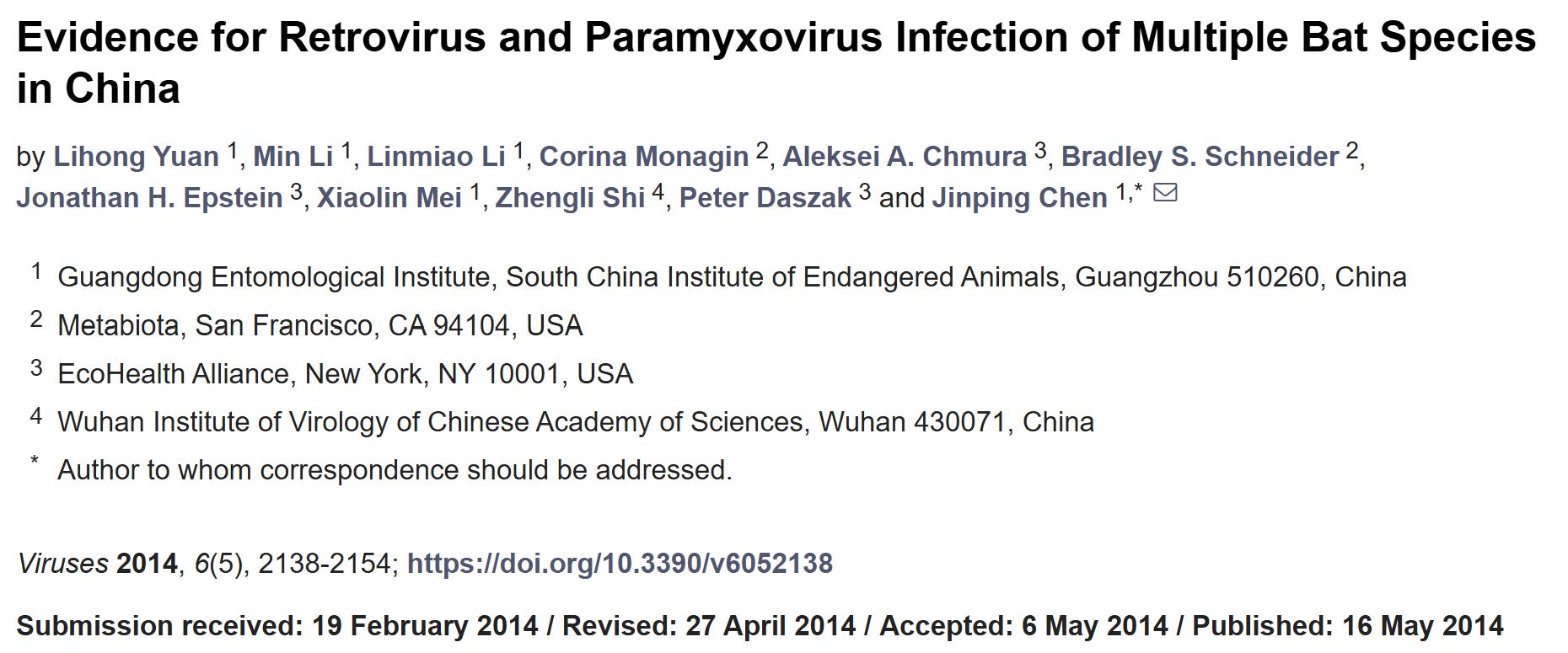
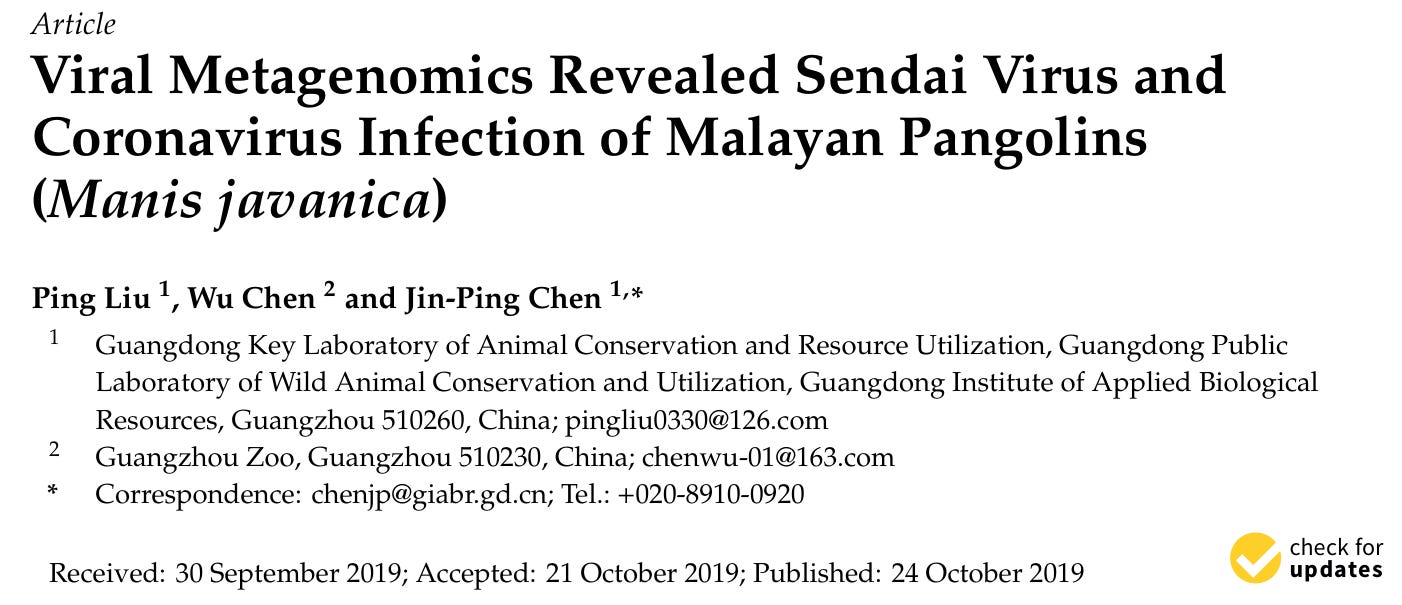
It’s a small world! The senior author of this paper, Jinping Chen, would later write the paper which first identified a pangolin coronavirus in September 2019. This pangolin coronavirus contributes the RBD that, when recombined with RaTG13 results in something extremely similar to the spike of SARS-CoV-2.
Li Xu’s thesis attests that the miners’ clinical samples were sent to the PLA military CDC in Chengdu, Sichuan - not to the Yunnan provincial CDC or George Gao’s China CDC. It’s unclear why - the First Affiliated Hospital of Kunming isn’t a PLA hospital, the miners aren’t soldiers (or were they?), Chengdu isn’t even in the same province. Wuchun Cao conceivably got word of it via military channels. It was only after the IPB paper and Science article were published that China CDC went to Yunnan to sample the mine - by then over two years after the incident. Perhaps they only found out due to the Science article? This is out of step with China’s claims to have been setting up a surveillance and rapid response network - precipitated by SARS.
The Drawn-out Discovery of RaTG13
The thesis of Wang Ning shows that the Nucleocapsid of Ra4991 had already been amplified by another (unnamed) researcher at WIV and Wang was able to use it in her serology work. It would be another 2+ years before a short RdRp fragment was published.
Francisco de Asis and Charles Small found that, according to the naming of files, the sequencing of the rest of the genome resumed in June 2017 starting with the full RdRp and ORF8. However, there was apparently a further 15-month delay before the Spike was sequenced in October 2018.

This is perhaps why the Ra4991 Spike is absent from the July 2018 upload of the ORF8, RdRp and Spike sequences of 55 viruses. But the lack of urgency isn’t consistent with the virus being suspected of causing a fatal SARS-like illness. If WIV was able to sequence 55 novel Spikes in such a short time, why not Ra4991?
Oh, what a tangled web we weave…
What to make of it all?
My favored theory is that the “Myth of the Mojiang Miners” was concocted by Zhengli Shi, Wuchun Cao, and various accomplices. It was meant to provide a precedent for the zoonosis of a SARS-like virus directly from bats to humans. It was primarily to boost WIV’s claims to have discovered hACE2-binding viruses in Yunnan in 2011-12, and explain how they’d come to discover them. As I’ve been ranting at anyone who’ll listen, these viruses (WIV1/Rs3367/RsSHC014) aren’t natural!
They later tried to walk the story back, while few had heard of it. Perhaps they realized it sounded implausible, and would incriminate them if anyone ever properly investigated it. So they changed the location of their hACE2-binding “discoveries-to-be” from remote Mojiang, to a cave near Kunming. Interestingly some discoveries were “transferred” the other way. Adenoviruses WIV17/WIV18, a student thesis said were from the Kunming caves, but were linked to Mojiang in a paper published later. I guess they had to explain their ongoing interest in the mine somehow.
George Gao’s intervention was likely unwanted. He would have demanded answers on the SARS serology. WIV responded by publishing the RdRp of Ra4991 - which they claimed was too distant to have caused SARS. But they’d already determined the Ra4991 Nucleocapsid reacted with SARS-patient sera. They then announced serology testing of villagers living near the Kunming cave showed that some were seropositive against Rp3 N- despite none reporting having had SARS-like symptoms. They could explain to Gao that the miners may have been exposed to a harmless bat coronavirus which led to false positive serology, but not their illness.
Buried in batshit
The Kunming cave was the focus of the SARS-1 origin investigation, and Mojiang was forgotten, but interest returned in 2020 due to the uncanny coincidence RaTG13 came from the same cave. I agree it’s no coincidence, but that doesn’t mean the miners’ story is true. It looks like another error of judgement from Zhengli Shi’s, trapped caught in a web of lies of her own making. It wasn’t easy to keep the story straight under far more intense scrutiny than she was used to from Daszak et al.
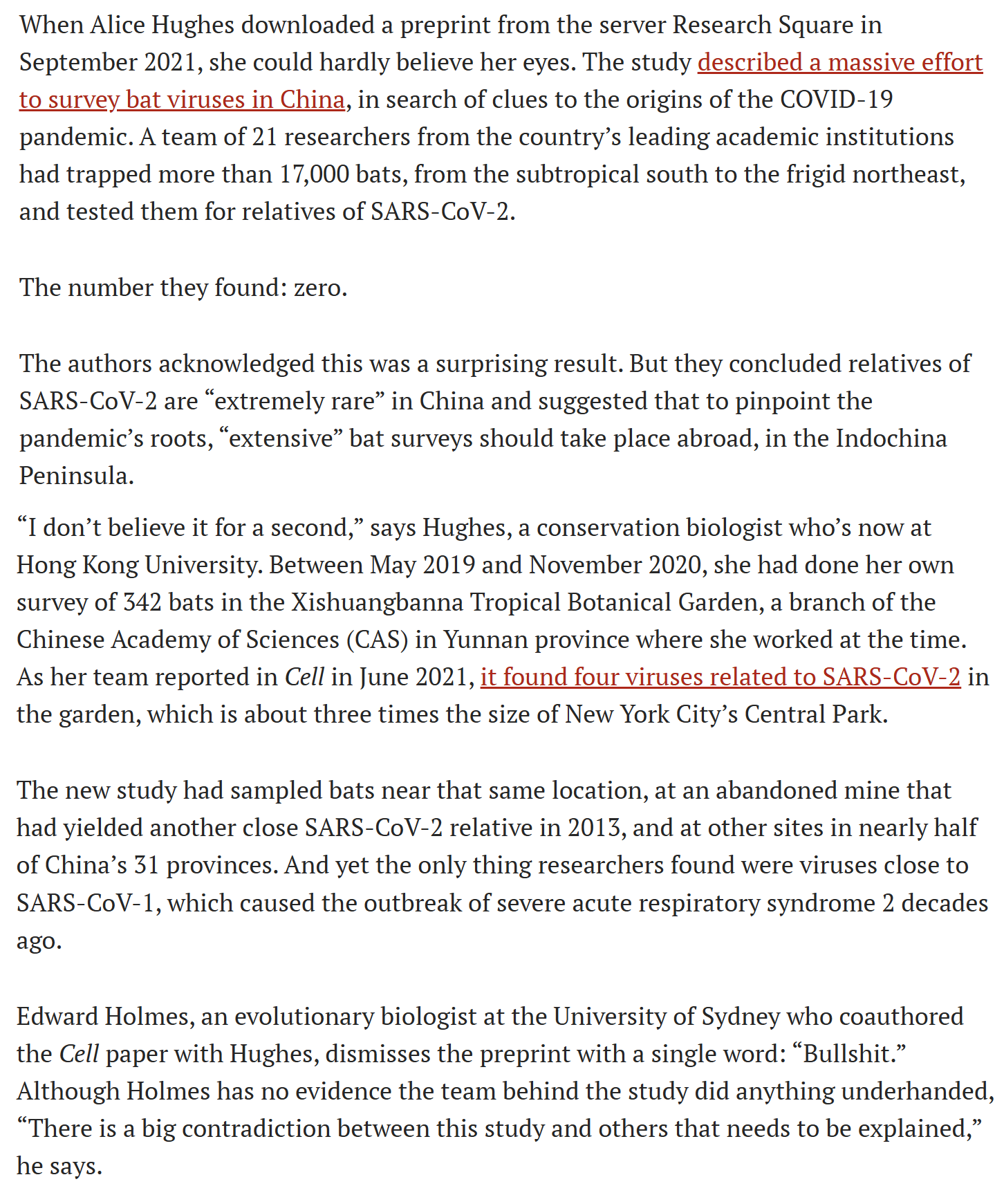
IPB claim to have returned to the Mojiang Mine in 2020-21 and found no trace of RaTG13. They went further in claiming that no SARS-CoV-2 related bat viruses remained anywhere in China. This was too much even for the western collaborators. Eddie Holmes called it “Bullshit”. It’s unfortunate that Eddie didn’t develop his nose for bullshit sooner. There’s an enormous pile that’s been building since 2003. Scientists are selective about which evidence they believe, and which they don’t - depending on if it confirms their priors, or earns them a Nature paper. Everything emanating from China should be considered bullshit by default.
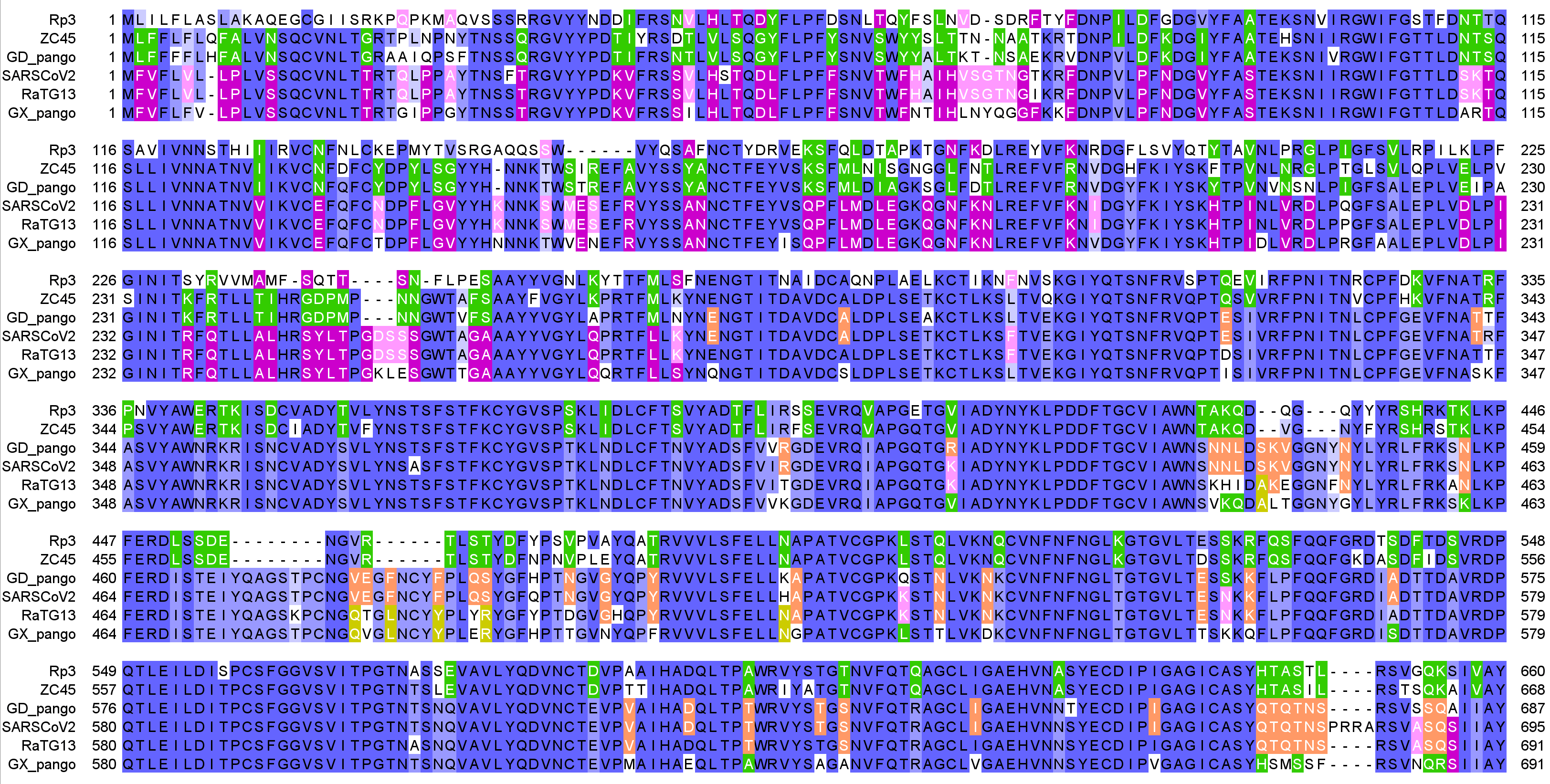
I’m reposting the alignment that shows the relationship between the earliest known SARS-CoV-2 related viruses. RaTG13 is closely related to the GX pangolin coronavirus “discovered” by the PLA’s Yigang Tong. In the NTD the GD pangolin coronavirus first identified by Jinping Chen (N.B. not from raw samples, but metagenomic data given to him by mysterious PLA-associated helpers) closely resembles another coronavirus recently “discovered” by the PLA - ZC45.
Thanks to “The Seeker” and Jonathon Latham of Bioscience Resource Project for obtaining and translating the theses, and for interesting discussions. New insights and opinions always welcome, please leave a comment.