Not a week goes by without some fresh scandal coming to light in lab-leak land: Baric declined to deny his involvement (worried that Menachery would be blamed instead); Fauci asked someone to delete an email (a decade ago); NIH staff used personal email accounts to evade FOIA; Fauci steered the intelligence community towards the “Proximal Origins” authors. There are indeed ethical failures, duplicity, and hypocrisy — and yes, it is a cover-up. But a cover-up of what? What has been exposed are minor misjudgments, misappropriations and lapses of oversight. When caught out, reputation management ensued rather than mea culpas. But this isn’t the coordinated silence you’d expect from conspirators who knowingly unleashed a pandemic that claimed 20 million lives.
Even in the West, the CCP’s fingerprints are everywhere. $120 million was offered to Harvard Medical School to fund joint US-Sino studies — contingent on Fauci agreeing to speak with his Chinese counterparts. Edward Holmes was contacted by former colleague Tommy Lam, now collaborating with the AMMS, to win him round on the pangolin theory. The Chinese ambassador paid a visit to Institut Pasteur’s headquarters in Paris to discuss strengthening co-operation. CCP influence in the West is insidious and opaque: it embeds itself in and funds prestigious universities, scientific institutions, newspapers of record, think-tanks and lobbyists. It knows better than to approach individuals with bags of cash.
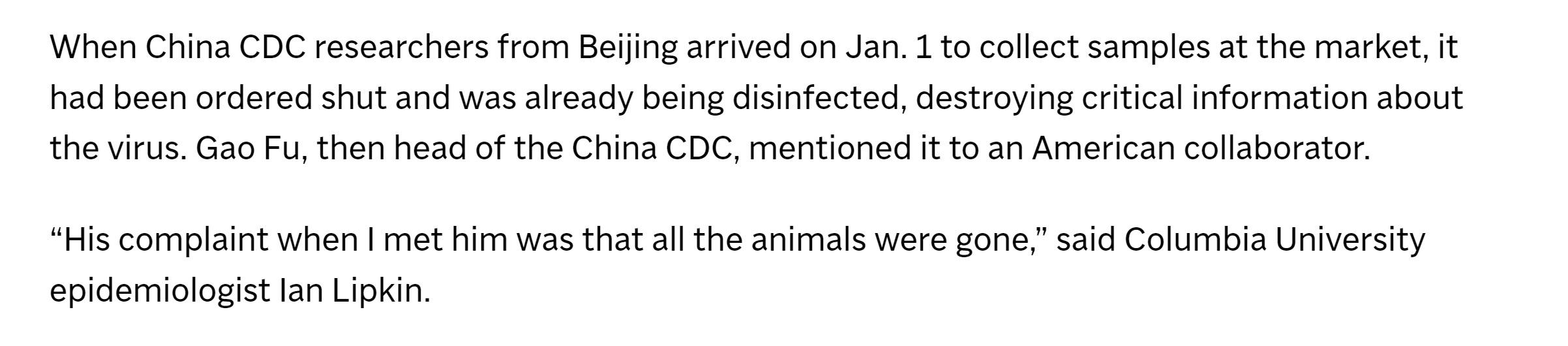
Contrast this with the cover-up in China. Independent scientists are strictly forbidden from researching or discussing Covid origins without state authorization. Foreign experts are denied entry and access to data. Scientists with inside knowledge — Shi Zhengli, for instance — have not been permitted to leave the country since. The military commandeered the Wuhan lab to intimidate staff. A young WIV scientist, Huang Yanling, vanished and never resurfaced. Whistleblower Dr. Li-Meng Yan, who first exposed human-to-human transmission and links to the PLA, escaped to the United States but still endures harassment and attempts to blackmail her into returning to China. A deeply implicated PLA scientist, Zhou Yusen, reportedly fell — or was pushed — to his death from a roof. The Huanan market was scrubbed clean before samples could be collected. Commercial sequencing labs were forbidden from releasing results. Citizen journalists were jailed and tortured. Data was suppressed, deleted, fabricated. Wuhan healthcare workers were interrogated and threatened. And some were murdered.
That’s right, murdered. They did not — as credulous media parrot each year on the anniversary of Li Wenliang’s death — “die of Covid.” Our media are complicit in the cover-up. Whether this willful blindness stems from intellectual laziness, groupthink, cowardice or outright corruption, the same falsehood is regurgitated annually, rather than the brutality of China’s regime being exposed.
It may not have been clear in February 2020, but by now it should be obvious that healthy 34-year-olds simply don’t drop dead of Covid. The IFR at that age is approximately 0.01%, and those rare fatalities almost always have severe comorbidities. Nor was Li Wenliang even the youngest to have died, or Wuhan Central the only hospital affected. A particularly grim week saw critical care intern Peng Yinhua of Jiangxia People’s Hospital died on February 20th, aged just 29. Xia Sisi, a gastroenterologist at Union Jiangbei Hospital, died three days later, also aged 29. That same day, two more doctors “died of Covid,” elsewhere in Hubei aged 42 and 55.
Is it a coincidence that a WHO delegation led by Bruce Aylward was visiting China at the time? And that Italy was discovering the virus had been spreading silently in the community? On February 23rd, Italy announced quarantine “Red Zones,” a step towards full lockdown. On February 24th, Aylward took the podium to praise China’s ruthless containment strategy.
Although Covid severely strained Wuhan’s healthcare workers, and many contracted the disease, even official statistics don’t suggest the early lineage was exceptionally virulent — especially once suspicious anomalies are removed. Globally, healthcare workers have a somewhat lower CFR than the general population, reflecting a slightly younger workforce rather than specific precautions. Controlling for age and incidence, fatality rates are broadly similar to those in the general population, with risk heavily skewed toward the elderly. In a sad irony, Li infected both his elderly parents — but they made a full recovery.
Of the six doctors to die at Li Wenliang’s Wuhan Central Hospital, none were front-line emergency department, ICU, or respiratory specialists. Remarkably, no nurses died. Three of the victims, including Li, were ophthalmologists. A fourth, the director of thyroid surgery, was also the hospital’s CCP branch secretary — responsible for keeping party members in line and handling disciplinary matters (Li Wenliang was a party member). A fifth, Dr. Liu Li, 45, was an administrator on the hospital’s ethics committee. Did she perhaps notice something unethical?
All of the victims endured drawn-out hospitalizations — above the 95th centile in duration. Some were hospitalized for months. The most prolonged and inexplicable case was the sixth to die from Wuhan Central: Dr. Hu Weifeng, a 42-year-old urologist, was hospitalized for an extraordinary four months before finally succumbing. He was treated alongside Dr. Yi Fan, a 42-year-old cardiologist from the same hospital. The two were transferred to Tongji Hospital on the outskirts of Wuhan, where they were placed under the care of a medical team dispatched from Beijing. During their treatment, their skin inexplicably turned black.
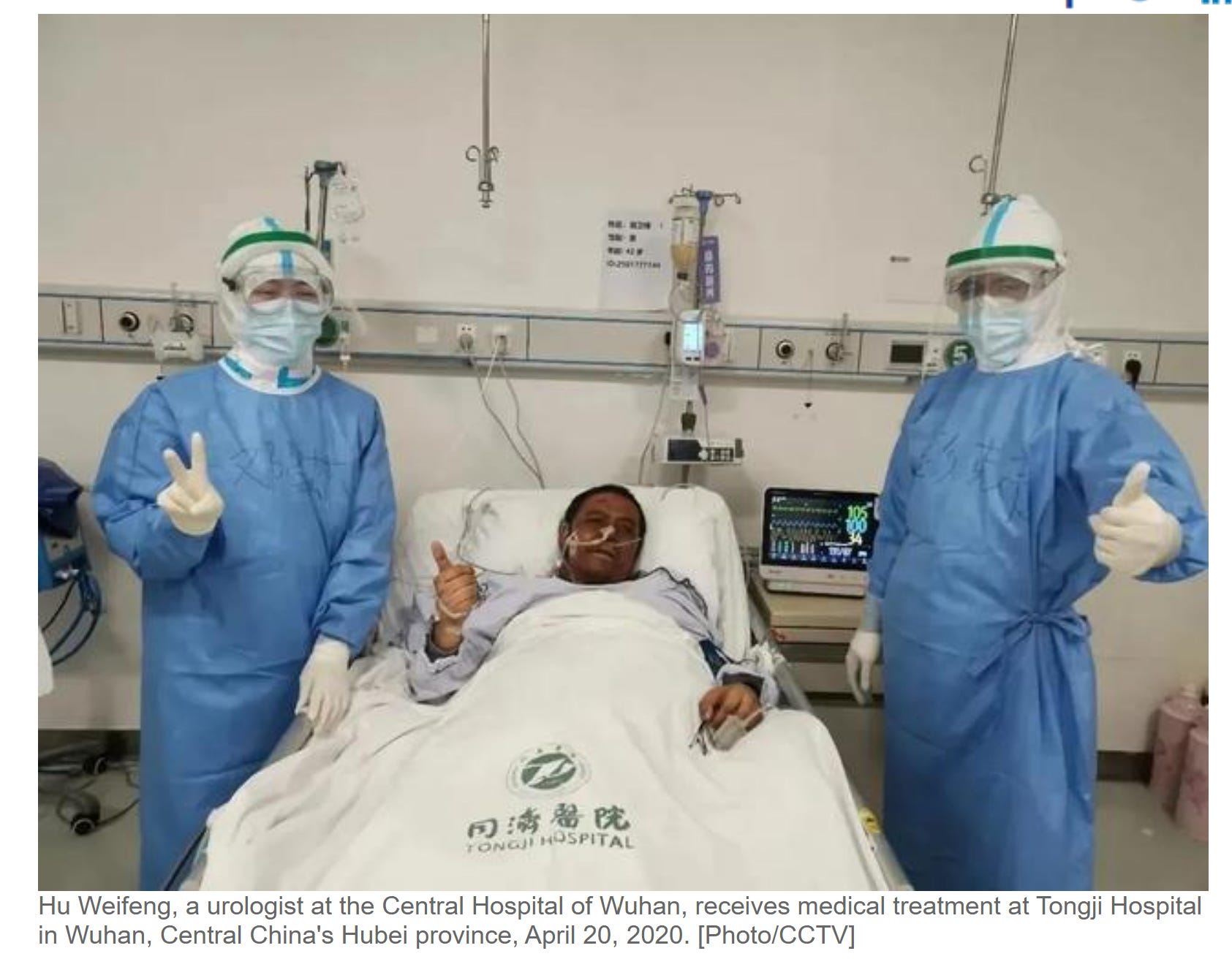
While Yi Fan apparently recovered and was discharged, Hu Weifeng died on June 2nd, after suffering two cerebral hemorrhages — in April and May — that left him comatose until his death. Cerebral hemorrhages are not a symptom of Covid, nor a known side-effect of treatment for respiratory disease. Yet his case was widely reported as just another routine Covid death.
Another cluster of connected deaths was centered on Wuchang Hospital. On 14th February, Liu Fan, a nurse working at an outpatient clinic died “of Covid”. Just hours earlier, her brother Chang Kai, 55, had also died. He wasn’t a healthcare worker, but a documentary filmmaker who made films about Wuhan. In the previous two weeks both their parents had died of Covid.
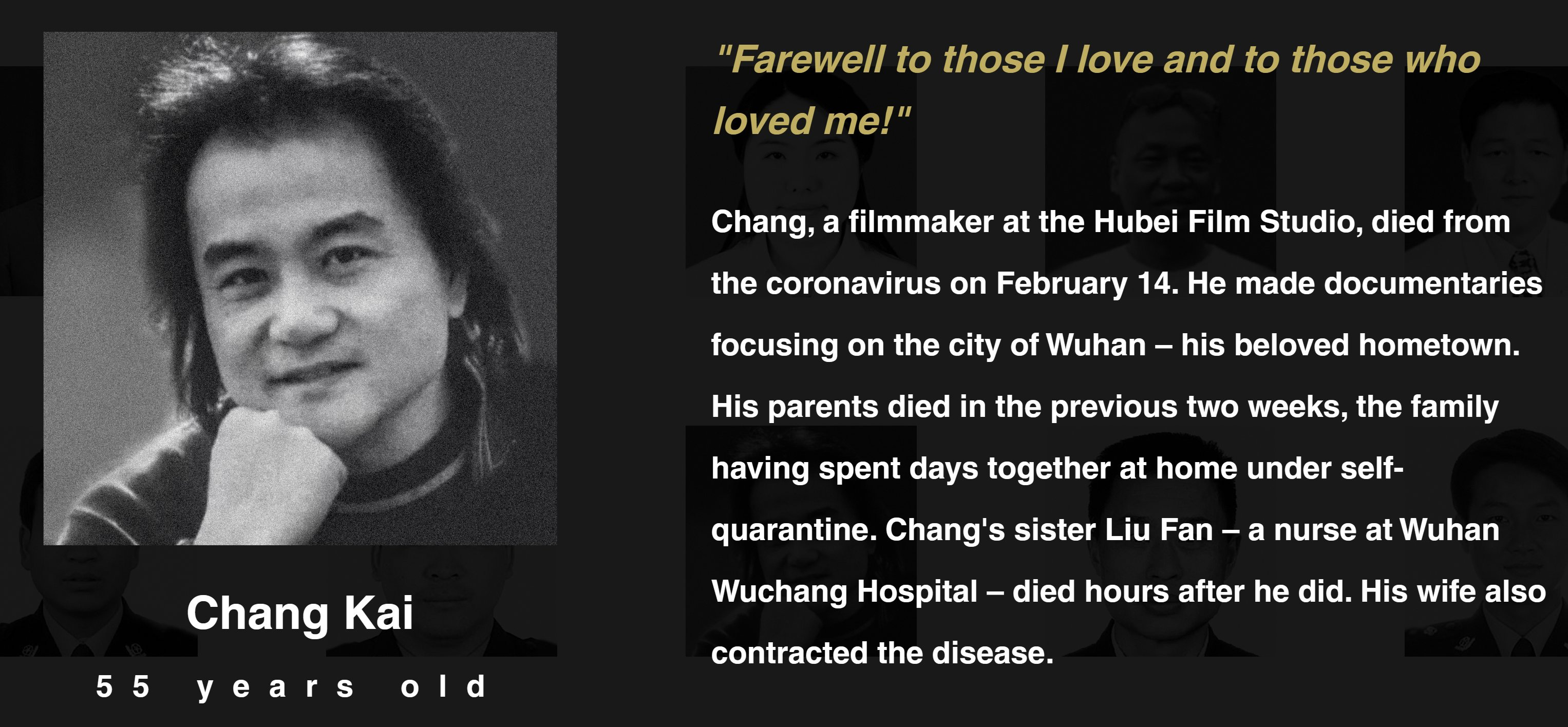
The final death in the Wuchang Hospital cluster was that of the hospital president, and Deputy Secretary of the CCP branch, Liu Zhiming, 51, who died on February 18th. Liu Zhiming was the only doctor from Wuchang Hospital to die, and Liu Fan the only nurse. It isn’t hard to construct a narrative from this curious pattern of deaths - unless you’re from the Western media.
Killing the Chicken to Frighten the Monkeys
The murder of doctors served a dual propaganda purpose: frightening those living under the regime into silence, while inflating international panic over the severity of the disease. Up until January 20th, 2020, China had denied human-to-human transmission and concealed case numbers, while portraying the virus's virulence realistically — it was rarely dangerous for the young. Throughout this initial period, no healthcare workers died. After the official admission that the virus spread between people, the propaganda messaging changed abruptly. The regime now needed to justify the brutal city-wide lockdown in Wuhan, which would soon be emulated all over the world.
The first doctor to die, Liang Wudong, appears to have been a genuine Covid fatality. He was 62 and had a history of heart arrhythmia and atrial fibrillation — a high-risk profile. He was in fact retired — not on the front line — but many news reports missed this.
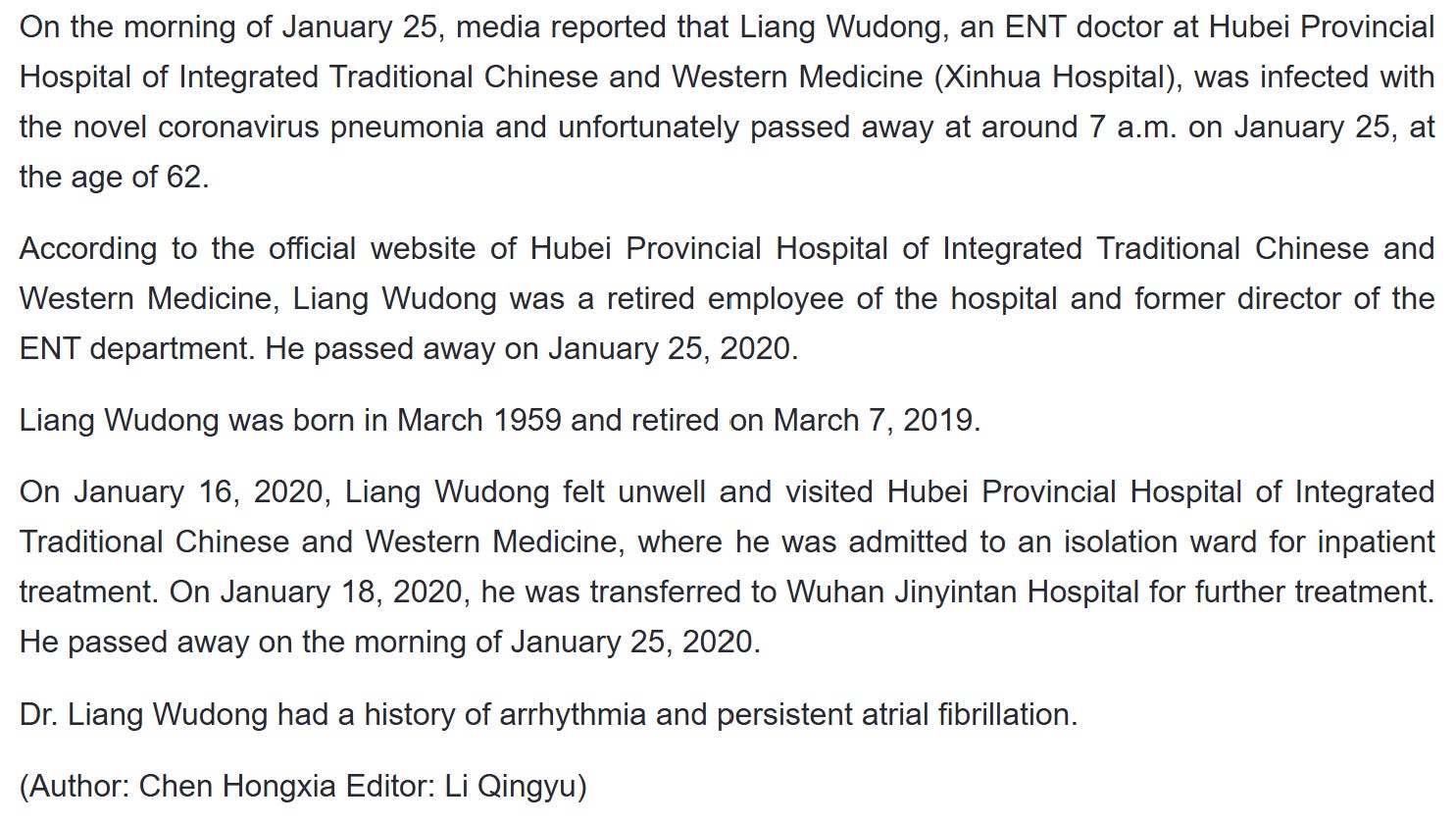
Instead, some focused on his background as an ENT specialist, falsely claiming he had been actively treating Covid patients. After the imposition of the lockdown, healthcare workers were depicted wearing heavy PPE, more suitable for Ebola than a mild respiratory illness.
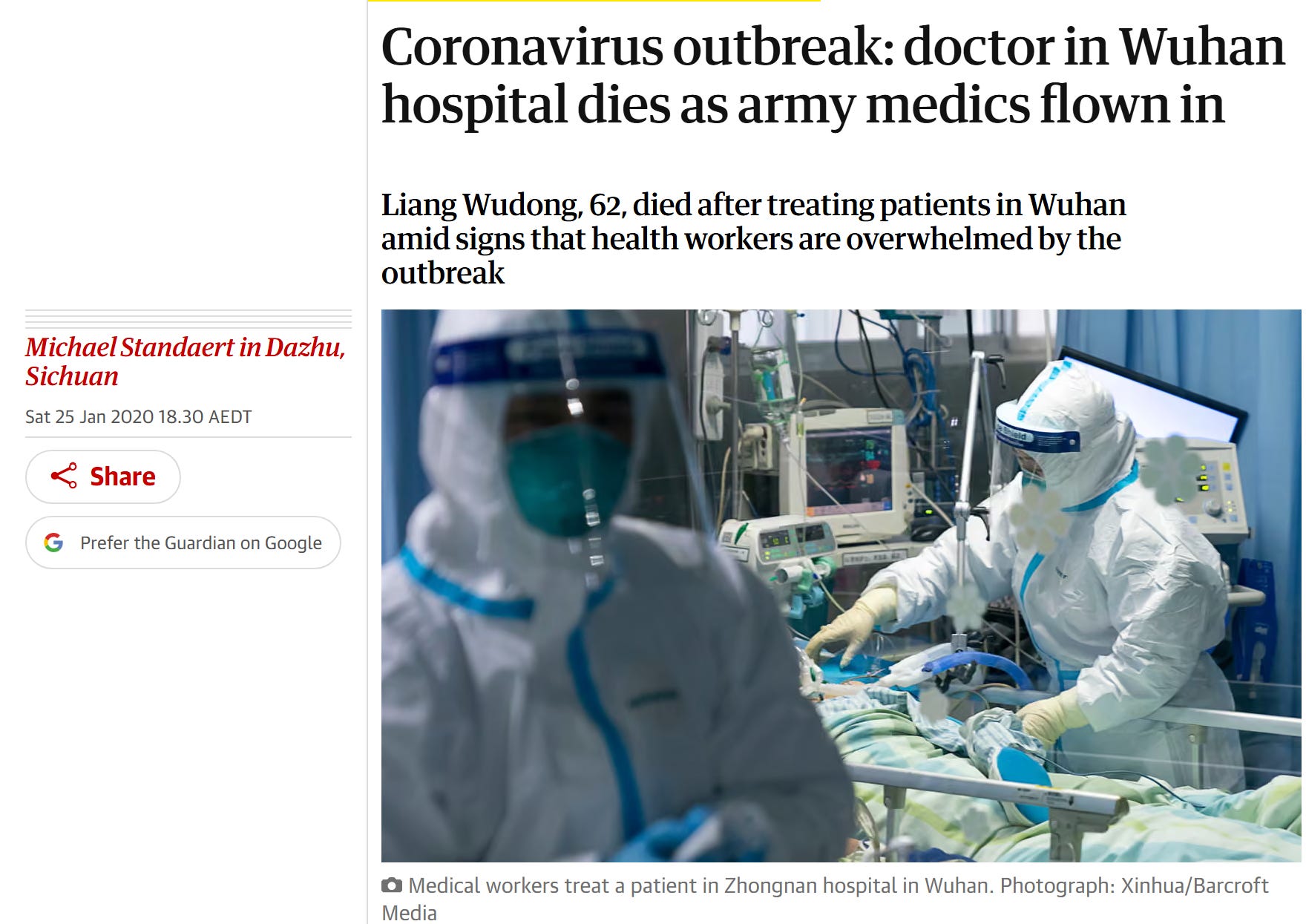
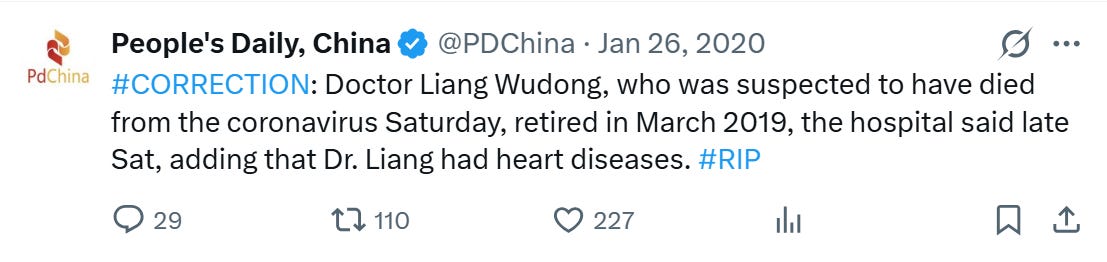
This time at least, People’s Daily issued a correction. The Guardian did not.
Someone must have recognized the emotional shock value such stories might have, and that Western media would lap them up and regurgitate them unquestioningly. Two weeks later, Li Wenliang became the first of Wuhan's "medical martyrs."
The Enforcer: Liang Wannian
The architect of China's cover-up was Liang Wannian, a zealous CCP cadre connected at the highest levels. Appointed head of the Covid response expert team at the National Health Commission, Liang reported directly to Politburo member and Vice Premier Sun Chunlan, who had been tasked by Xi Jinping with overseeing the response.
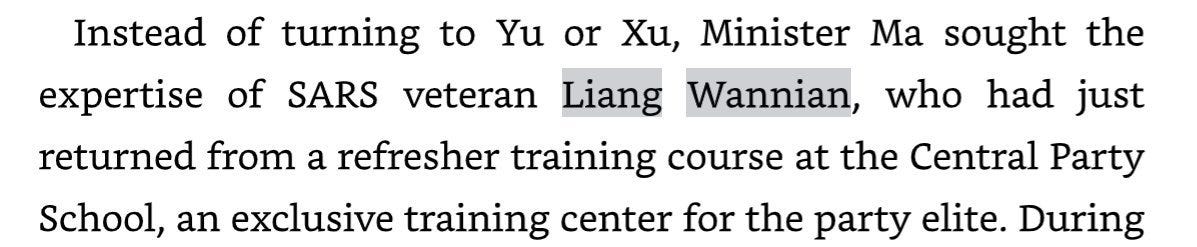
Liang Wannian travelled to Wuhan on December 31, 2019, convening a late-night meeting with municipal and provincial health officials, doctors, and scientists. Contrary to media reports, it wasn't local Wuhan officials who claimed the disease was strictly zoonotic, denied human-to-human transmission, and argued the solution was simply to close and clean the market — it was Liang. He argued forcefully that shuttering the market was a low-risk gamble: if proven wrong, the decision could easily be reversed. Liang's position prevailed, framed as a consensus, but local officials and doctors retained grave fears that the disease would continue to spread unchecked and undetected in the community.
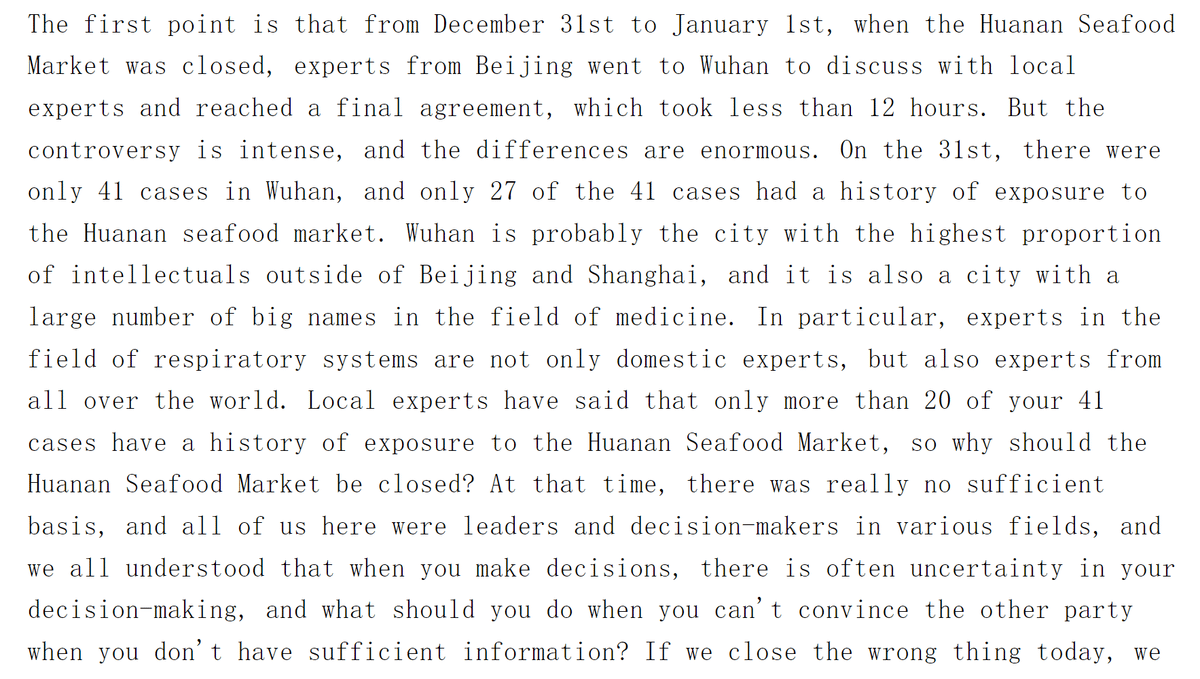
The diagnostic criteria were changed such that only those who'd had direct contact with the market would be classified as cases. The market was closed and cleaning commenced immediately, before CDC head George Gao had even arrived.
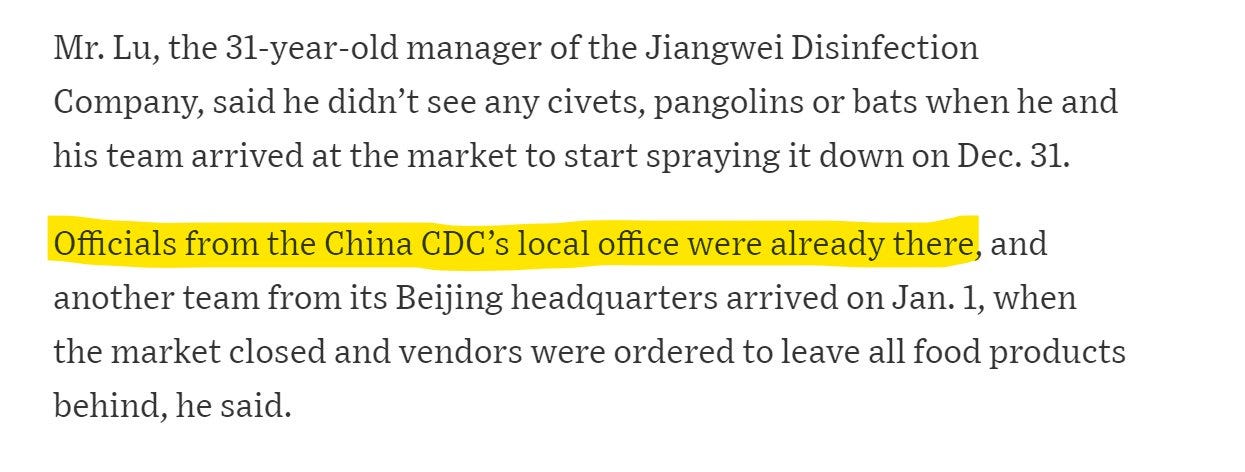
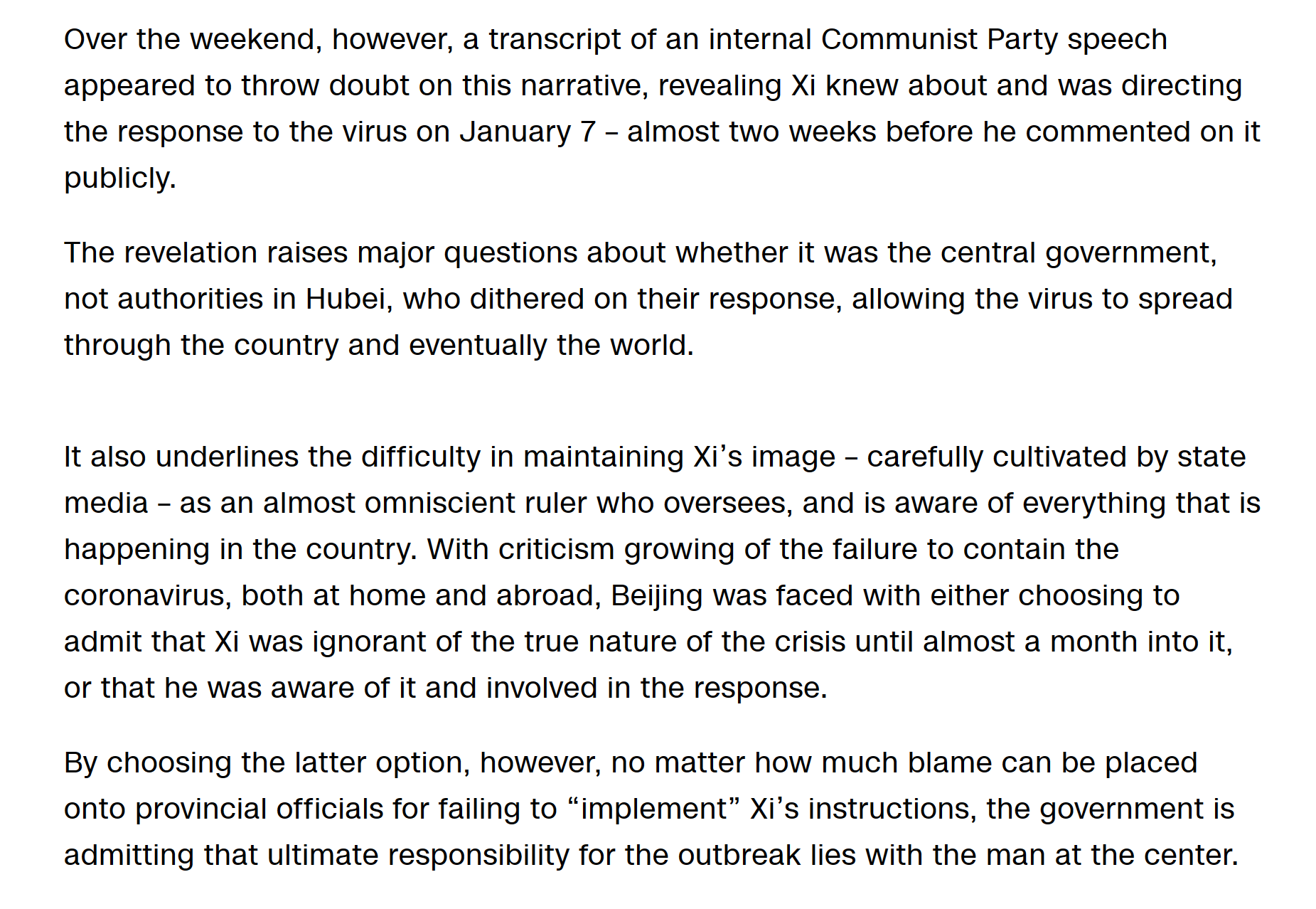
Beijing later sought to blame local bureaucrats for the catastrophic missteps that allowed the virus to spread. Xi Jinping personally castigated Wuhan officials for their “formalism and bureaucratism,” while warning cadres to obey all directives from the top.
“Those who do not obey the unified command and dispatch... those who dare to shirk responsibility and are derelict in their duties, must not only be investigated and held accountable, but key leaders must also be held accountable on the spot.”
This was a line Western media swallowed with remarkably little skepticism. Yet there was hard evidence that Xi Jinping himself had been steering the response from the very beginning. In an internal speech published by the Party journal Qiushi, Xi revealed he had personally issued directives on epidemic control during a Politburo Standing Committee meeting on January 7th — nearly two weeks before human-to-human transmission was publicly admitted. It is not plausible that rogue or incompetent municipal officials acted without guidance from Beijing.
The Trial and Execution of Li Wenliang
Li Wenliang had also been summoned to that fateful meeting at 1:30 a.m. but was made to wait outside until it adjourned.
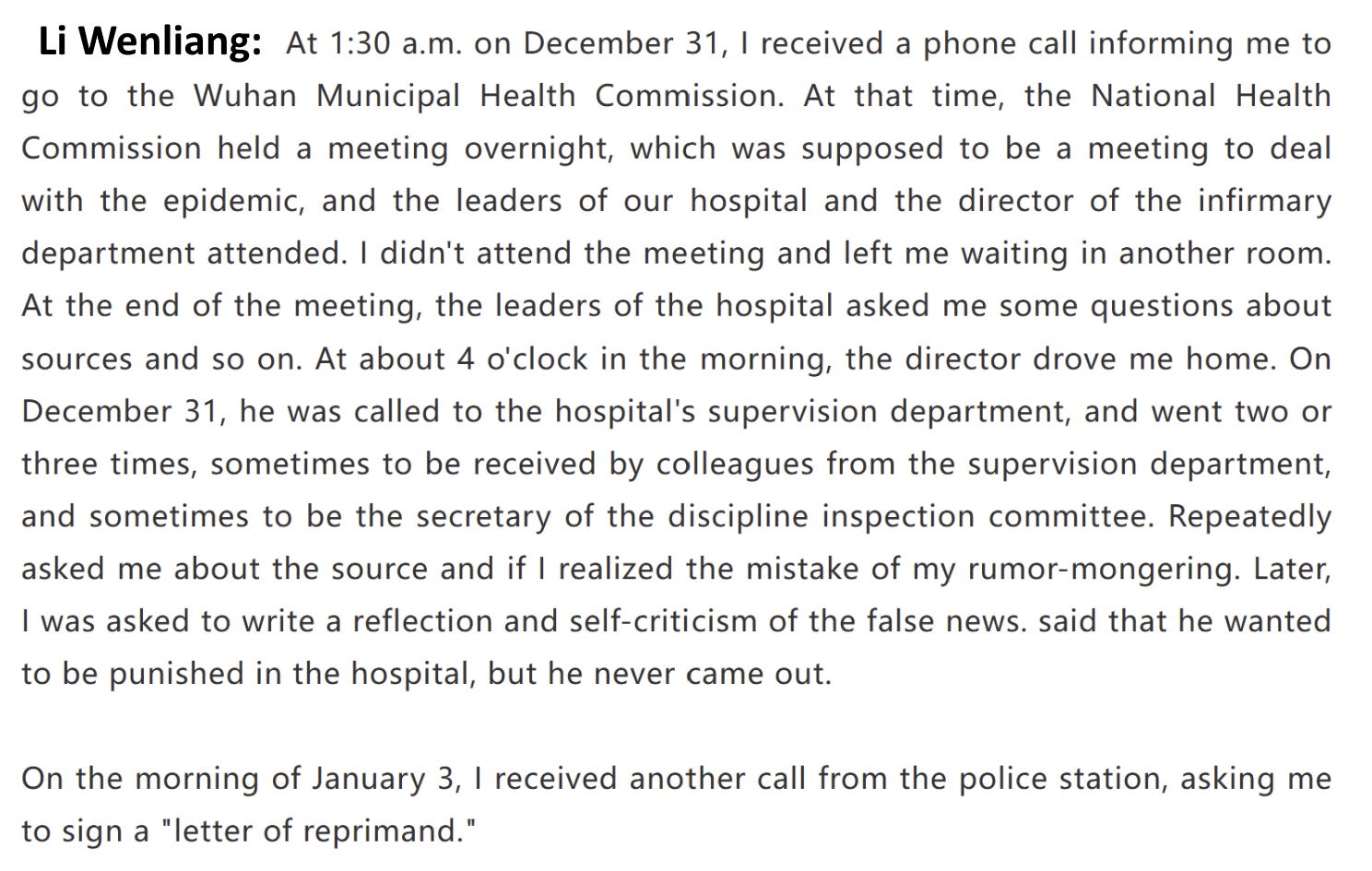
It was perhaps foolhardy for Li Wenliang to have given this interview, even though the government had by then acknowledged the disease was human transmissible. He had become a popular hero for speaking out. This is not something the CCP could tolerate.
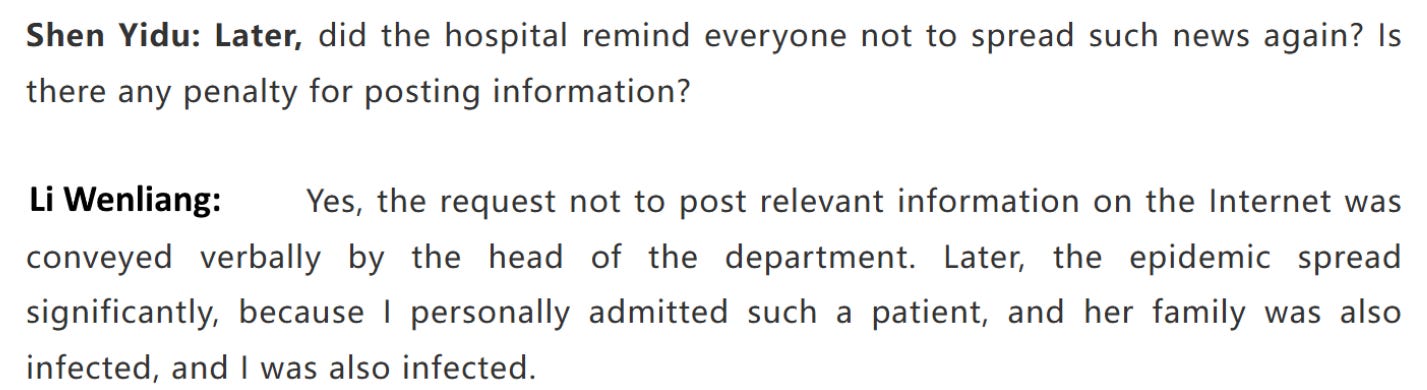
At the time he gave this interview, he appeared to have made a complete recovery. But he was about to have a sudden “relapse”, from which he would never recover.

The friend Li Wenliang reported this to has never been named, nor have the colleagues quoted. Perhaps they are the other two ophthalmologists who followed him to the grave? What is clear is that his treatment and clinical course were highly unusual. On the morning of the 6th, doctors wrote in his progress notes that his lungs were severely damaged and that he was at high risk of multiple organ failure — a diagnosis that should have warranted immediate intubation. It didn’t happen.
An anonymous classmate was cited in early reporting saying he had gone into cardiac arrest around 7:00 p.m., and that he “should have been put on ECMO much earlier.” Official media claimed the hospital had no ECMO machine of its own and had to borrow one from another hospital, and that a specialist medical team had to be dispatched from Beijing. This is contradicted by a doctor — also anonymous — interviewed by the New York Times, who claimed to have treated Li. The doctor said an ECMO machine was in the room but was never used, since Li was already clinically dead. His medical records for that day contain no mention of ECMO. But the following day’s entries, made after his death, were amended to say it had been used.
At 9:30 p.m., state media announced on social media that he had died. The announcement generated an outpouring of anger and grief among the millions of Chinese “netizens” monitoring his status, such that the censors couldn’t keep up. The death notices were deleted, and the hospital issued a correction, saying he was still alive but in critical condition. Other outlets reported he had died at 10:40 p.m. Those reports were deleted too. Only at 2:58 a.m., when most were sleeping, did the hospital formally announce he had died.
Perhaps it was her investigation of this macabre farce that put hospital ethicist Dr. Liu Li in a grave of her own. Hospitals in Wuhan have since restricted doctors’ access to Covid-19 patient records from the early days of the outbreak.
The Endorsers: WHO
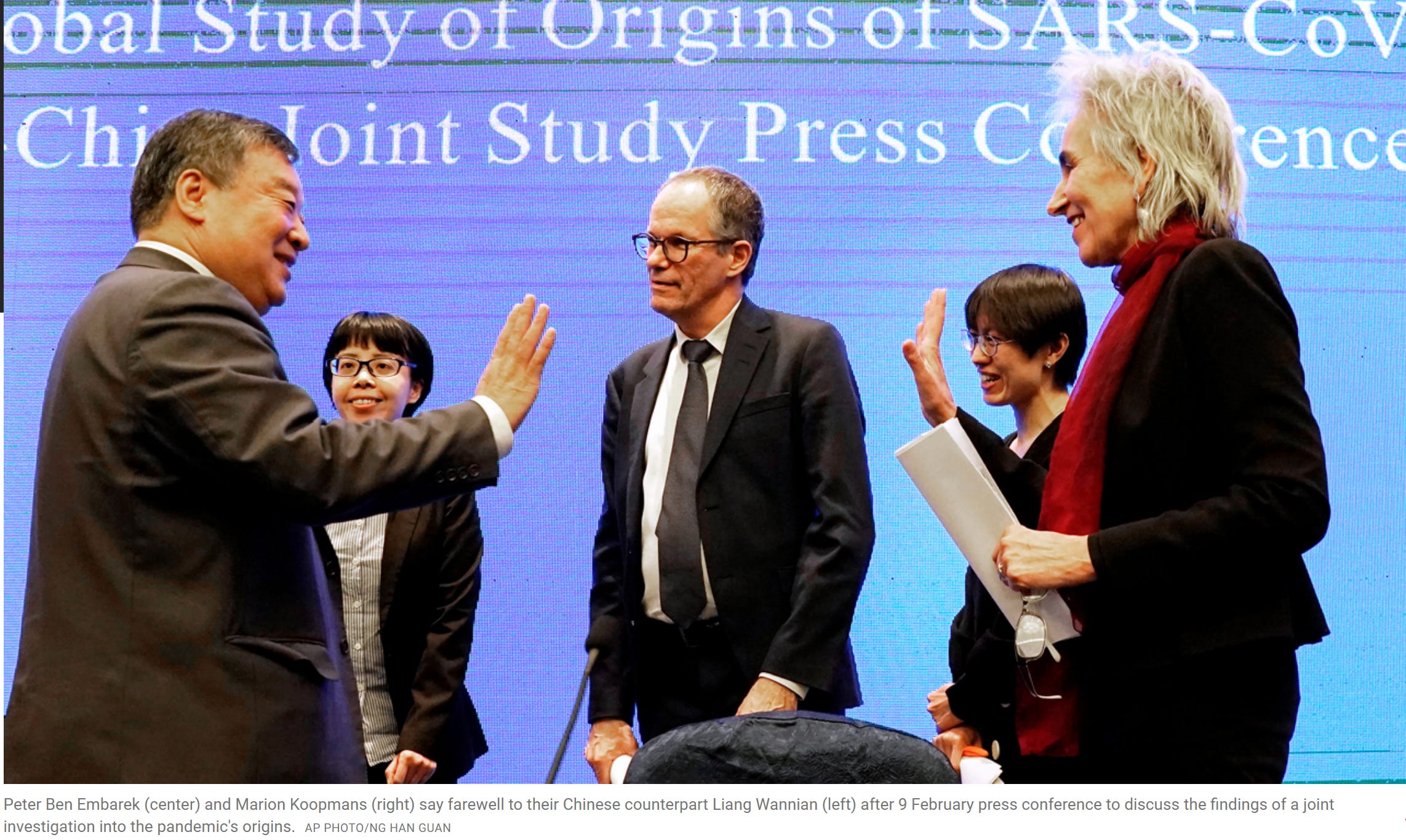
It was Liang Wannian who chaperoned Bruce Aylward and the first WHO delegation to China in February 2020.
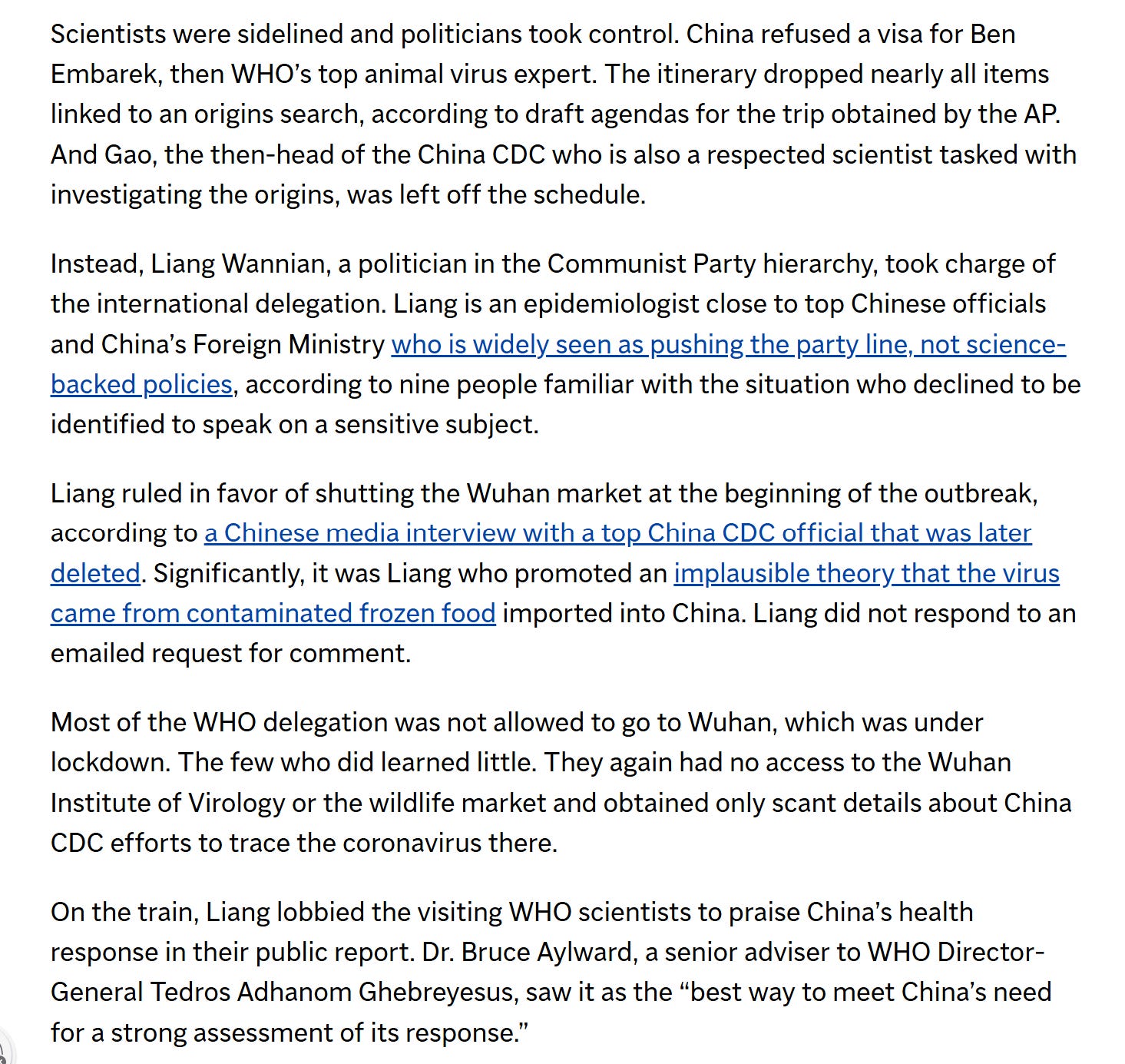
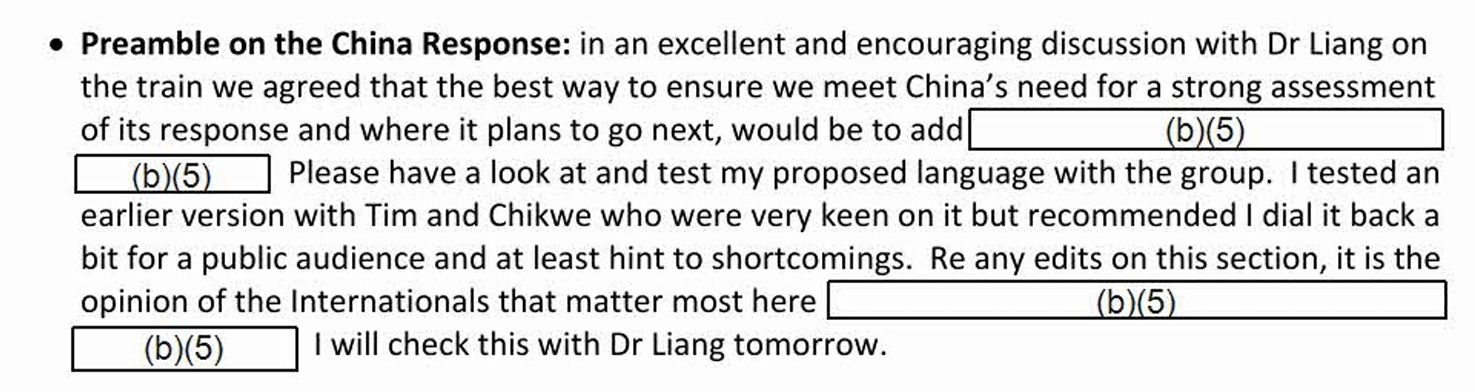
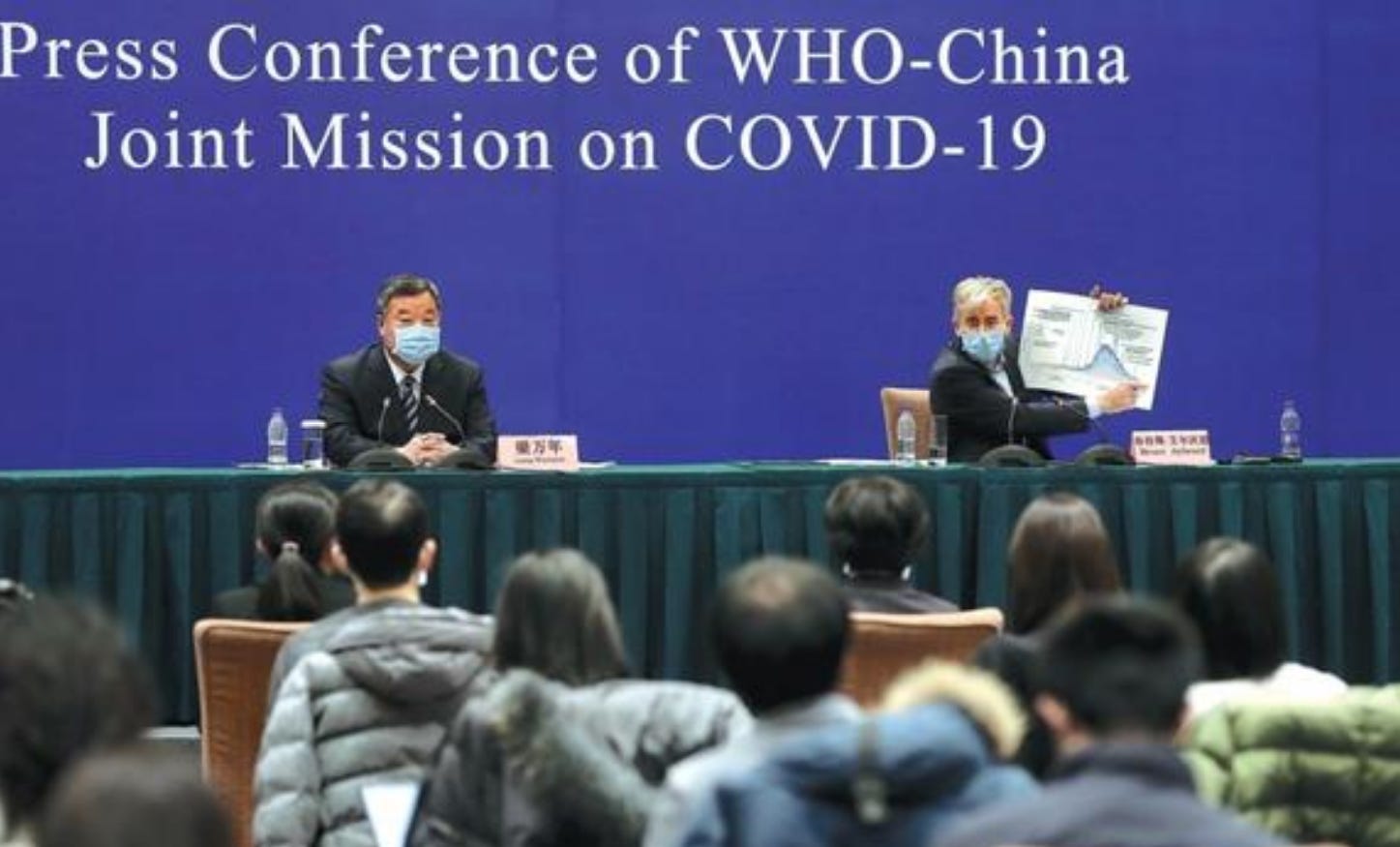
The WHO's endorsement of China's harsh measures had enormous influence on the pandemic response worldwide. Until then, Western health authorities had considered large-scale lockdowns politically unpalatable, ethically dubious, and scientifically unproven. But Italy was already on the way to implementing them.
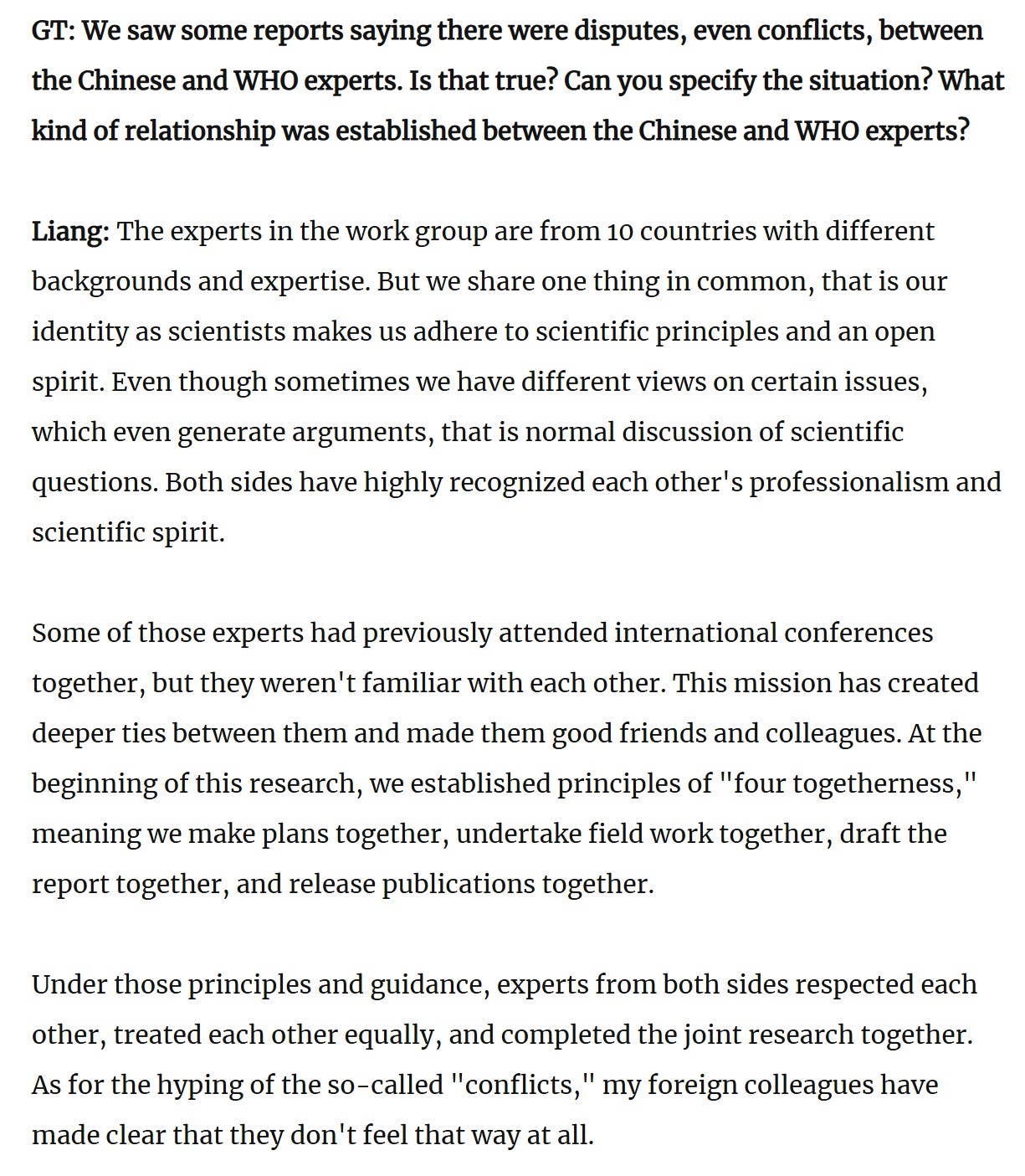
A year later, Liang Wannian hosted the WHO delegation of international scientists investigating the origins. By this time, China was aggressively pushing the narrative that the virus had originated abroad and arrived via the frozen food chain.
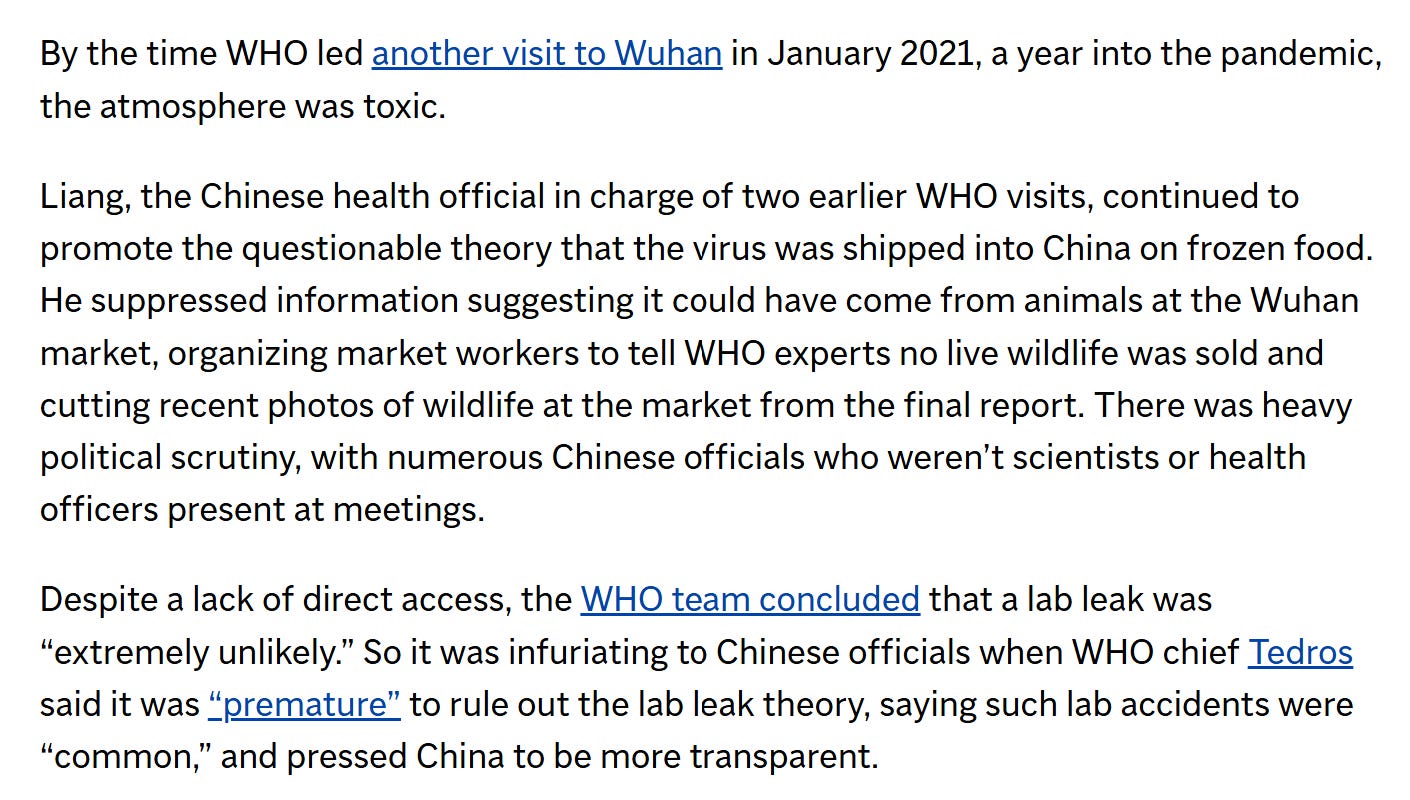
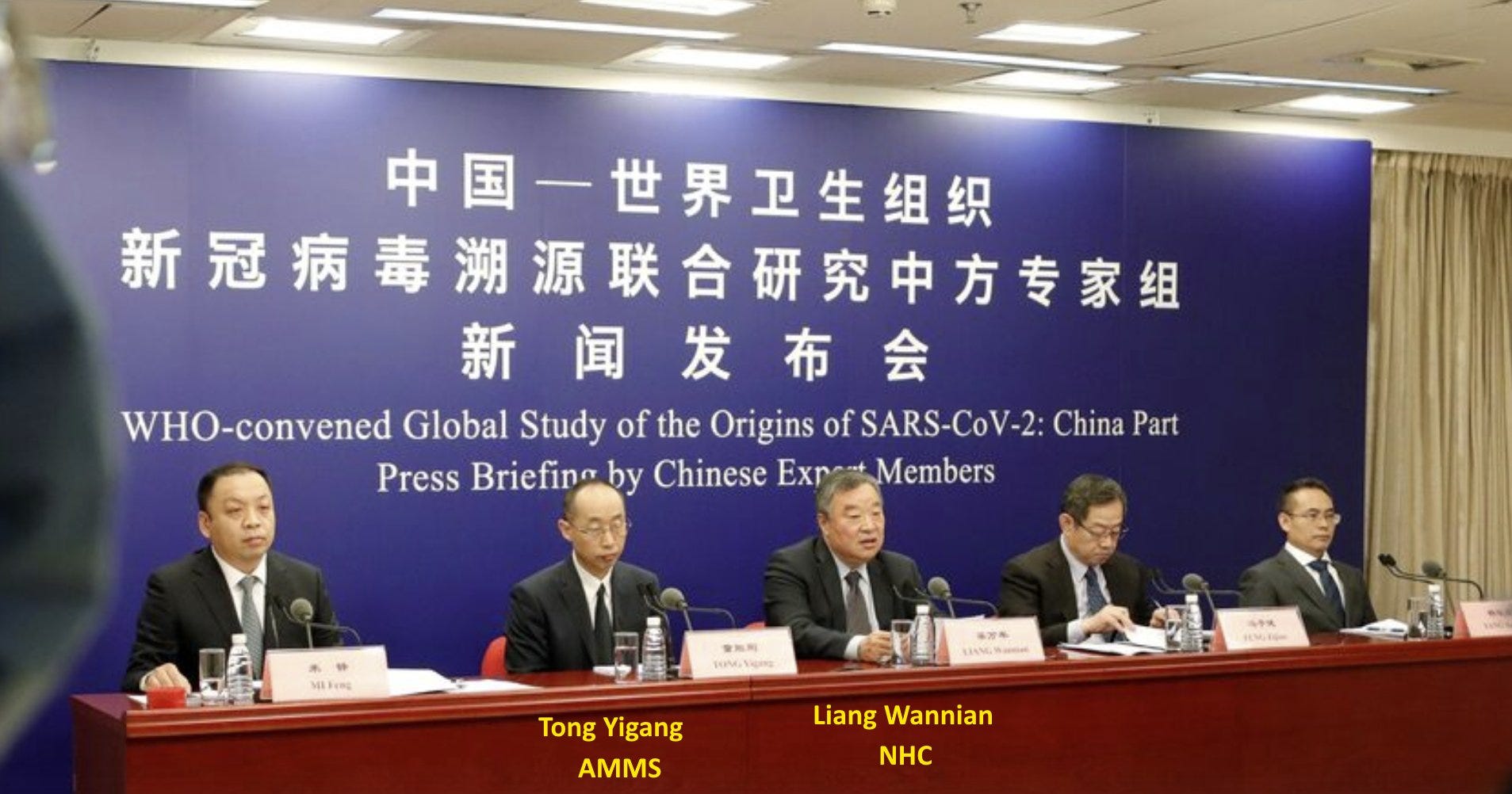
The WHO contingent seemed acutely aware that their Chinese counterparts were unable to speak or share data freely. And they were never left unattended — shadowing the talks were dozens of handlers from “other sectors”.
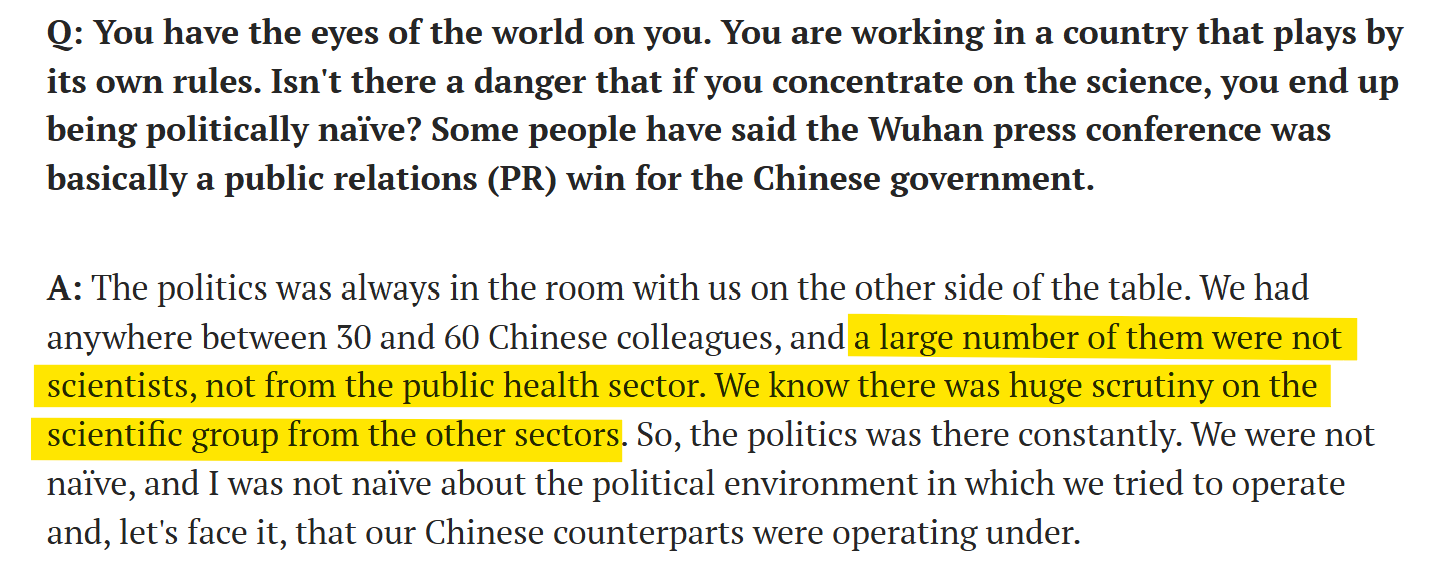
This cover-up was executed with a brutality that Western scientists, institutions, and media seem unable to comprehend. Instead, they deny reality and cling to official explanations, no matter how implausible. The measures China's regime resorts to are extreme because they have to be. It’s not driven by embarrassment over the wildlife trade, the sanitary conditions at wet markets, or even the lab escape of a field-collected bat virus. They're concealing an offensive bioweapons program, in violation of international treaties, engineering weapons of terror targeting all of us. Exposure would have cost more than friends abroad — it could have threatened their rule at home. A historic opportunity to end a tyrannical and menacing regime may have been missed.
Pandering to CCP "sensitivities" in the vain hope of securing access to data has proven worse than useless. Chinese scientists work under the perpetual threat of arrest, imprisonment, or death. Western scientists must recognize the situation for what it is and reject data and papers that have been filtered through censors, if not fabricated entirely. And they should never collaborate with Chinese scientists while a gun is held to their heads. There is no hope of learning the truth from people who aren't free to speak it.
Lab-leakers should consider which system has been more open and transparent. Is it perhaps only the "streetlight effect" which keeps us fixated on Baric, Fauci, et al.? We scrutinize their records because we can: we're able to pore over FOIA emails, read interview transcripts, and review documents subpoenaed by congressional inquiries. We have almost nothing comparable from China. And, despite the early attempts at narrative control and censorship, we can debate all of it openly, without fear of imprisonment or death. It's true that our system and institutions functioned far from flawlessly. But even a flawed democracy is still vastly preferable to the alternative.