

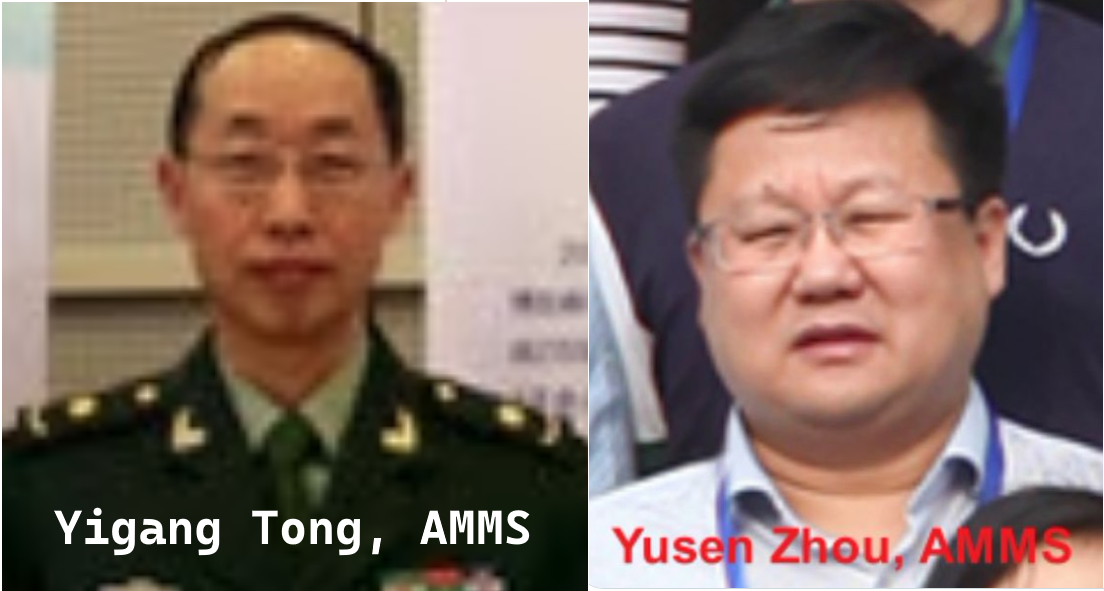
Most readers will be familiar with Yusen Zhou, the PLA scientist who died in May 2020. The manner of his death - it was rumored he fell (or was pushed) off a roof - and the fact he had patented a SARS-CoV-2 vaccine with remarkable speed, has led to justified speculation about his role in its origin. Zhou and his US-based wife, Lanying Du, have been involved in several important papers on the proteolytic cleavage and receptor binding of the highly pathogenic human coronaviruses SARS and MERS.
Tong Yi-gang is not quite so widely known. His group, also based at the AMMS Beijing Institute for Microbiology and Epidemiology, was also able to quickly propose therapeutics for SARS-CoV-2. They claim to have isolated a pangolin coronavirus (GX PCoV) in 2017 from pangolins seized from smugglers in Guanxi. In early 2020, Tong claimed it to be useful as a model for developing therapeutics for SARS-CoV-2 - thanks to its high similarity, but inability to infect humans.
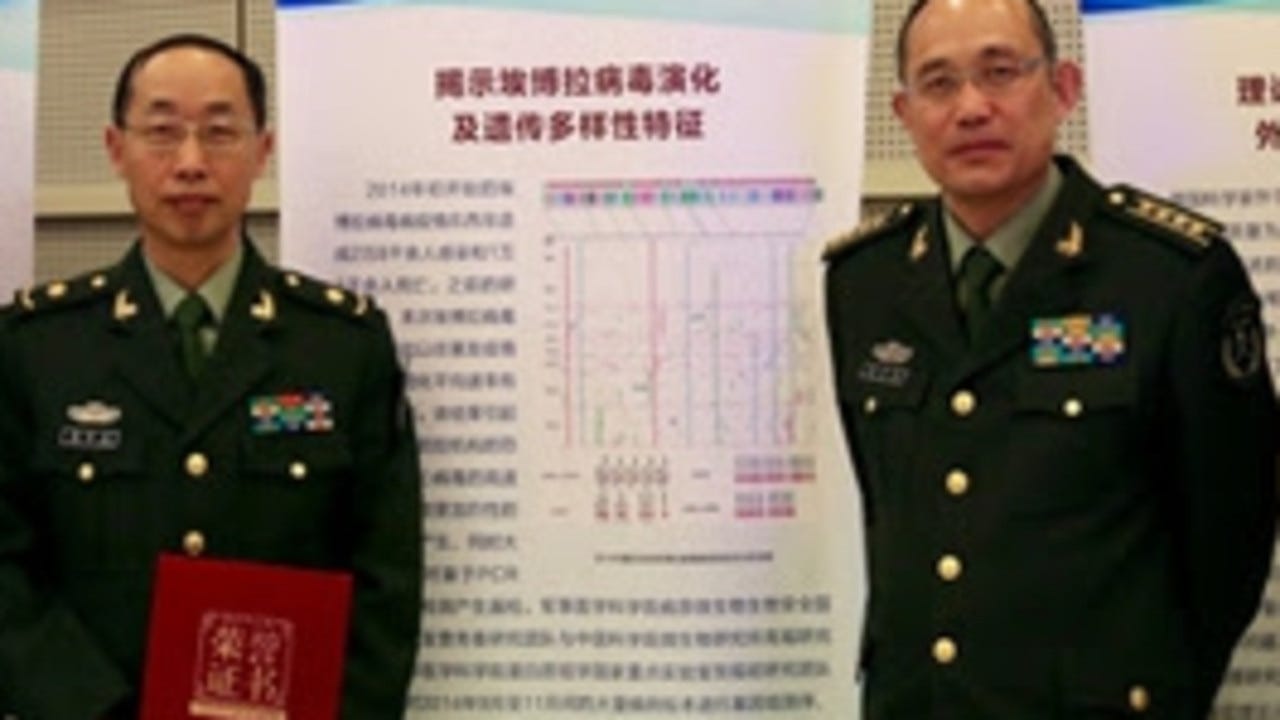
Yigang Tong (left) with Wuchun Cao (right). His epaulettes indicate a rank of Major General

No need for “No see-’em”
Long before Covid, Zhou and Tong had co-authored papers on genetic engineering techniques, that although generic, are applicable to the enhancement of viruses. A particular focus was techniques based on assembly PCR. These methods avoid the use of restriction enzymes to splice genetic fragments together, relying instead on overlapping sequences at each end. The fragments can be designed in a computer (perhaps based on results of directed evolution experiments) and synthesized. There is simply no need for the techniques like Baric’s, that some still believe to be state of the art.

Zhou and Tong were using PCR assembly, and even writing high profile papers on new techniques as early as 2007.

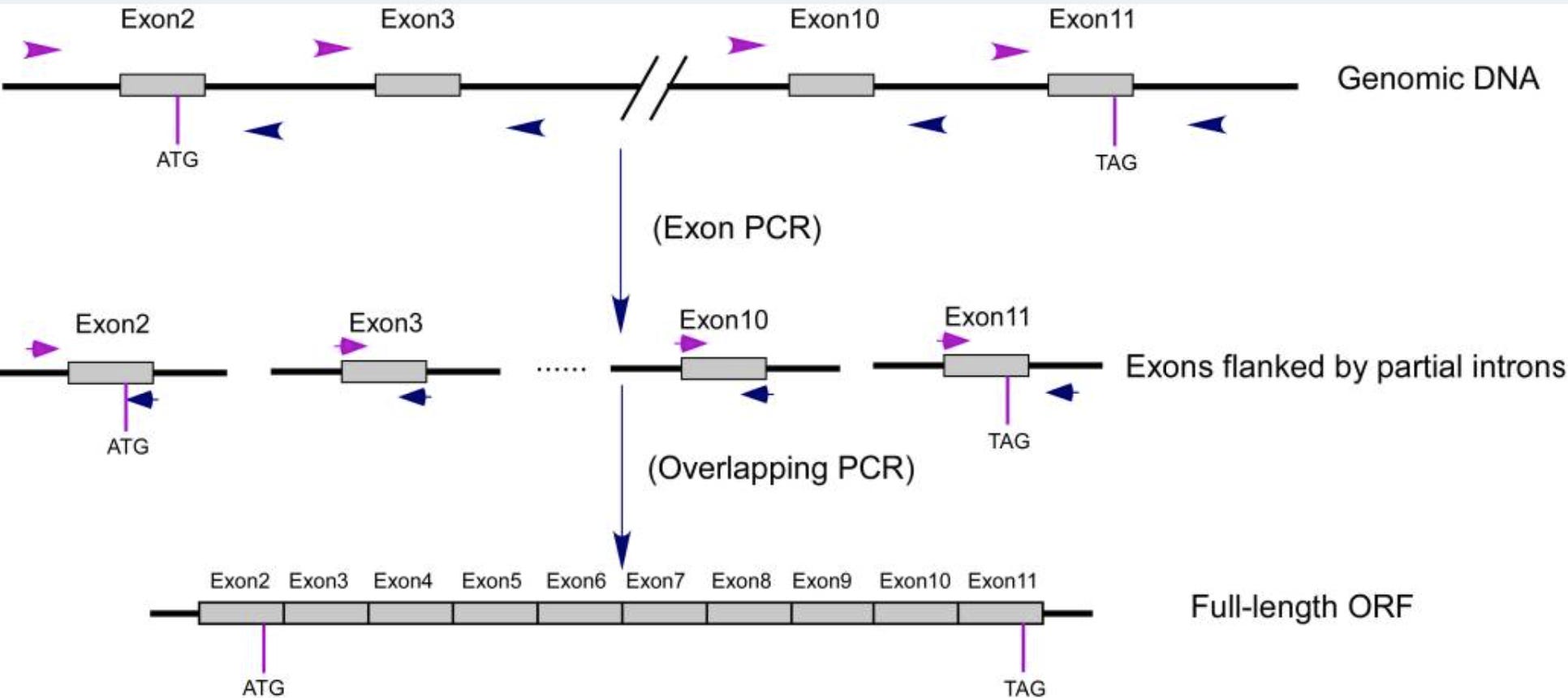
Although this paper doesn’t describe, per se, a reverse genetic system, it demonstrates prowess with overlapping PCR to stitch together genes produced synthetically. It also mentions DNA shuffling. In a previous article I showed evidence this technique may have been used in engineering SARS-1 and MERS.
In 2009 another group invented circular polymerase extension cloning (CPEC), which did away with the need for restriction enzymes and ligation when inserting into a plasmid.
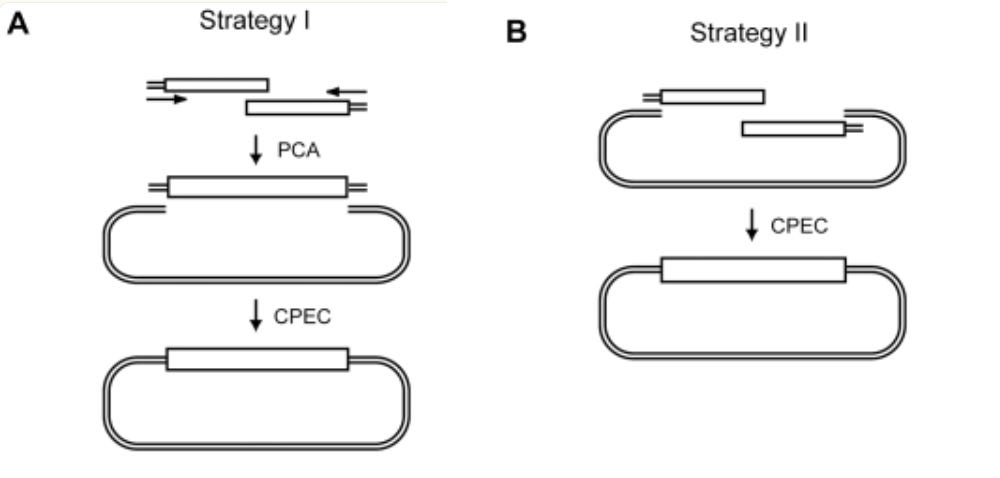
In 2014, another group exploited the cell’s own repair mechanism, joining fragments of synthetic viral DNA with overlapping ends, to produce live virus. This technique, Infectious Subgenomic Amplicons (ISA), is more suited to smaller genomes with fewer fragments, as recombination isn’t assured.
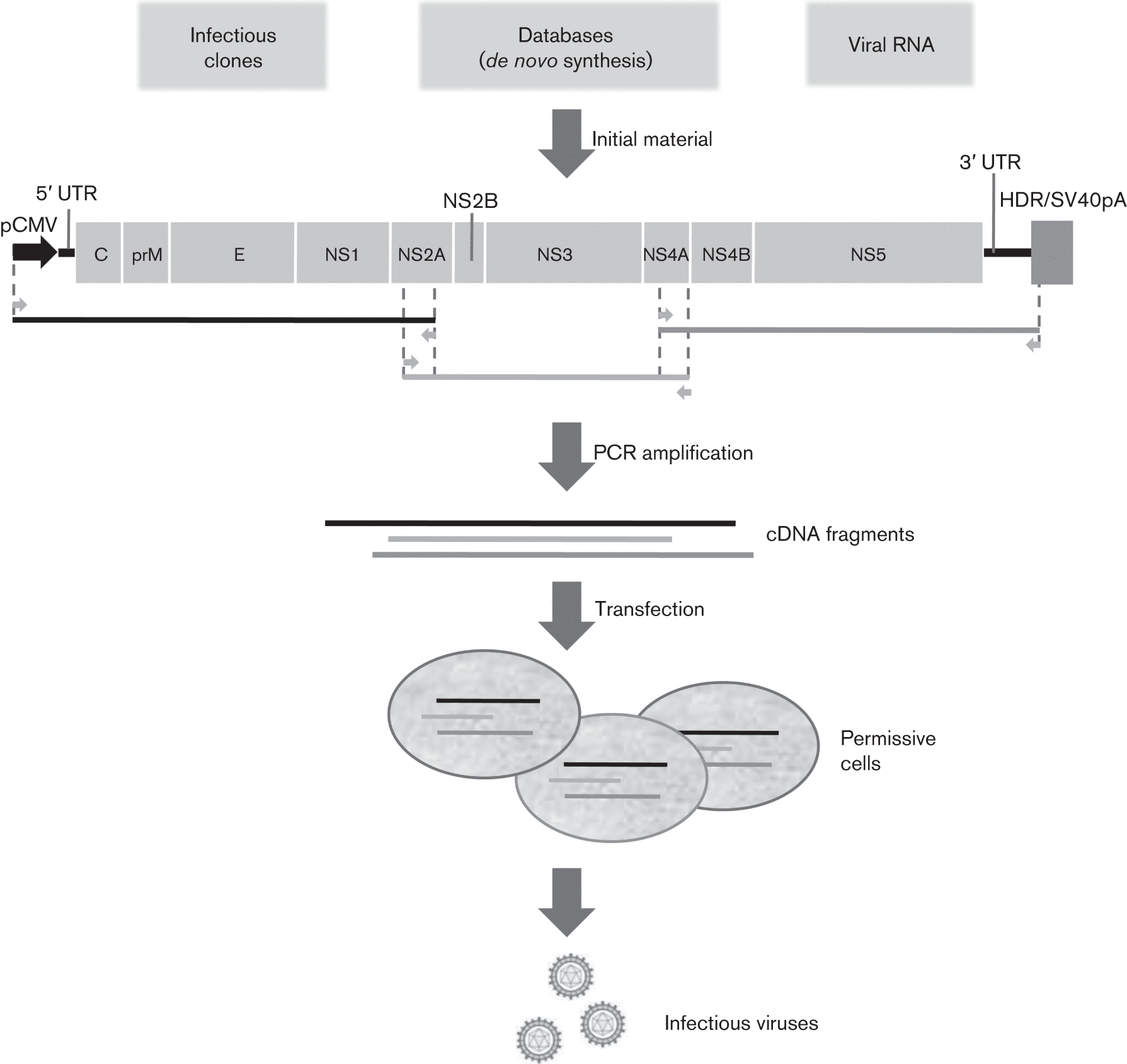
By 2017, CPEC was being applied to synthesizing viruses straight from sequence data. Zika was the first published example, followed by Dengue and other flaviviruses.

With the pandemic, several groups applied the technique to rescuing SARS-CoV-2, claiming various optimizations to the protocol.
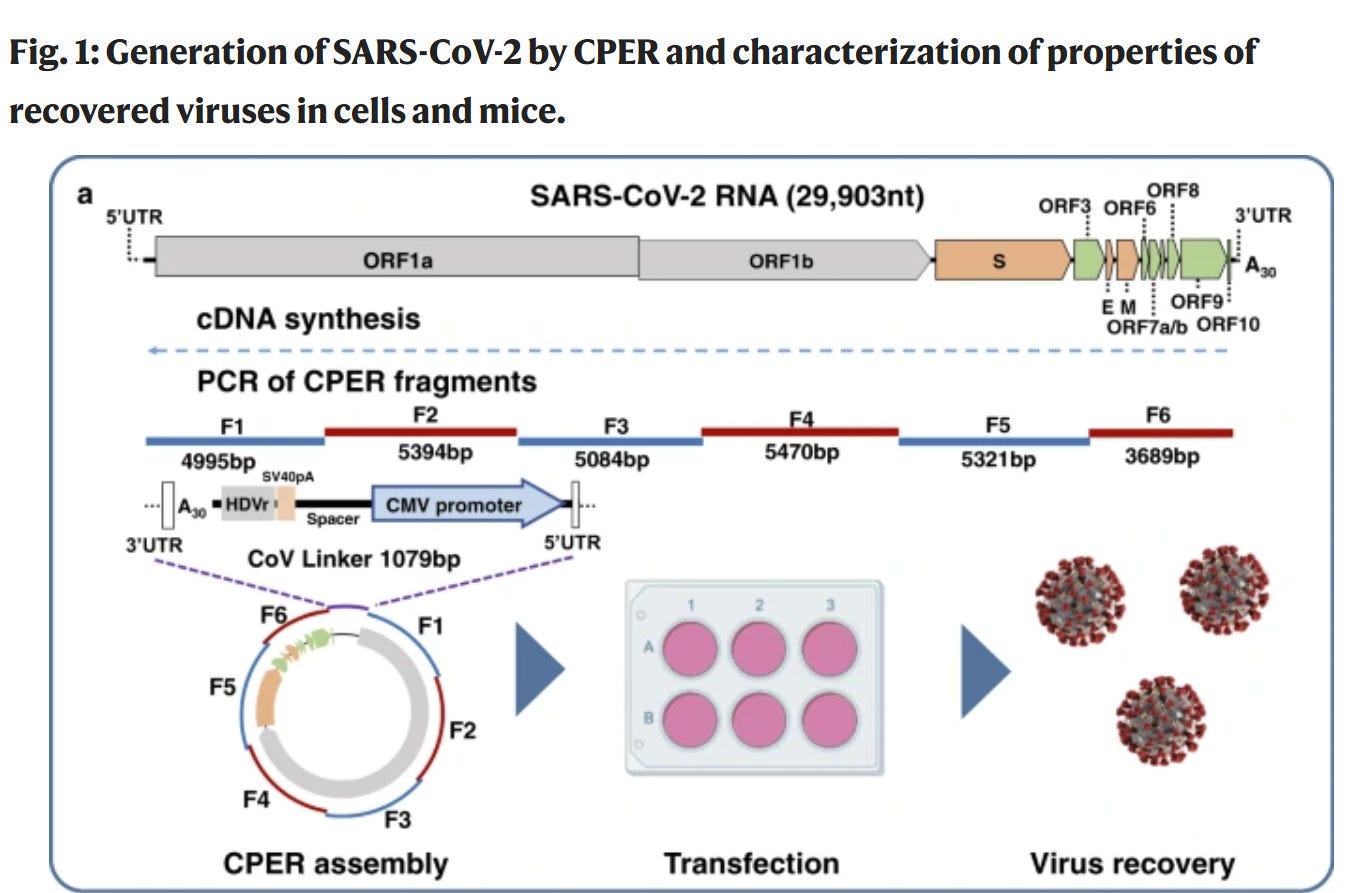
The main advantage of Baric’s No See-’em technique in its time was that it was high-fidelity, the resulting sequence should contain few or no errors - even the handful of synonymous mutations needed to create restriction sites are avoided. The point wasn’t to hide evidence of manipulation, but to avoid errors that could make the resulting genome non-viable, and to properly understand the virus in as close to its natural form as possible.
In the early days at least, PCR based techniques could introduce errors, particularly when working with large fragments. However, this may not be a consideration for an engineer who is intentionally introducing mutations using directed evolution techniques - it may even be desirable. The result is a quasi-species swarm which are then subjected to a series of selection tests. It doesn’t matter if some species are non-viable, only the fittest will be selected.
Chimeric Structure of SARS-CoV-2
SARS-CoV-2 spike appears to be a chimera with the NTD derived from one virus, and the RBM another. Although RaTG13 (or a virus similar to it) has been proposed as the “backbone” into which a novel RBD was inserted, I believe it is a fabricated sequence, invented post-facto to misattribute the origin.
The likely precursors are the Guanxi pangolin coronavirus (GX PCoV) and the Guangdong pangolin coronavirus (GD PCoV), although neither likely came from pangolins (at least not the spike), and are already heavily engineered. The GX PCoV was isolated by Tong Yigang by his own admission, and the GD PCoV is clearly linked to a virus (ZC45) from another PLA group who are also linked to the “PLA Logistics Department” (later known as the Join Logistics Support Force, this is the unit who implemented the lockdown of Wuhan).
The relationship between these viruses, and chimeric structure of SARS-CoV-2 should be evident from the alignment below.
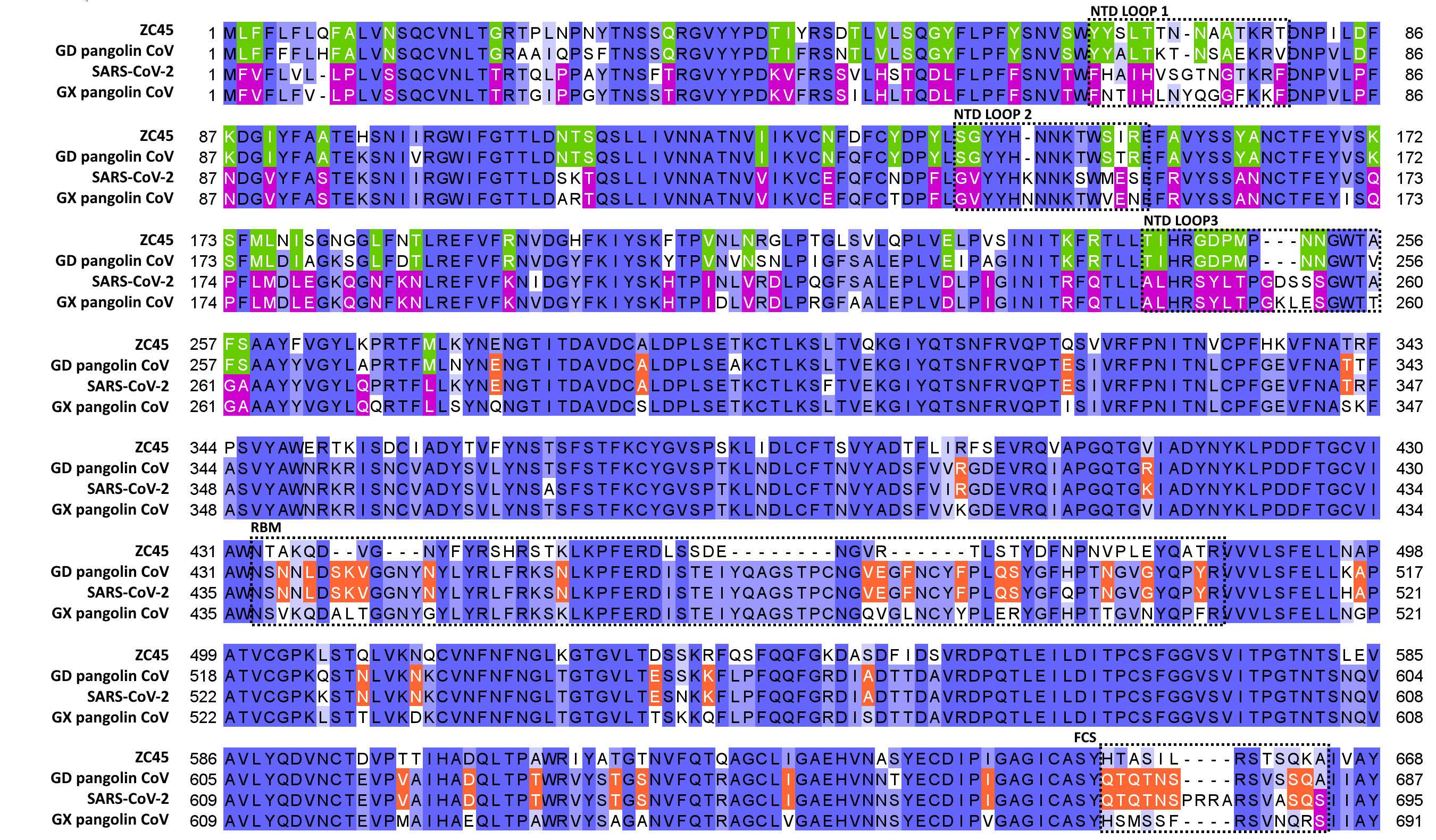
The GD PCoV is most similar to SARS-CoV-2 in the RBM - there’s just one amino acid difference between them but - bizarrely - 26 silent mutations. That’s an extraordinary ratio for what should be the most variable part of the genome, and a change in host species. The GX PCoV has 16 amino acid differences, but the important structural peptide TEIQAGST (described in a previous article) is conserved.
Engineering an FCS cassette
Comparing the three sequences in the region flanking the FCS insert there is just one nucleotide where SARS-CoV-2 doesn’t follow the GD PCov sequence, an A→G mutation, which is synonymous, doesn’t change the amino acid encoded.

But it does make a difference to a genetic engineer. If they wanted to insert a four amino acid FCS, and perhaps try a few different versions, or create multiple variants by some directed evolution technique, they need an easy way to cut the RNA nearby to make the insert. Commercial restriction enzymes are the most popular method.
The GD PCoV sequence already has some well-place Type IIS cut sites on the 5' side, but there are none immediately upstream.
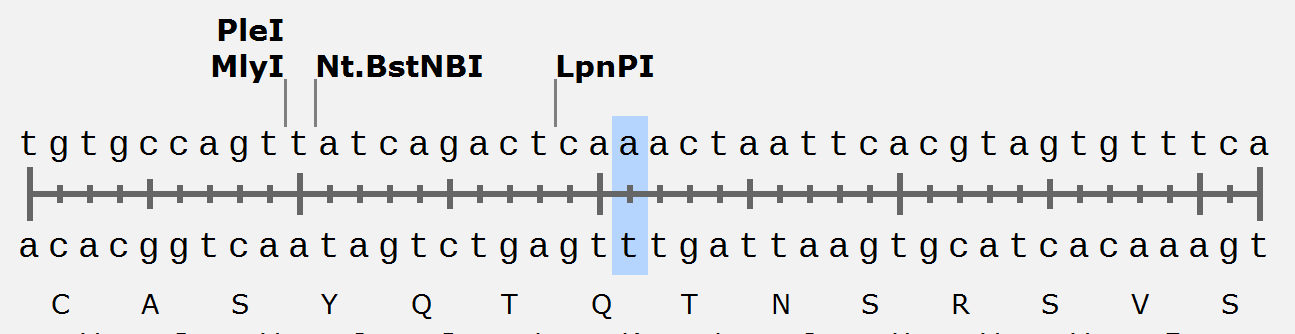
A single nucleotide change A→ G creates two that are well placed.
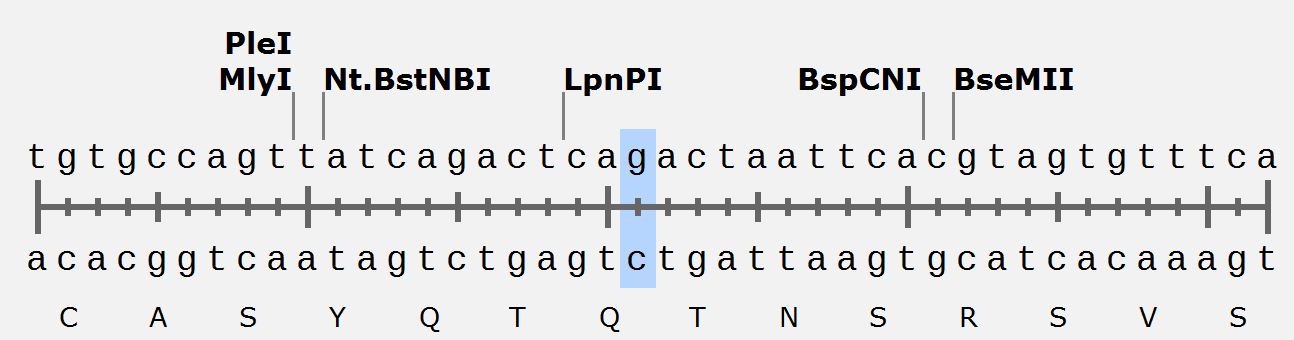
The SARS-CoV-2 genome has many restriction sites, including some more that exist only due to the A→ G mutation.

Some have suggested that the FCS sequence may have been encoded the way it is, so as to deliberately introduce a restriction site FauI.
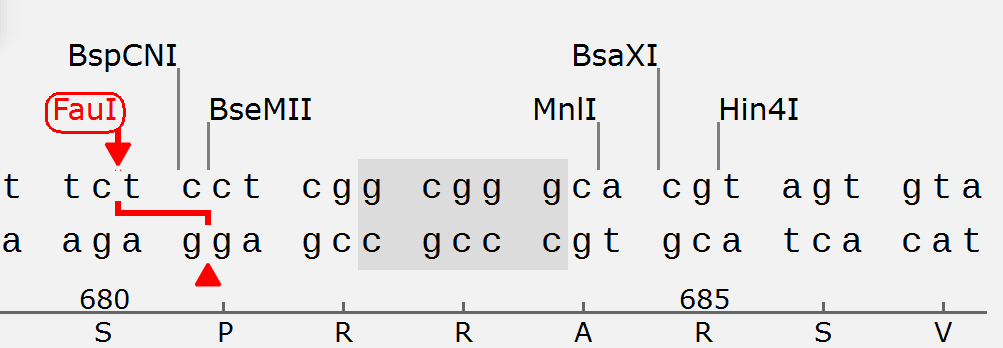
This may have been intended to give the engineer an easy way to test for the presence of the FCS sequence using gel electrophoresis. This provides a quick way to estimate sizes of the various DNA fragments present. Cutting the genome at the FauI site using its restriction enzyme will result in a recognizably different pattern from a similar genome without the FCS.
Interestingly this technique was invented by Tong Yi-gang and Yusen Zhou in 2009.
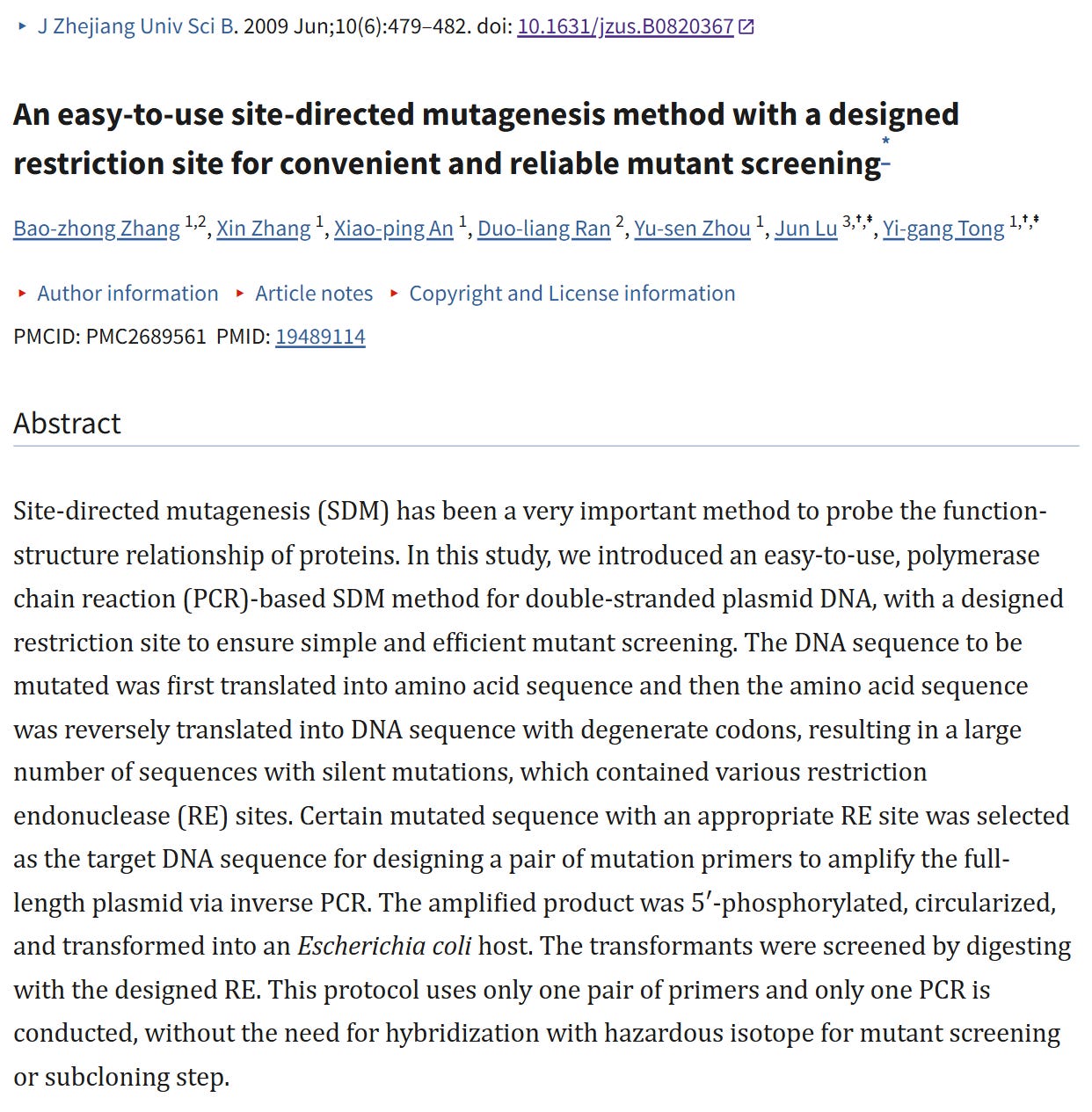
When they employed this technique, they use Phusion DNA polymerase which has a very low error rate of just 4.4×10⁻⁷ bases per cycle.

This should result in just ~0.015 errors in a 30kb coronavirus genome per PCR cycle. Noting that any PCR based procedure might require 20-30 cycles, and they may perform several PCR procedures in the course of manipulating a genome, it is still possible to employ these techniques to achieve a high-fidelity result - if that’s what is desired.

Reagents like Phusion aren’t cheap, but it’s important to understand the AMMS is no poor cousin to its civilian counterparts e.g. WIV, that are better known internationally. Military doctors and scientists are among the elite in their professions, and AMMS are the elite of the elite. They are well paid, well-trained, well-equipped, able to study and attend conferences internationally (pre-pandemic). The synthetic biology techniques they employ are way ahead of WIV, and even Baric. The downside is the risk of falling from a building in case of failure - or treason.
Tong’s SADS says so much
Tong Yigang’s grant for his secret project for the PLA Logistics Department amounts to ~US$4.5 million over 4 years - a large sum for China. For comparison, WIV received a combined US$1.7 million from PREDICT and NIH over a decade. What did Tong’s group “produce” in that time?
A pangolin coronavirus that appears to be one of the precursors to SARS-CoV-2 and wasn’t reported until the outbreak. But there’s more…
There’s been renewed interest in a pig coronavirus, SADS, that first struck China in 2017. The interest is because former WIV scientists are involved, and the work is only being done at BSL-2 level. It seems to fit the “risky research/poor biosafety” narrative. Zhengli Shi protege Peng Zhou is the first author on a 2018 paper describing the outbreaks, and the discovery of novel bat coronaviruses suspected to have been the precursor. It is a star-studded cast, many of which will soon go on to play leading roles in the SARS-CoV-2 cover up.
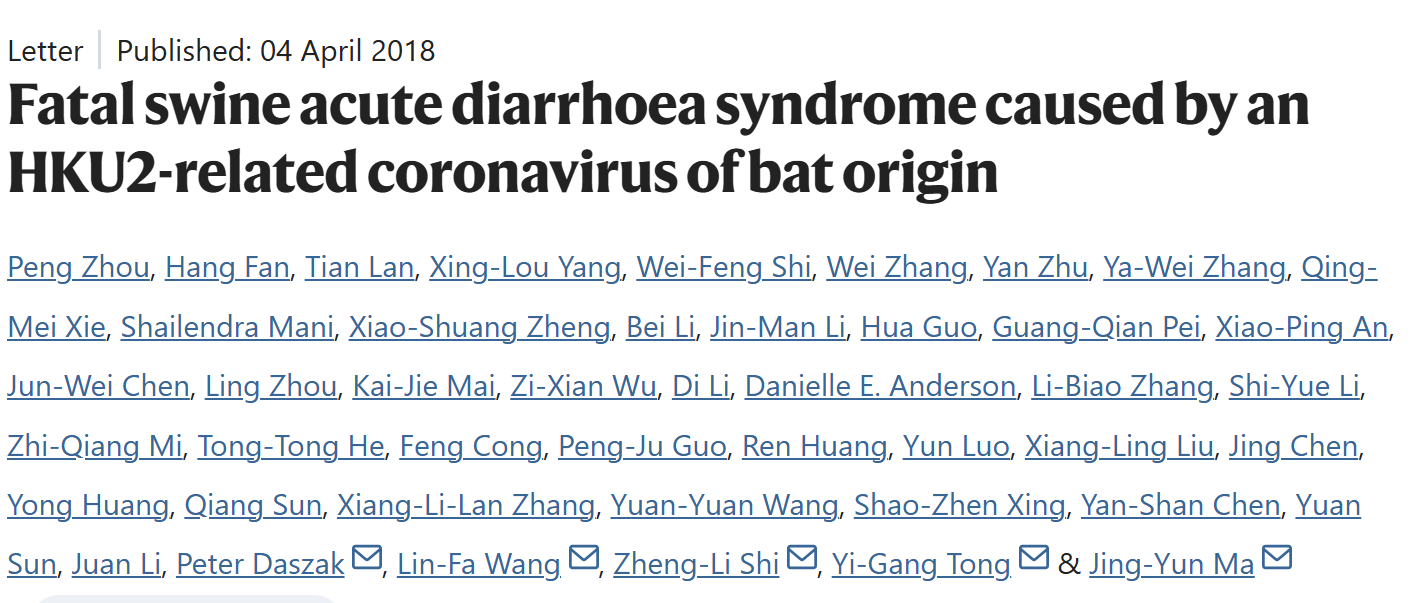
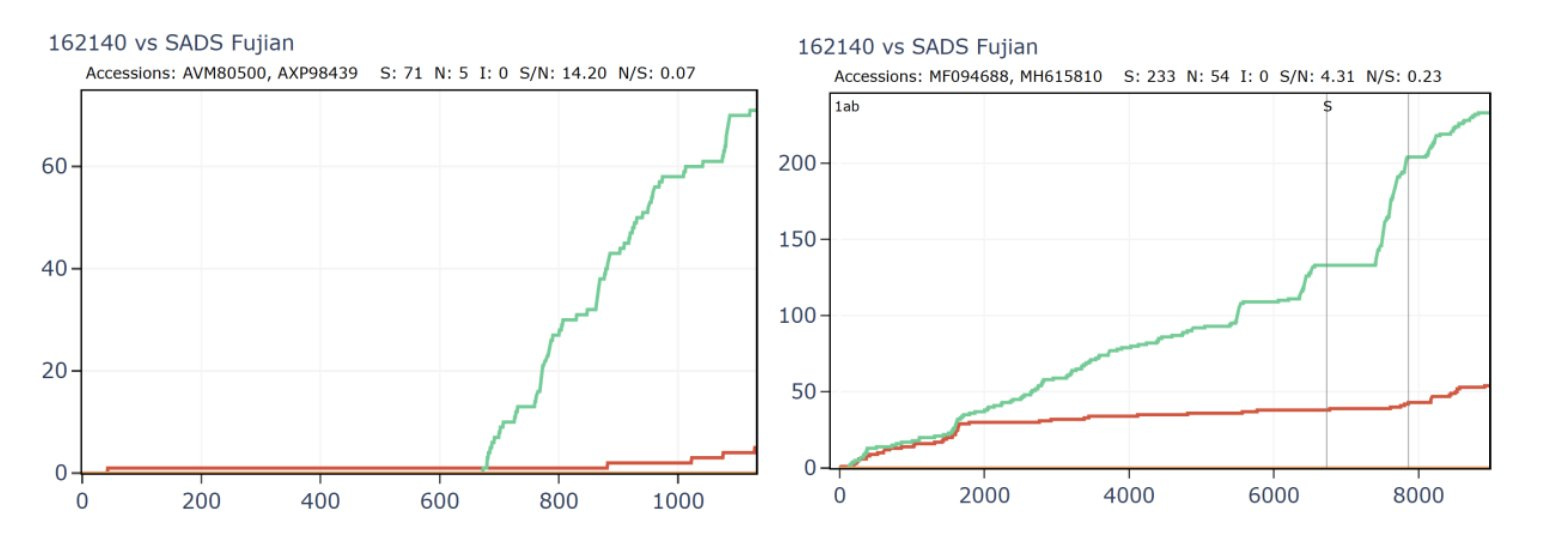
But once again I found the viruses behind SADS to have weird evolutionary relationships to one another - bafflingly recent recombinations, bizarrely high proportions of synonymous mutations, long regions with no mutations. I believe SADS is also artificial.
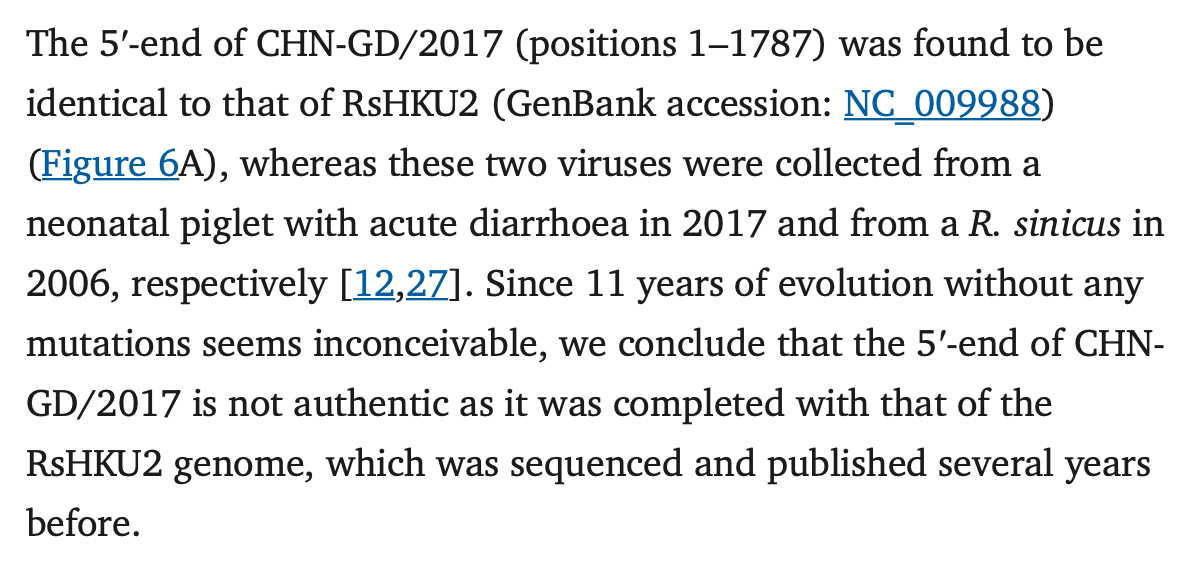
For once, I’m not alone in having suspicions. Hassanin et al made some different observations which led them to similar conclusions.
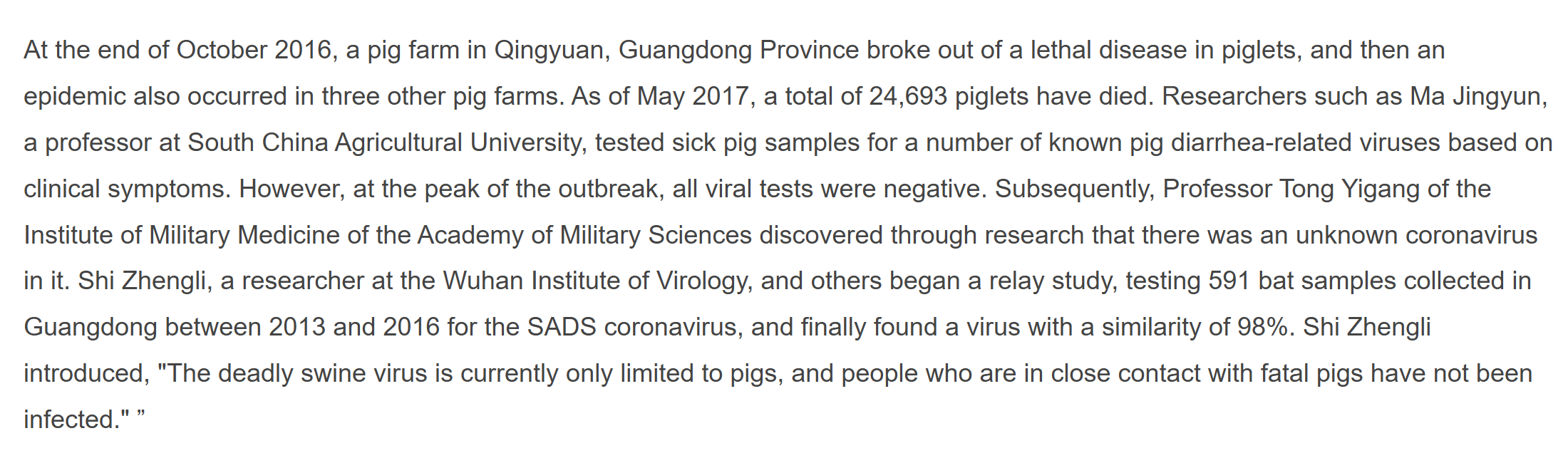
Once again, Tong Yigang avoided the limelight. SADS wasn’t WIV’s discovery, it was his. It seems odd for a scientist working on a secret military project in Beijing to take an interest in an outbreak of enteric pig disease in Guangdong. Such outbreaks aren’t uncommon, and have a variety of causes - including other coronaviruses. As with SARS-1, AMMS identified it first and passed it to WIV to find the origin. WIV already had all the samples they needed in their freezer. Their run of incredibly good fortune in finding exactly what was needed continued.
The apparent point of SADS was to emphasize that coronaviruses are frequently jumping into (non-bat) mammalian animals, and to set expectations for a future outbreak of a human coronavirus. It also seems to have been a team building exercise/dry run between the bioweapon designers (AMMS), the civilian origin hunters (WIV and SCAU), and the international scientists who would sell the story to the world - Peter Daszak and Linfa Wang.
More from Tong Yigang’s recruitment ad - for qualified applicants
Professor and doctoral supervisor, with a bachelor’s degree in genetics from Fudan University, a doctorate from the Academy of Military Medical Sciences, and postdoctoral research at UBC, Canada. Formerly a researcher in molecular microbiology at the Academy of Military Medical Sciences, and director of the Omics and Bioinformatics Research Laboratory of the State Key Laboratory of Pathogenic Microbiology Biosafety at the Institute of Microbiology and Epidemiology, Academy of Military Medical Sciences. His research focuses on biosafety, microbiology, genomics, high-throughput sequencing, bioinformatics, and bacteriophage science. He has published over 300 papers in Chinese and English in journals such as Nature, PNAS, The Lancet Infectious Diseases, Journal of Virology, and Journal of Biological Chemistry, including over 180 SCI papers, with a total citation count exceeding 2500. He has led more than ten projects, including major military biosafety projects, national key projects in synthetic biology, national major science and technology projects for infectious diseases, national major projects for new drug development, key projects for biosafety technology research and development, national 863 projects, and National Natural Science Foundation of China projects. He serves as the chief expert for both the national major infectious disease project and the national key project in synthetic biology. Chief Scientist of the Chinese Medical Team to Sierra Leone (Third Batch) in the Fight Against Ebola. Chinese Representative at the UN Biological Weapons Convention Conference. Leading domestic researchers in high-throughput microbial sequencing and bacteriology. Published three research papers in Nature (first author and corresponding author) on emerging infectious disease outbreaks, including a paper on the evolution of the Ebola virus, which was selected as one of the top ten scientific advances in China in 2015. In early 2017, when a large-scale outbreak of diarrhea and death in piglets occurred in Guangdong, the research group discovered the virus immediately and traced its origin to a bat host. This article, published in Nature, attracted widespread attention both domestically and internationally. Completed the first whole-genome sequencing of imported Zika virus in China and discovered the first imported Rift Valley fever case in my country through high-throughput sequencing…
…Job responsibilities
Main research areas are as follows:
Optimization of the coronavirus GX_P2V virus infection system.
Screening, evaluation and mechanism research of antiviral drugs.
Research on important viral invasion mechanisms