

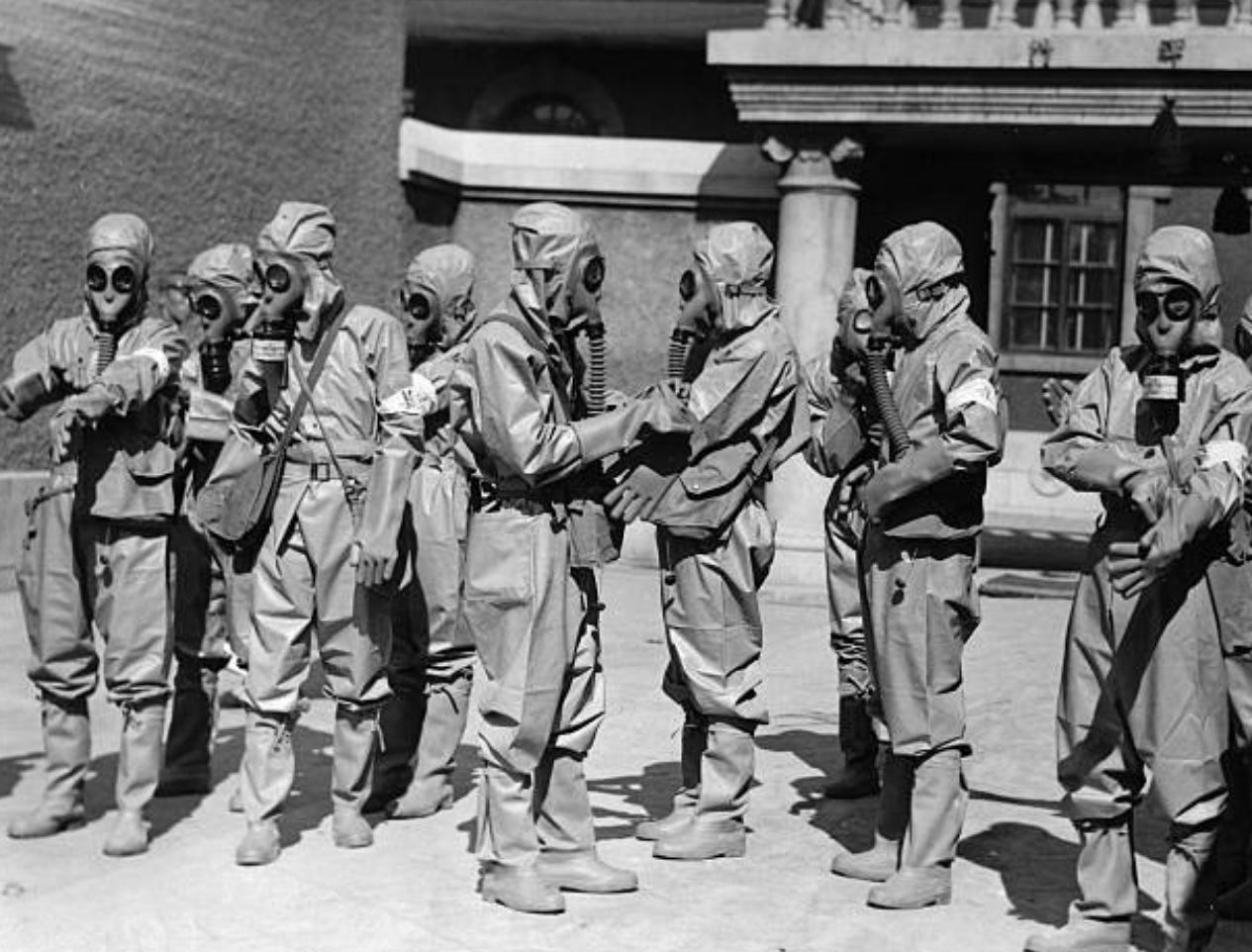
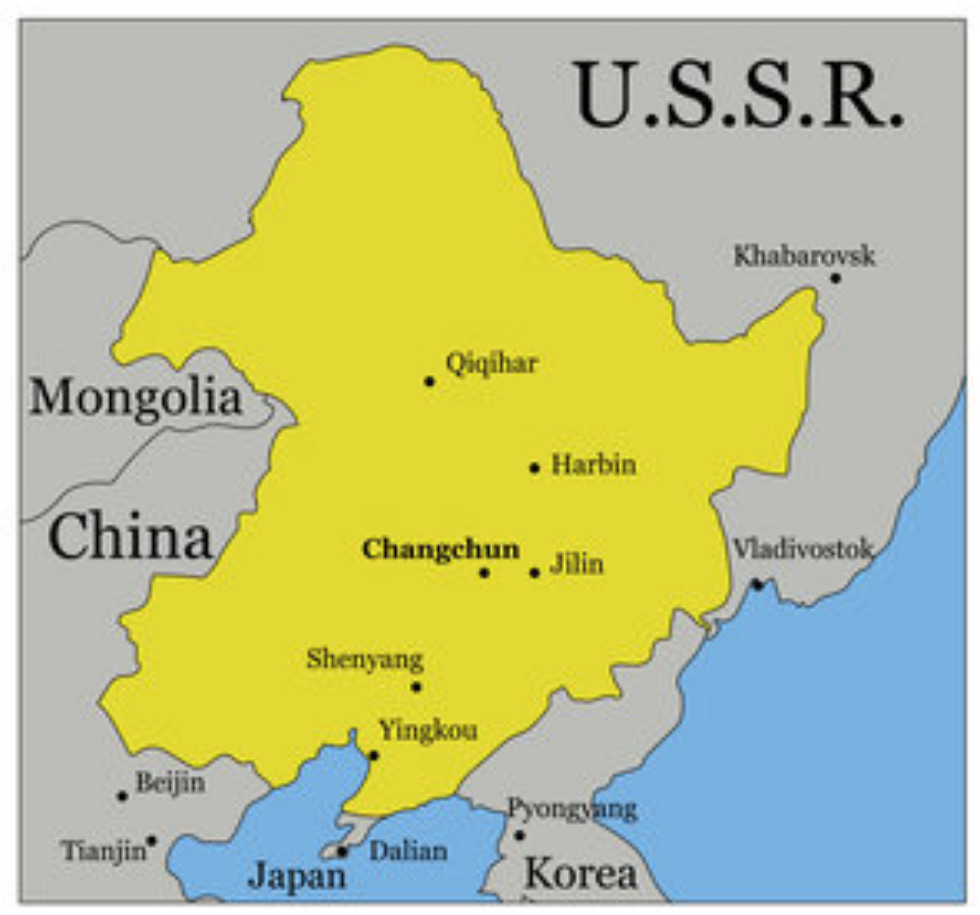
In 1933, Shiro Ishii, a doctor serving in the Japanese Imperial Army, founded an institution near Harbin in Japanese-occupied Manchuria called the Epidemic Prevention and Water Purification Department of the Kwantung Army - today better known as the infamous Unit 731. Before World War II, Japan viewed the USSR as its main strategic adversary. Ishii promoted his bioweapon research on suspicions the Soviets were developing similar weapons, and that defensive countermeasures were urgently needed. But the offensive applications also appealed to those with expansionist ambitions. Achieving technological superiority in biowarfare could level the field against a larger, better-resourced rival.
The documented horrors perpetrated by Unit 731 in the name of scientific understanding include infecting prisoners with deadly pathogens and toxins, performing vivisections and organ removals without anesthesia, and forcing the rape of female prisoners by males infected with syphilis. The victims, who were invariably killed even if they survived their ordeals, were referred to as “logs” to dehumanize them, and to help maintain the pretense the facility was a lumber mill. During the war, the unit used pathogens such as plague and cholera in field trials and operations against Chinese resistance forces. Estimates are that 3,000 to 14,000 people died during research at the facility, and an additional 200,000 to 300,000 died from field deployments of bioweapons.
With the end of the war imminent and the Soviets invading Manchuria, the Japanese razed the facility to the ground. Some 400 surviving prisoners were murdered so they would be unable to testify to the crimes. Remaining cholera and typhoid stocks were used to poison local wells, and infected animals and plague-infested fleas were released into the wild. Although Tokyo had ordered the destruction of all documents to erase any record of their crimes, Ishii defied the directive. Fleeing to Japan, he smuggled with him photographs and data resulting from the experiments. He would use this research as a bargaining chip, buying immunity from war crimes prosecution for himself and his men from the American forces occupying Japan.
The US had started developing its own biological weapons during the war, though it never deployed them. Anxious about the emerging Soviet threat, military scientists from Camp Detrick eagerly sought Ishii’s research. In a controversial deal, Ishii and his staff were granted full immunity from war crimes prosecution in exchange for their documents. The US secured the data, only to later discover it held little real scientific value.
The Japanese had also founded a sister facility to Unit 731 near Changchun in occupied Manchuria. It was officially called the Kwantung Army Warhorse Disease Prevention Unit, or Unit 100. Although its primary focus was on bioweapons targeting animals and crops, it is also known to have experimented on humans. Some of the diseases it studied, such as glanders, can infect both animals and humans. Following the Japanese surrender, retreating personnel released infected livestock, as well as plague-ridden rats and mice, into the countryside. As a result, sporadic outbreaks of plague and other diseases ravaged villages in the region for many years afterward.
After the CCP takeover in 1949, they established a similar facility—the Military Horse Health Research Institute—near the site of Unit 100. Because Changchun is near the border with North Korea, it served as a logistical hub during the Korean War. During the war, the communist allies (China, the USSR, and North Korea) alleged that the US had repeatedly subjected parts of the country to plague and cholera bioweapons. This was strenuously denied by the US; however, an esteemed British biochemist, Dr. Joseph Needham, led an inspection tour and endorsed the claims. Decades later, after the fall of the USSR, declassified documents confirmed the communist allies had colluded to make false accusations. To trick the international inspectors, they created false exposure zones by releasing infected fleas and rats, contriving epidemiological data, and faking autopsy reports. There were even plans to deliberately infect prisoners with plague to provide corpses as “evidence.” It is another example of well-intentioned but gullible scientists being duped by an elaborate disinformation campaign.
Even today, these false accusations are promoted as fact by the CCP, widely believed in China and embedded in PLA doctrine. So too is the view that the US secretly maintains an offensive bioweapon research program. That Ishii was allowed to escape justice is a grievance that is regularly stoked. The reality that Unit 731’s data, resulting from the blood and suffering of Chinese, was used to evaluate US bioweapons is a core part of the CCP’s “Century of Humiliation” narrative of victimhood. The emotional design of this propaganda is to create a sense of national vulnerability, rather than fostering an abhorrence of biowarfare. The CCP exploits this historical trauma to justify its own secretive “dual use” programs, framing them as essential defenses against an untrustworthy West.
Changchun connection
The Changchun institute was later renamed the Military Veterinary Research Institute (MVRI) of the Academy of Military Medical Sciences. One of its more notable scientists coincidentally (perhaps?) shares the same name as the city: Tu Changchun.
Tu Changchun’s main pathogen of interest was rabies. In the late 1990s there was a resurgence of rabies in the southern provinces. In 1999, scientists from Guangxi University captured and sampled hundreds of dogs and 320 bats in and around Nanning, the capital of Guangxi province. They managed to isolate and culture three novel strains of rabies from the bats. Rabies is usually hosted by small, insectivorous bats like the Rhinolophus bats which also harbor SARS-related coronaviruses. Tu Changchun was in contact with these scientists long before they published, and it seems likely he obtained samples from them, or perhaps went to the same areas himself to sample.

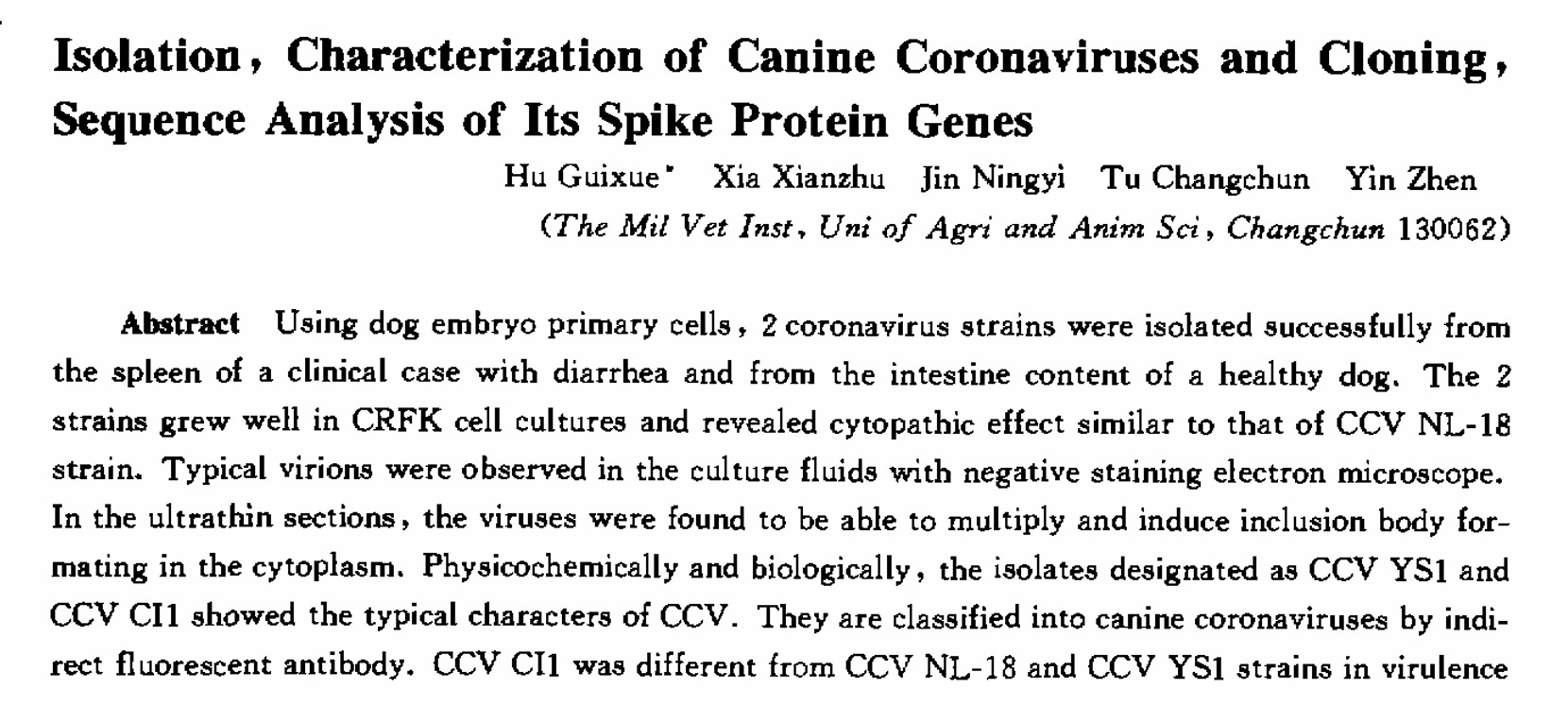
Rabies wasn’t Tu’s only interest - he had previously isolated other viruses, including coronaviruses from dogs.
He was also developing multiplex PCR assays - which can detect a range of viruses with a single test.
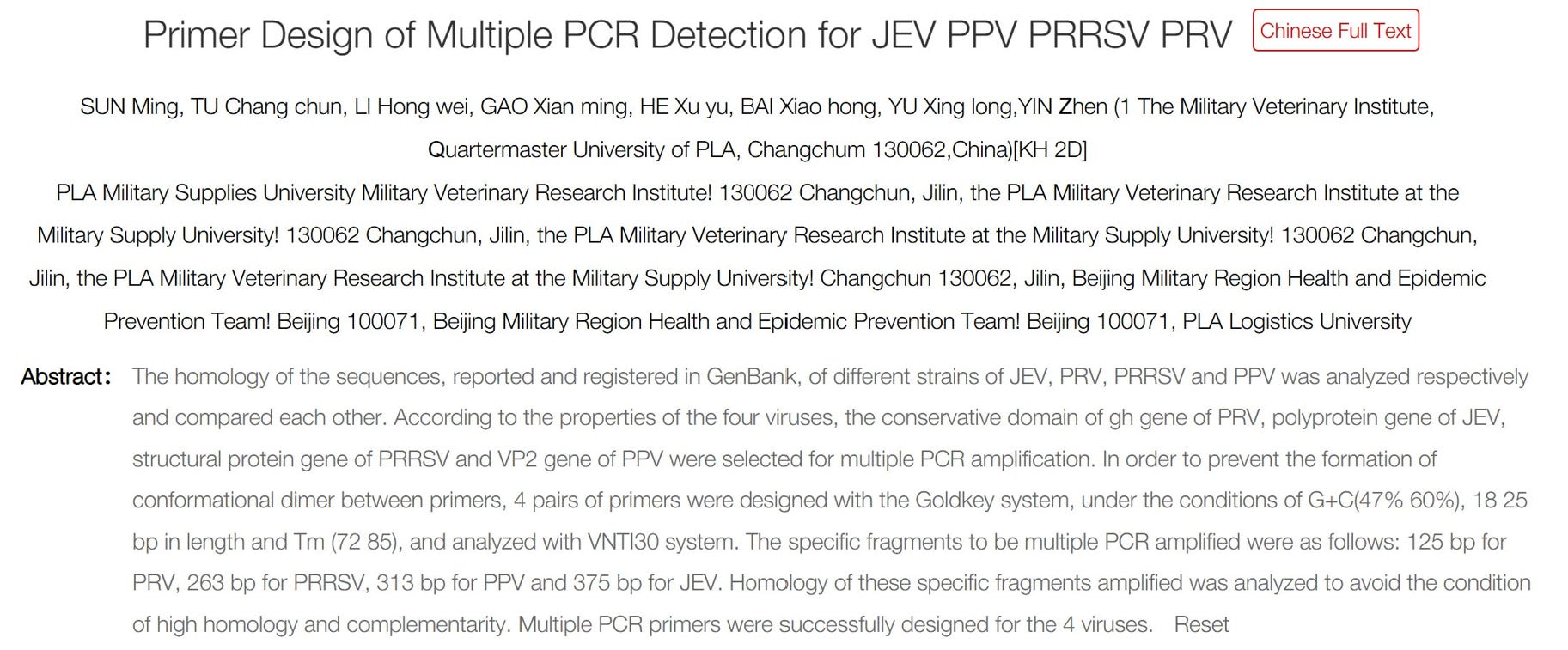
Given his interest in the transmission of rabies between bats and dogs, and his isolation of novel canine coronaviruses, I speculate that sometime around 2001, he successfully identified, isolated and cultured a coronavirus from horseshoe bats, and with the assistance of colleagues at the AMMS Beijing Institute of Microbiology and Epidemiology - this unpublished bat virus became the genetic “backbone” of SARS.
In 2004, when CSIRO’s Linfa Wang and WIV’s Zhengli Shi commenced the hunt for SARS-related coronaviruses in bats, the first place they went to was Nanning. Despite little success at first (likely because they initially sampled frugivorous Rousettus bats) they returned twice more and eventually sequenced a virus - Rp3 -very similar to SARS in the backbone - albeit with a divergent spike.
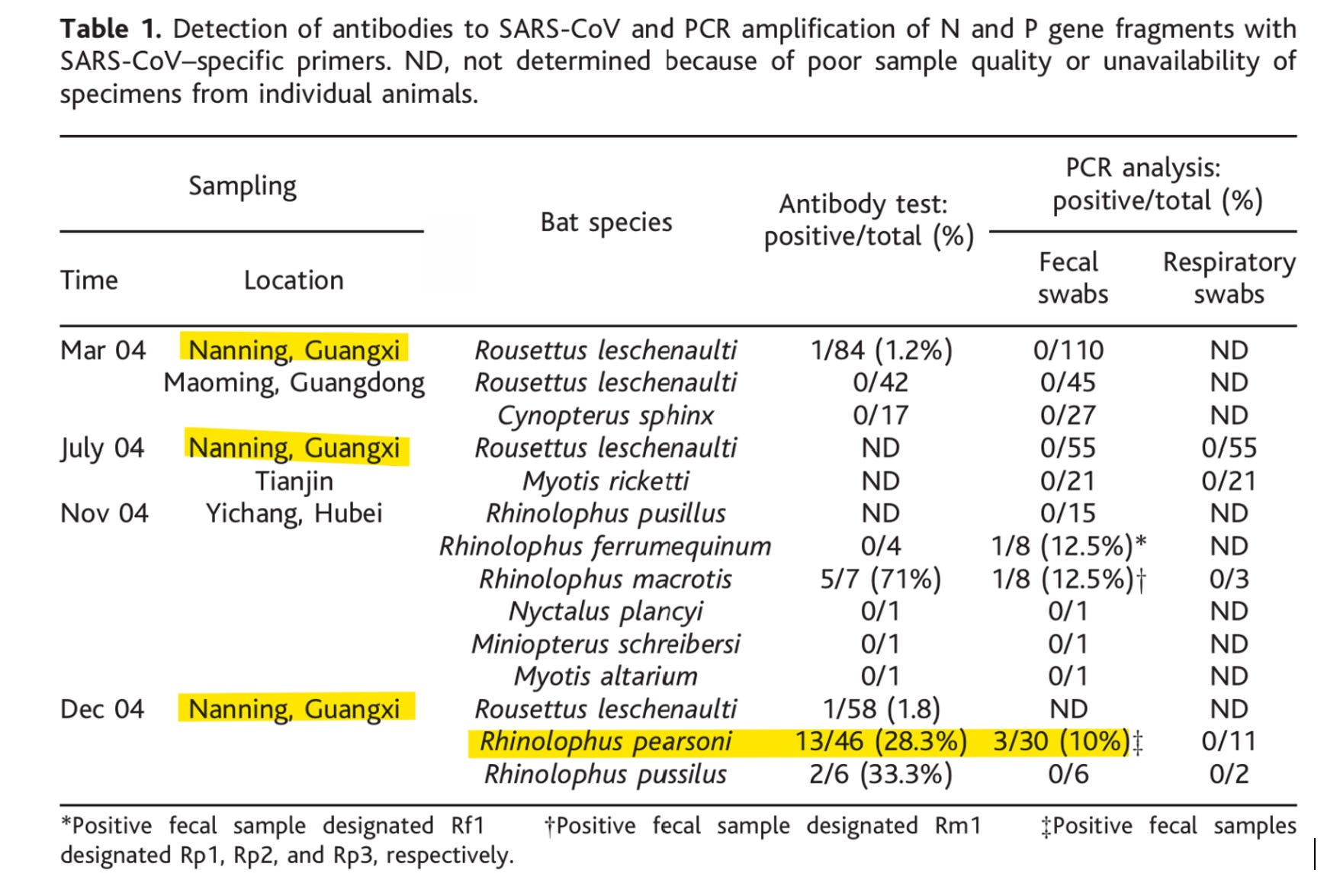
Why did they target Nanning first? And why keep returning after initial failures? At the time, Linfa Wang and CSIRO were also working with Tu Changchun on the epidemiological connection between SARS and civets. It seems probable they went to Nanning on his advice - another sign he had previously isolated a bat coronavirus from that area.

Although WIV and CSIRO sampled other related viruses in Hubei (Rm1, Rf1), and HKU sequenced another (HKU3), Rp3 was by far the closest in nucleotide identity, pointing to an origin in Nanning, or elsewhere in the South-West.

However, the crucial spike gene, which determines tropism, was different between all these bat coronaviruses and SARS. They have deletions in the receptor-binding motif (RBM) which render them unable to bind the ACE2 receptor (even bat ACE2). In 2008, a German team led by Christian Drosten announced a new virus discovery BM48-31, which although quite distant to SARS in the backbone - had an RBM that was more similar, with fewer deletions and was potentially able to bind ACE2. Curiously, this virus was collected 7000km away in Bulgaria, presenting a mystery: how could a recombination with this geographically distant clade have occurred?
In 2013, WIV claimed to have resolved that evolutionary gap when they announced new viral discoveries in a cave near Kunming, Yunnan: WIV1 - which has an RBM almost identical to SARS, and SHC014, which has a similar RBM but with some extra homology to BM48-31. Mystery solved! Except there is genomic and circumstantial evidence suggesting WIV’s Kunming “discoveries” aren’t natural viruses, but artificial chimeras. Before anyone noticed this, Tu Changchun published another closely related, ACE2 binding virus - LyRa11 - effectively bolstering WIV’s claims. Tu claimed to have sampled this in Baoshan, Yunnan. Remarkably, the only two sites SARS-1-like, ACE2 binding viruses were purportedly discovered - Kunming and Baoshan - were both targets of Japanese cholera bioweapon attacks during World War II.

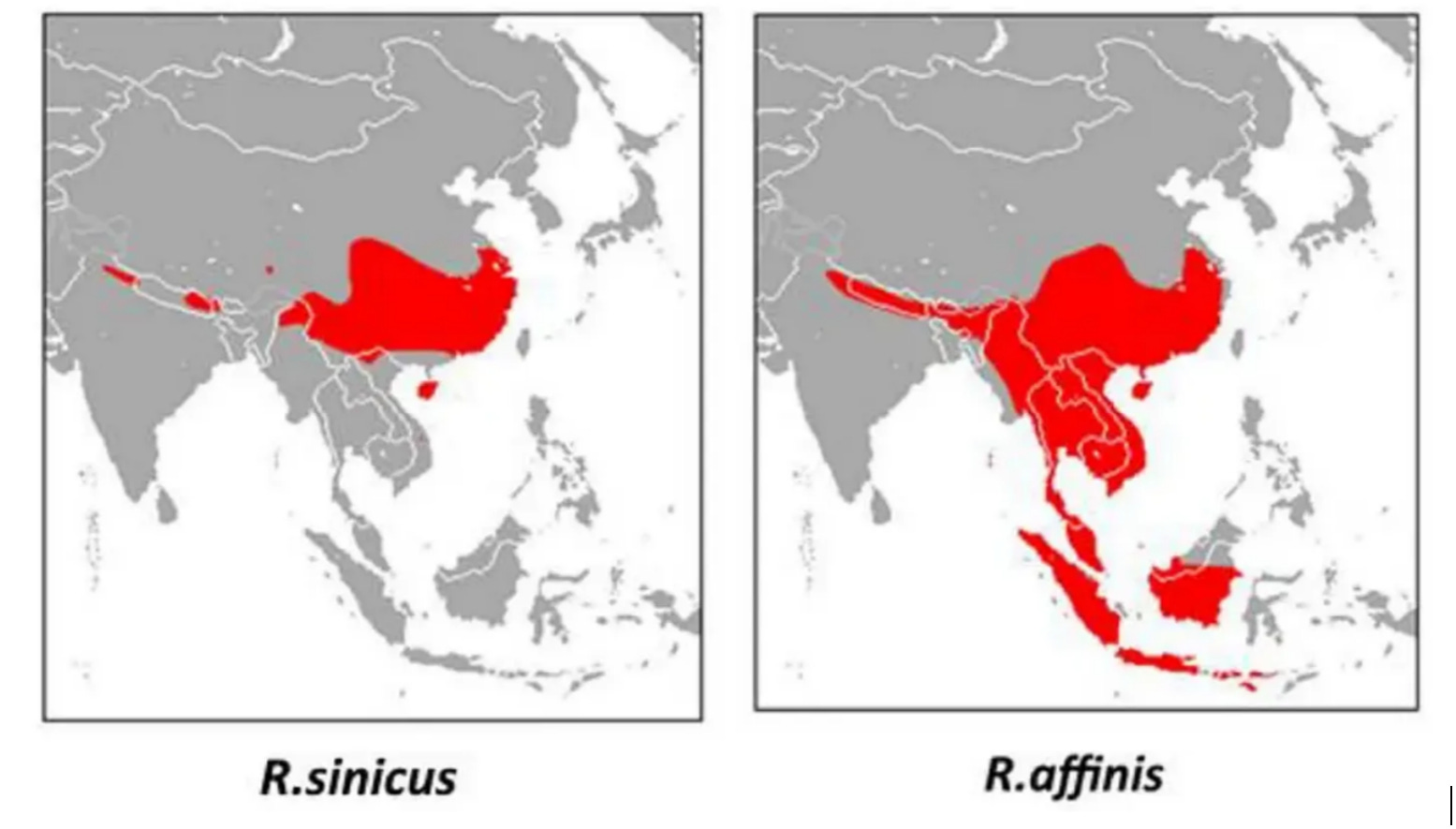
Notably, while WIV’s discoveries, were made in the host species R. sinicus, Lyra11 is from R. affinis - which is also the host of RaTG13. The significance of this is that while R.sinicus is largely confined to China, R.affinis has a range which extends deep into South-East Asia - where it might conceivably encounter a Malayan pangolin.
With the outbreak of SARS-CoV-2, Tu Changchun reunited with his former CSIRO collaborators in a paper announcing the discovery of SARS-CoV-2 related viruses from Thailand. The paper also claimed Thai pangolins were seropositive for a SARS-CoV-2 related virus.

In May 2020, journalist Sharri Markson published an article about Tu. The piece contained little substance beyond noting his past working relationship and friendship with Trevor Drew, the head of CSIRO’s BSL-4 laboratory. While likely the result of a targeted leak, the article lacked substantive details, suggesting the source had an incomplete picture of Tu’s work and connections. The ABC interviewed Drew regarding CSIRO’s past collaborations with the WIV. Tellingly, Drew failed to disclose that this joint research focused on the origins of SARS; nor did he mention CSIRO's collaboration with a PLA officer on the same topic.
In 2022, Tu and his protégé Biao He contributed to a paper by group searching for viral reads in metagenomic datasets of various mammals including pangolins.

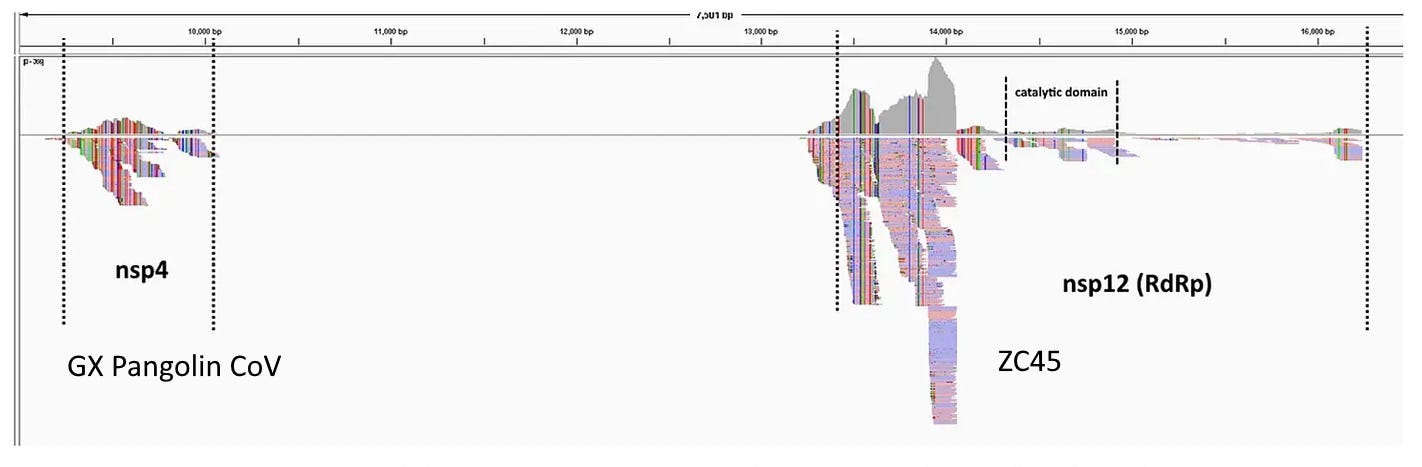
When independent researchers Adran Jones et al analyzed the datasets they found evidence of cloning experiments. Within the datasets they discovered reads from ZC45 and the GX pangolin coronavirus. They found a read from a cloning vector pUC57 attached to the 5’ end of one of the viral reads.

The reads are in two discrete segments of the genome covering the nsp4 gene of the GX pangolin coronavirus and the RdRp of ZC45. There are no reads elsewhere in a coronavirus genome, suggesting individual gene variants were being processed separately. Both viruses were discovered by the PLA in 2017 and both can be regarded as early precursors to SARS-CoV-2.
I’ve applied several times to obtain correspondence between CSIRO and Tu Changchun by FOI. Most recently CSIRO claimed to have no documents at all, but on a previous occasion they claimed to have too many documents to reasonably process.
More detail in my earlier post:
How the PLA Planned a Plague

In previous articles I’ve documented the deceptive nature of WIV’s claims to have discovered bat viruses with human pandemic potential in Yunnan. Initially this seemed to be about laying a false evidentiary trail for a natural origin of S…