

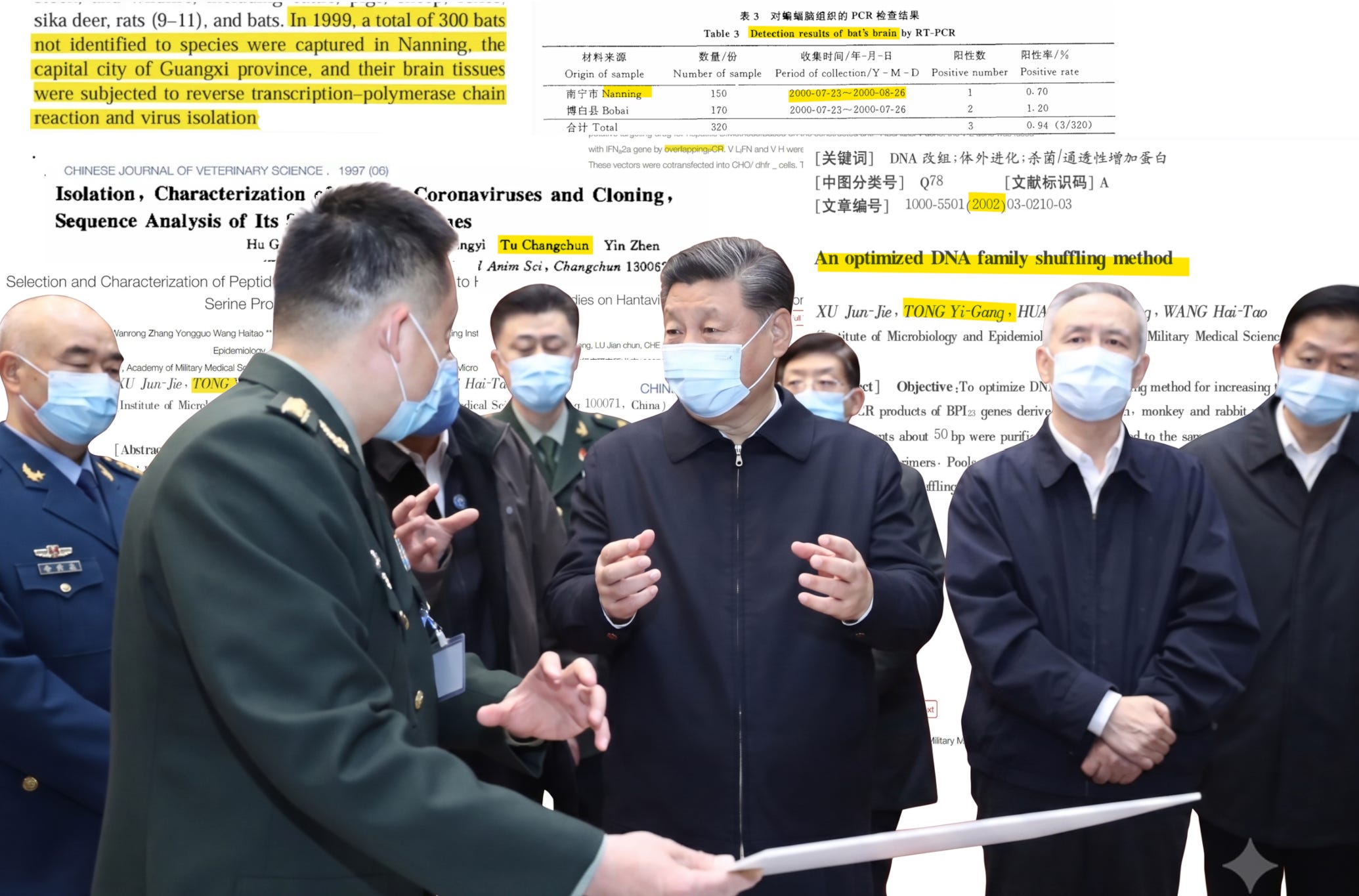
I occasionally get pushback from people claiming the AMMS didn’t have the capability to engineer SARS-CoV-2, let alone SARS-1, back in 2002. Yet evidence is there, much of it published in their in-house Chinese language journal. Not a single recipe for a bioweapon obviously, but experimentation with, and extension of state-of-the-art techniques with clear dual-use applications.
The pipeline to engineer SARS is something like this:
Sample coronavirus hosting bats
Isolate/culture/sequence a novel coronavirus “backbone”
Adapt and/or engineer the spike to enhance human infectivity
Assemble the chimeric virus
Weaponize (freeze drying and microencapsulation to make stable and aerogenic)
Primate testing
What are/were the capabilities of the AMMS at each stage of the pipeline?
There is necessarily some degree of speculation involved in trying to reverse engineer Though there are artifactual clues in the genomes, it isn’t possible to say with 100% certainty what techniques were applied. But there’s enough to show they had the capability, and the research interests of key scientists aligns with the genomic evidence.
Bat sampling, isolation of a novel coronavirus
In a previous article I wrote that I’d found no evidence that Chinese scientists had been prospecting for novel bat viruses before SARS. Now I have. Although these bats were first collected by civilian academics, there’s a link to the AMMS Military Veterinary Institute, and a military scientist who is mentioned frequently in this blog: Tu Changchun.
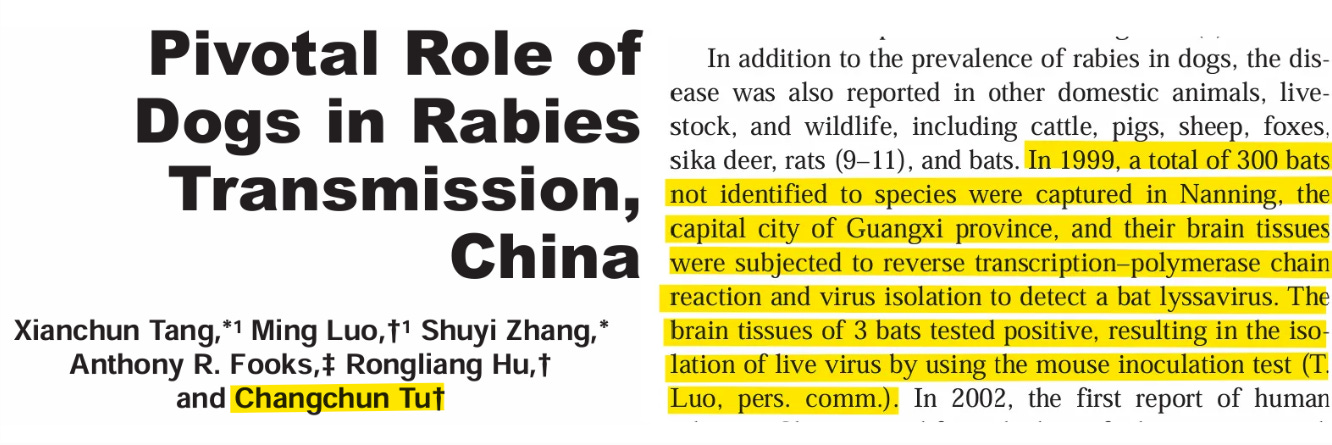
Before SARS, Tu Changchun’s main research focus was rabies. Bats were known to be the reservoir of rabies and related lyssaviruses since 1911 - and most often it is small insectivorous bats that are the hosts - as with sarbecovs. In 1999, scientists from Guangxi University sampled bats near the provincial capital Nanning, and isolated novel strains of rabies. A 2001 master’s thesis described the initial phase of this work (although the final paper wasn’t published until 2005). As a national coordinator of China’s rabies research, Tu Changchun had contact with the authors before publication.
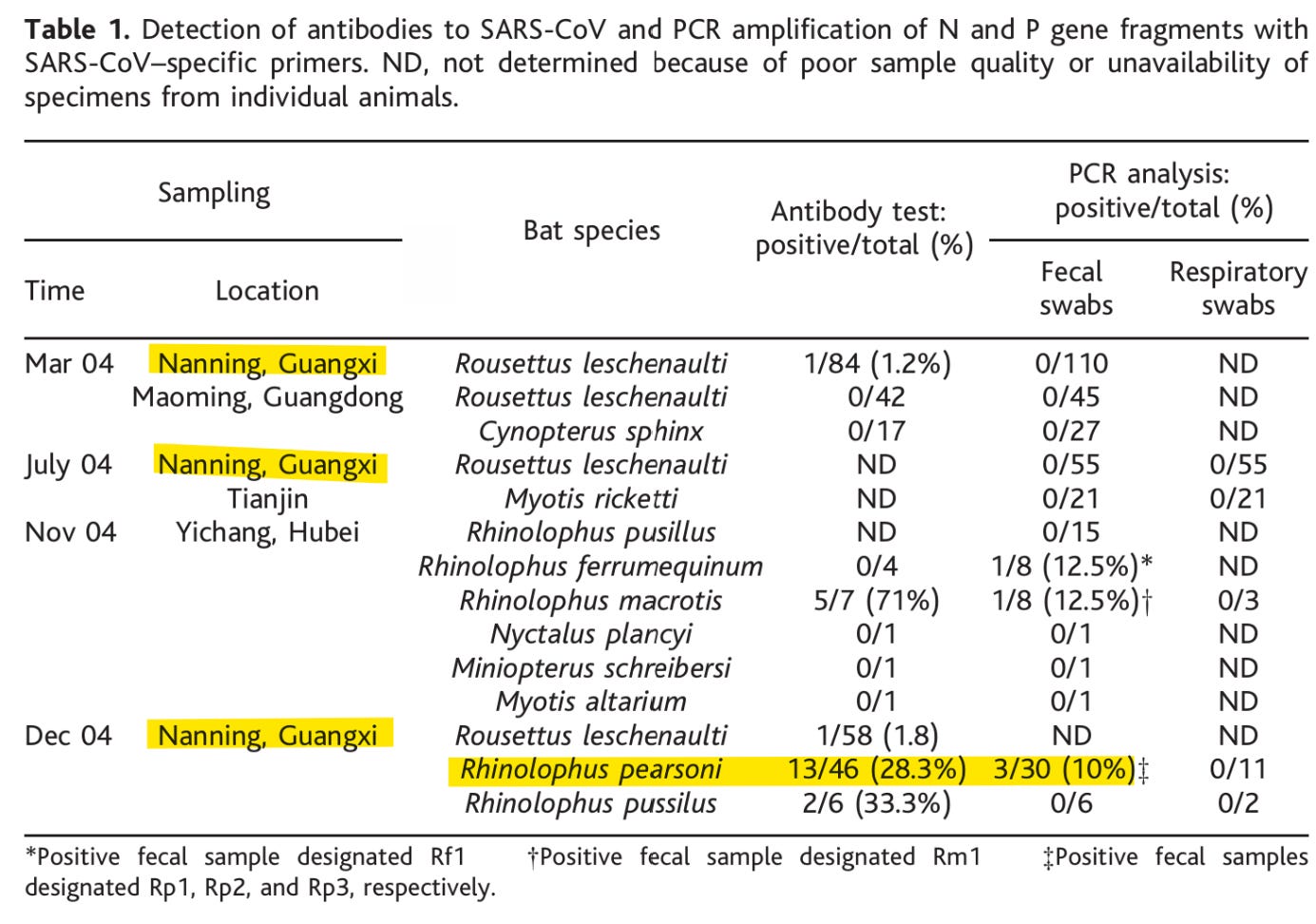
When WIV and CSIRO started searching for a possible bat reservoir of SARS, the first place they went was Nanning. Initially they had little success (likely because they sampled frugivorous, rather than insectivorous bats). But they returned twice more and eventually found a similar virus (Rp3) in insectivorous Rhinolophus bats. Why did they start their search in Nanning? Why did they persist?
Tu Changchun was also leading the effort to link SARS to civets, and collaborated with CSIRO on some papers, so it seems likely he suggested it to them.


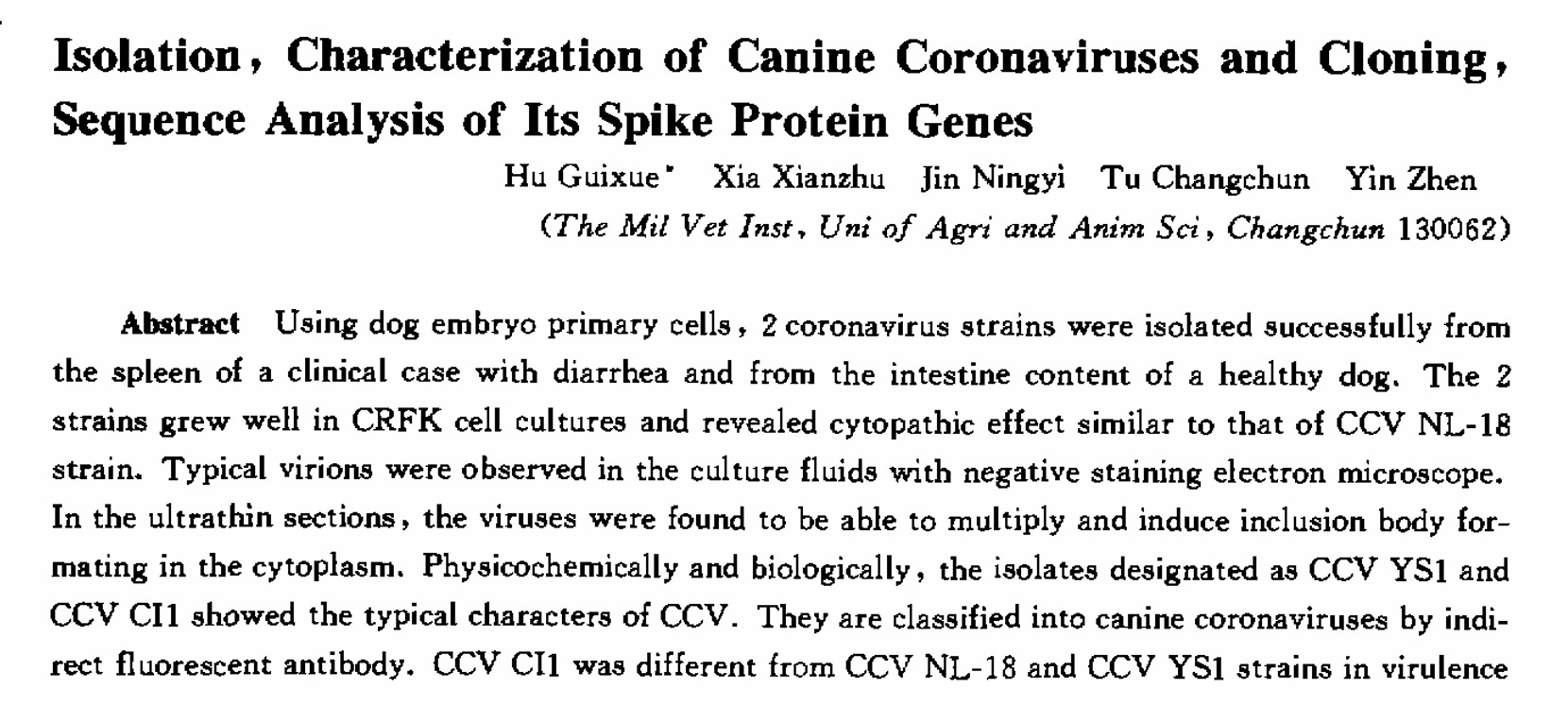
But how would Tu have known to go to Nanning? Had he perhaps already isolated a SARS-like bat coronavirus? He had prior experience isolating and culturing other novel viruses - including coronaviruses. This paper is from 1997.
Another focus of his research was developing multiplex PCR assays for zoonotic viruses. These can detect the presence of multiple viral families with a single test.
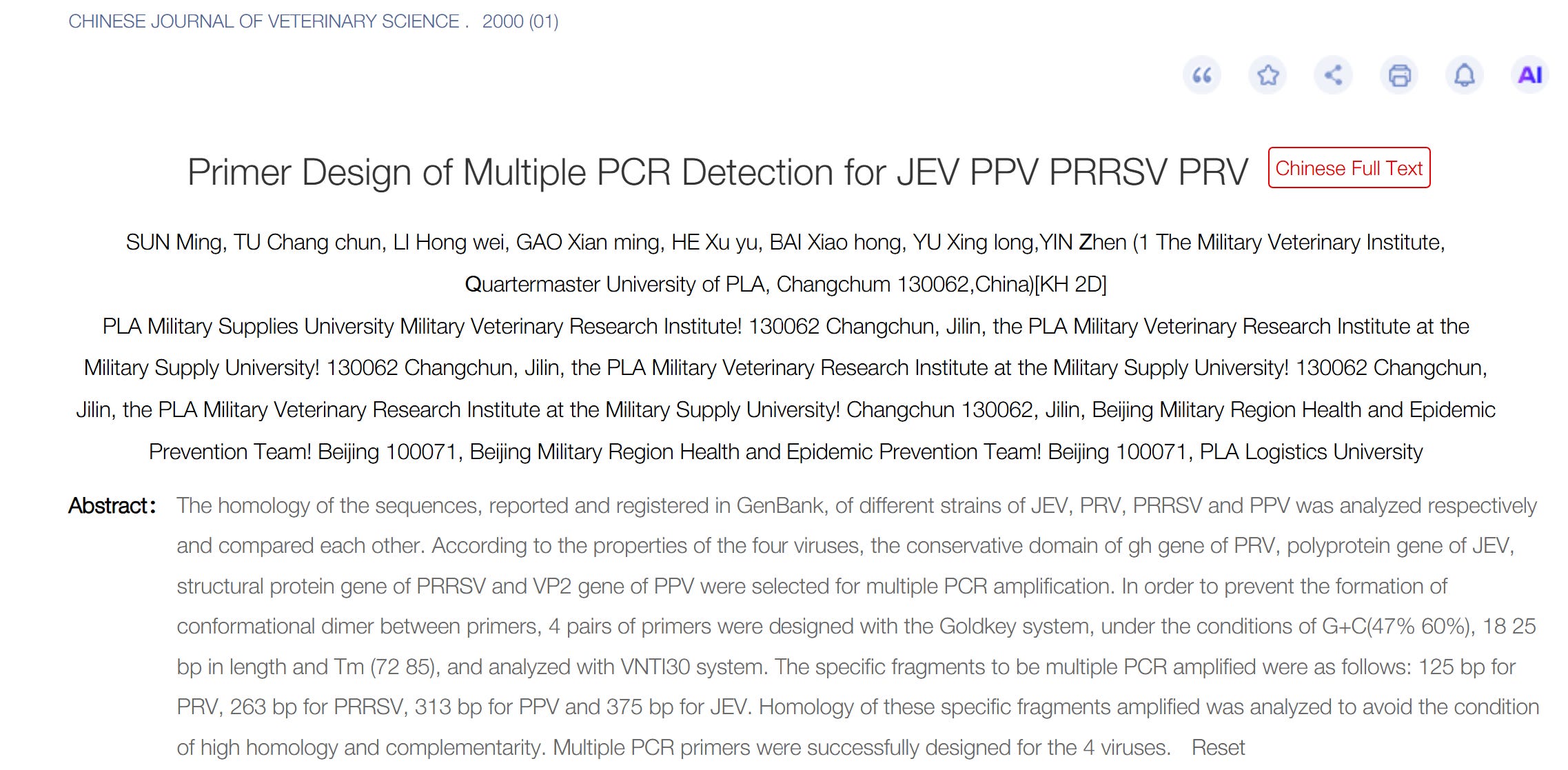
Putting Tu + Tu together
It’s a reasonable conjecture that by 2002, Tu Changchun may have obtained bat samples from Nanning (or further west) and, while testing for a spectrum of viruses, identified and isolated a novel coronavirus.
The CSIRO/WIV group initially sequenced three sarbecovs - Rp3 from Nanning, Rm1 and Rf1 from Hubei. HKU sequenced HKU3 at around the same time. While all of these are relatively distant from SARS in the spike gene, they closely resemble it in the rest of the genome, particularly ORF1ab. On a nucleotide basis, Rp3 is by far the closest of these early discoveries to SARS in ORF1ab.

Adapting the spike
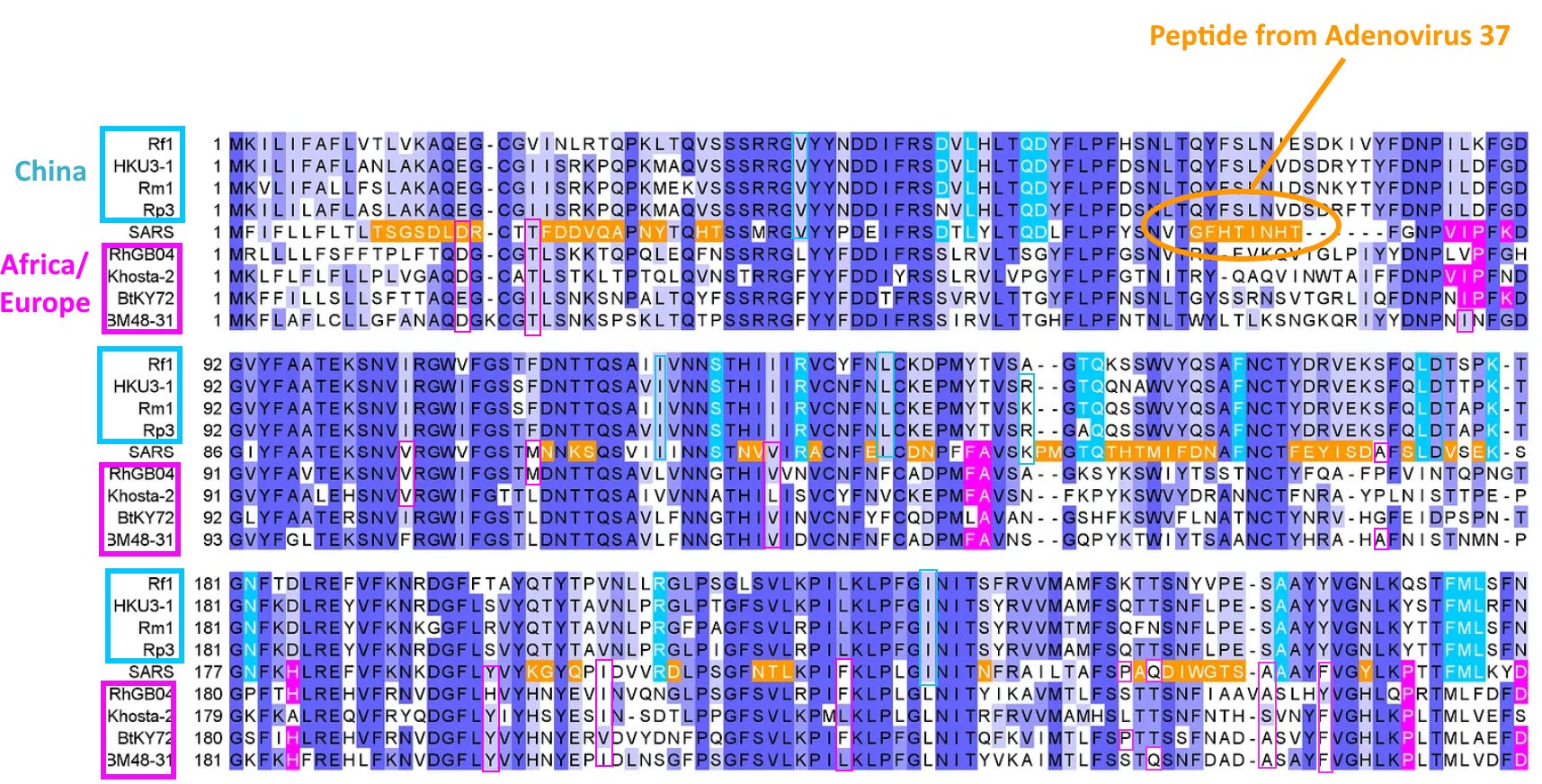
The origin of SARS’ spike gene is more of a mystery. The key attachment region - the RBM - more closely resembles a clade of bat coronaviruses found in Africa and Europe. African/European sarbecovs have some affinity for the ACE2 receptor, the Chinese don’t. SARS appears to be a recombinant - or an artificial chimera - consisting of a backbone similar to Rp3, with a spike gene from elsewhere.
While the spike of SARS is based on natural viruses, it is most likely the product of genetic engineering. It looks like a “mash-up” of the two geographically distinct clades with some unique features of its own. As illustrated in this alignment of the NTD, it at times appears to agree with the Chinese clade (cyan), at times with the Afro-European (pink) and there are some regions where it agrees with neither (orange).
Adaptation techniques such as serial passage in cell culture, and targeted recombination were the focus of coronavirus experimentation in the US and Europe in the late 1990’s. A level above this - passaging in genetically modified mice - is also well within the capability of AMMS. Several scientists (including Tu) were engineering and breeding their own mice for various purposes. But to be useful, this requires the host receptor (ACE2) is already known, which may not have been the case at that time.
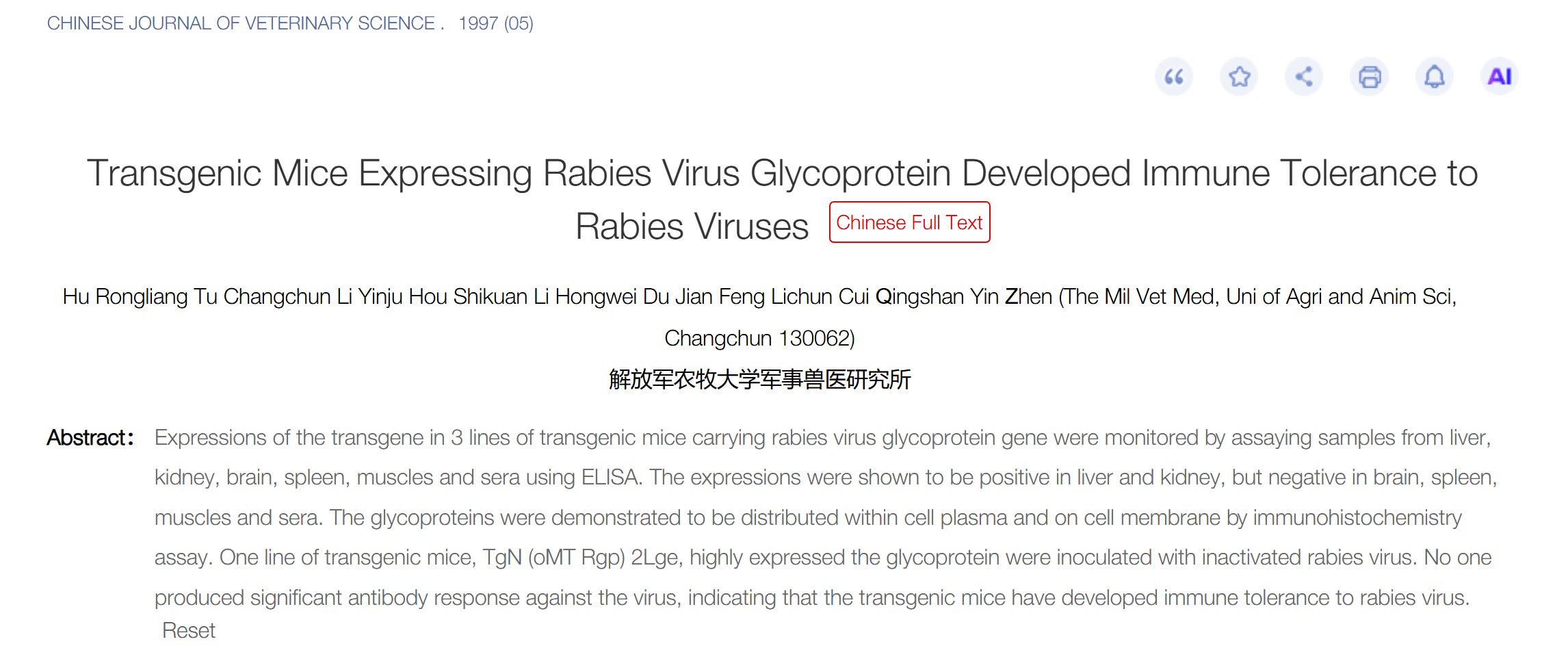
Even when passaged extensively in cell culture and lab animals, a virus typically only acquires a handful of amino acid changes in spike (e.g. MERS MA30 has just 2 amino acid mutations in spike after 35 passages in mice). Passage may have helped adapt the backbone, but SARS spike is far more divergent than this.
Accelerated evolution
To adapt a virus more rapidly for human infectivity, perhaps even without a receptor in mind, a class of techniques known as directed evolution is ideal. A multitude (thousands/millions/billions) of genetic variants are created randomly and selected against some fitness criteria (in this case for their ability to infect human cells). The library of variants is generated by biochemical process. Mutations needn’t be constrained to the pathways of natural evolution. Viruses from different hosts that may never have encountered one another in nature can be introduced in a test tube, chopped into random segments and recombined in millions of permutations. Many of these will be non-viable, but no matter. A few will demonstrate improvement at infecting human cells. It isn’t necessary to understand why some are fitter than others. The fittest can be used in further iterations of the process - rinse and repeat.
SARS’ spike in the alignment above points to the use of specific directed evolution techniques: DNA shuffling, error-prone PCR and random peptide insertion.
DNA shuffling
This technique involves taking genes from related viruses, chopping them up and reassembling them in random permutations.
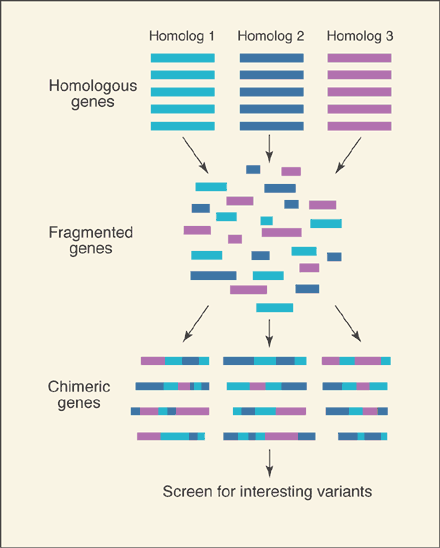
There is evidence of interest in, and experimentation with this technique by the lab of Wang Hai-Tao, and one of his proteges Tong Yigang. Tong is another AMMS scientist often mentioned on this site - as he would later “discover” the pangolin coronaviruses, while working on a military logistics project classified secret.
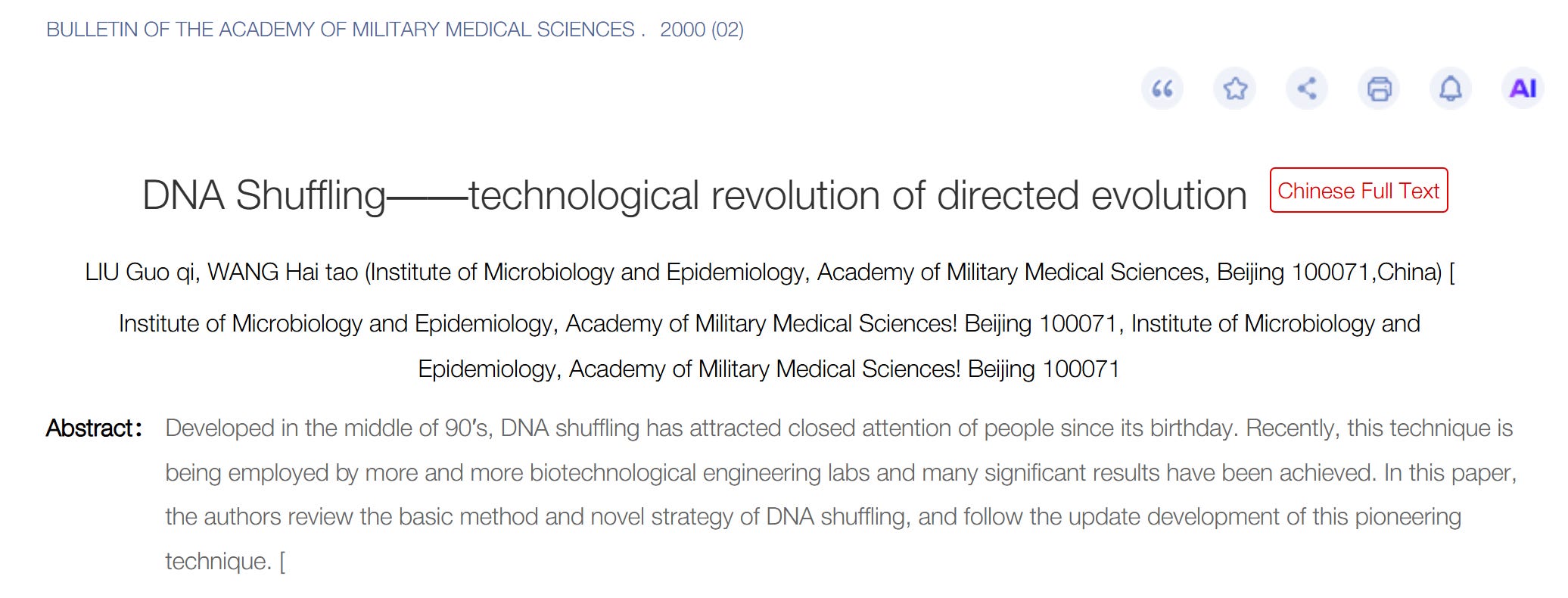
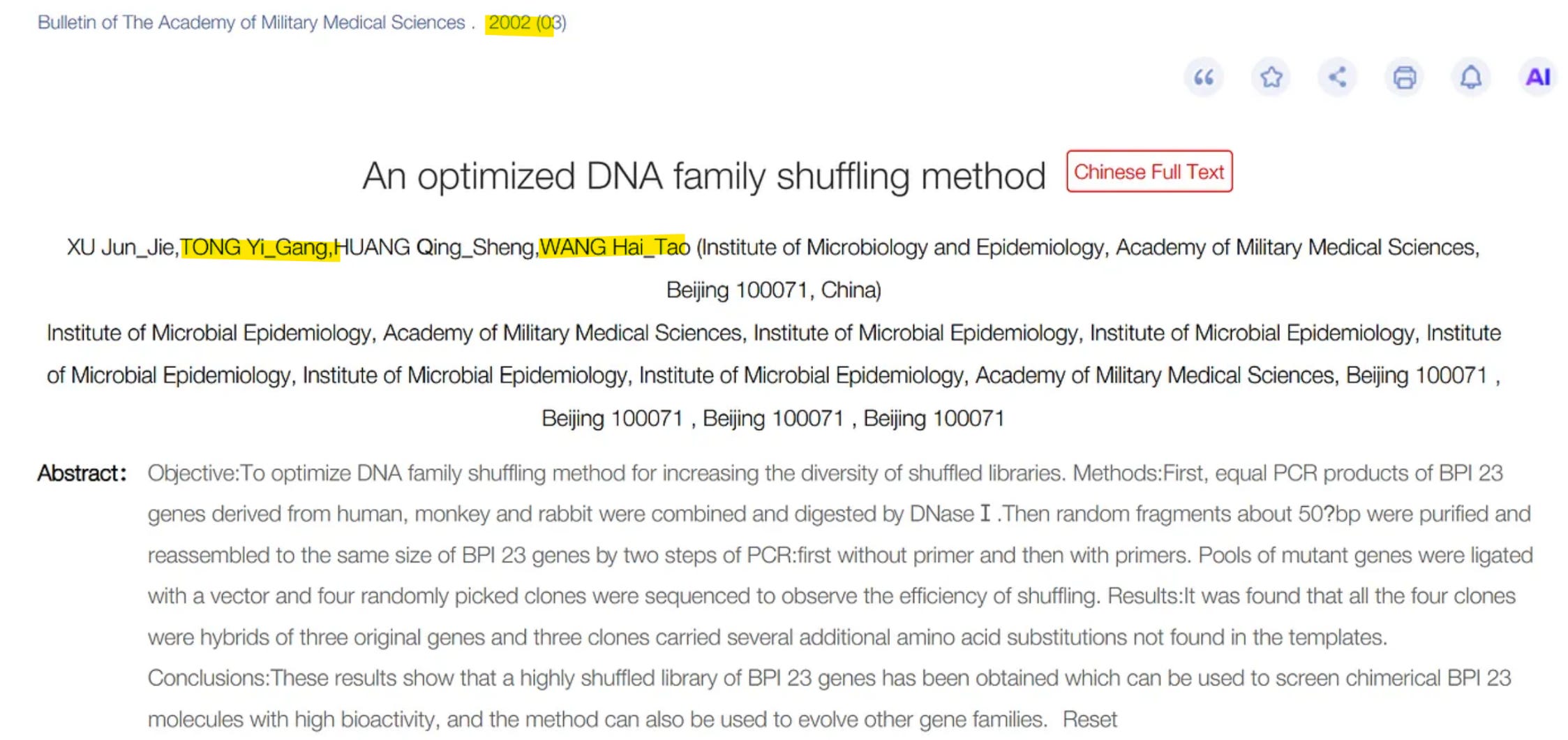
In this 2002 paper they made adjustments to the process to improve outcomes when homology of the gene variants was low. They obtained shuffled genes with different proportions of human/monkey/rabbit variants, and noted that additional point mutations had been introduced that were in none of the original source sequences. Fragment sizes varied, averaging ~50bps, or ~16-17 amino acids. SARS spike is consistent with being the product of DNA shuffling one or more members of the Chinese sarbecov clade, with member/s of the Afro-European clade.
Random peptide insertion
There are also a few regions of 5-8 amino acids in SARS that don’t seem to originate in either clade, while their length suggests they aren’t the result of single point mutations. I have identified some of these as being from other viruses (with caveats over the length). How and why were they selected? Rather than a rational design, they may have been selected randomly from a library of peptides - another established directed evolution technique. While there’s no reason to try inserting a surface peptide from a virulent adenovirus into a different surface-exposed loop of a coronavirus, with directed evolution a reason isn’t needed. If it binds, it binds.
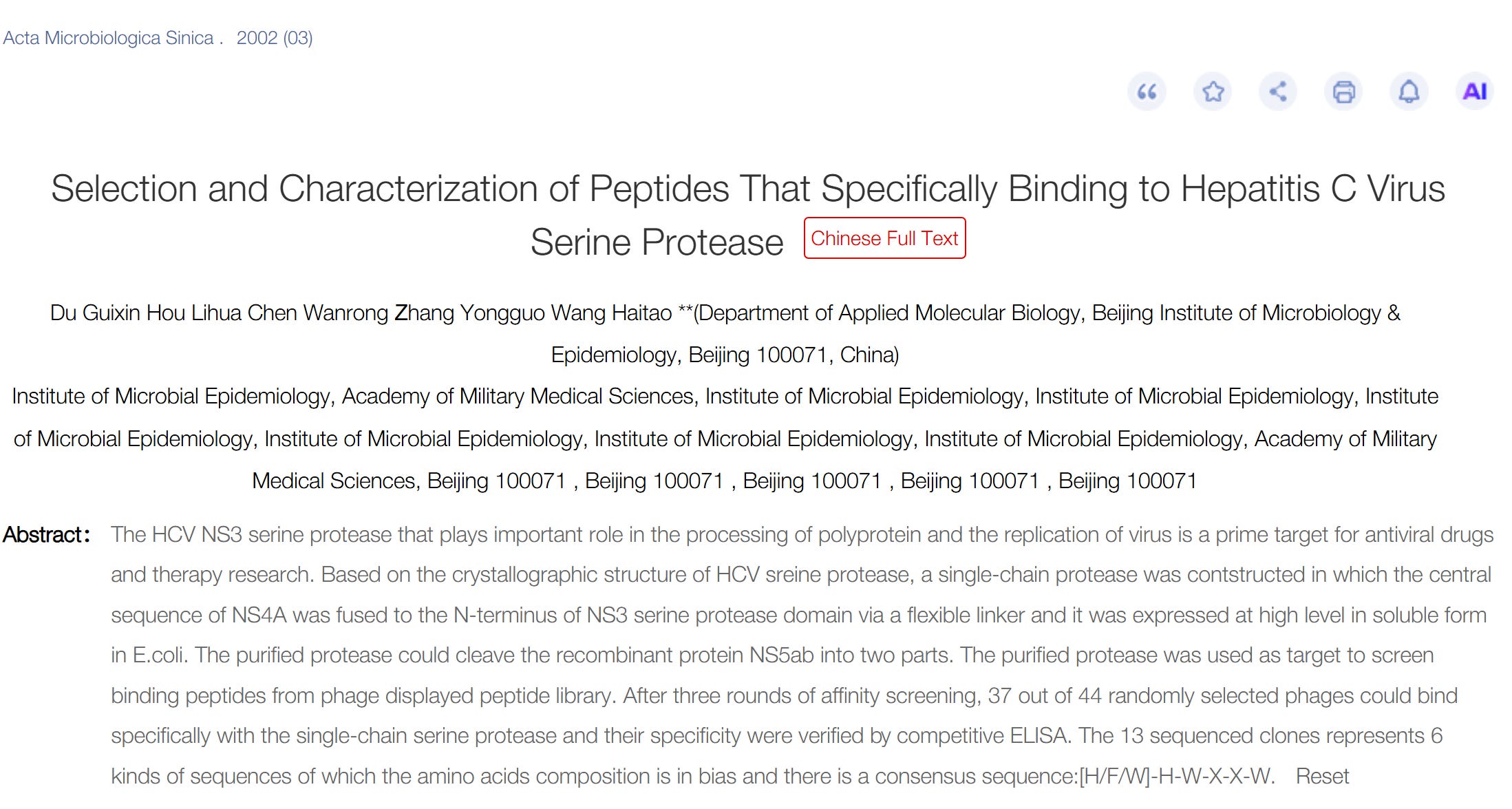
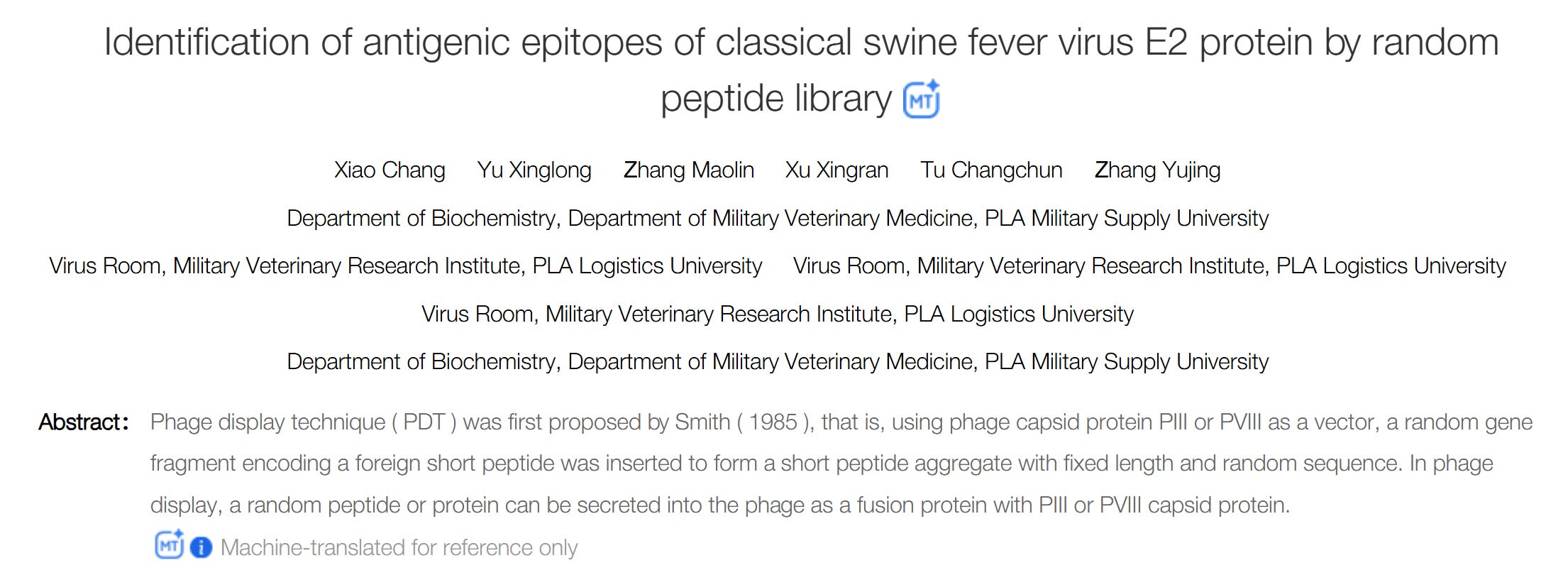
Random peptide insertion is the technique used to generate the variants, and phage display is the technique widely used to select the fittest variants when the criteria is bonding affinity for another protein. There’s evidence of experiments using these techniques being used in the lab of Wang Haitao, and by Tu Changchun’s lab before SARS.
Assembling a live full-length chimera
There are most likely differences in the way SARS-1, MERS and SARS-CoV-2 spike genes have been engineered. I suspect SARS-CoV-2 was probably engineered as separate functional domains (e.g. NTD, RBM, S1|S2 junction) which were individually tuned before assembly. At the time of SARS-1, far less was known about the function, interactions, processing of a coronavirus spike. It’s also likely that genes other than spike have been engineered/evolved in SARS-CoV-2 which adds complexity to the task of assembling a genome.
SARS-1 and MERS would have posed no great technical barrier for AMMS. It is likely that in both cases, an engineered spike gene was simply substituted for the natural. This can be achieved with targeted recombination which had long been a staple of coronavirus experiments. In 1999 it was used to switch the host of MHV from mice to cats by replacing its spike with that of a feline coronavirus.
At around the same time, the Ralph Baric/Mark Denison and Luis Enjuanez labs were independently publishing reverse genetic systems for cloning full length coronavirus genomes. However, AMMS appears to have favored DNA synthesis and PCR based assembly methods than those based on restriction enzymes.
In August 2002, the first live virus synthesized entirely from sequence data was nnounced - causing consternation that having access to a physical virus isolate was no longer necessary for a bioterrorist. Although AMMS were keenly interest in such techniques, a coronavirus genome is 4 times the size of the poliovirus synthesized, and would perhaps have exceeded their capability at the time. It still may have been used for assembling the spike gene.
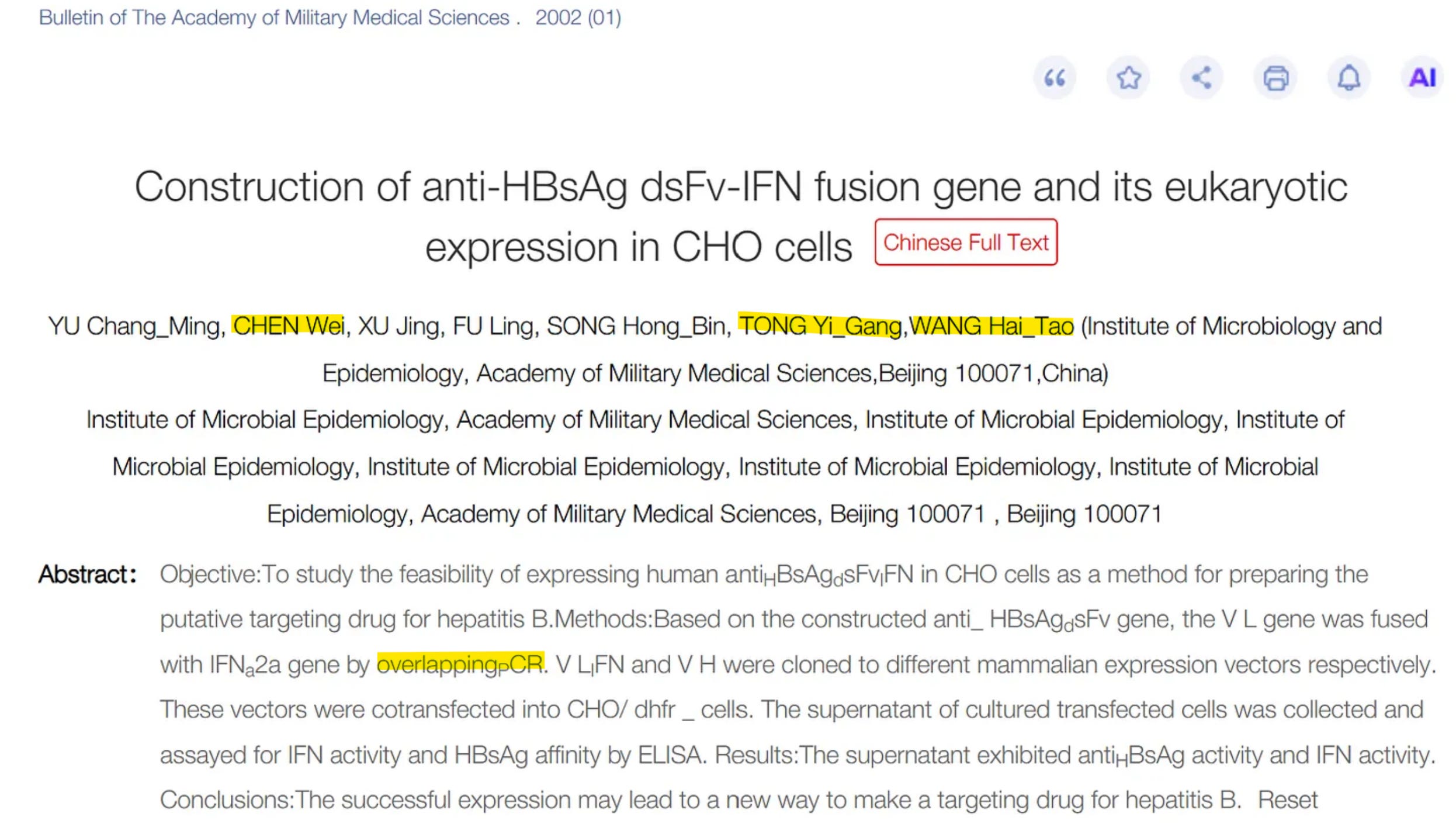
By 2019, it would certainly have been possible to assemble SARS-CoV-2 with these methods. This collaboration between Yusen Zhou and Tong Yigang demonstrates their ongoing interest.

Aerosolization
AMMS has produced many studies on aerosolization and infection from the early 1990’s. Most published experiments use liquid aerosols and study pathology, dispersal, survival under various environmental conditions etc. The principal researchers in this field are Che Fengxiang, Li Junbao and Li Jinsong.
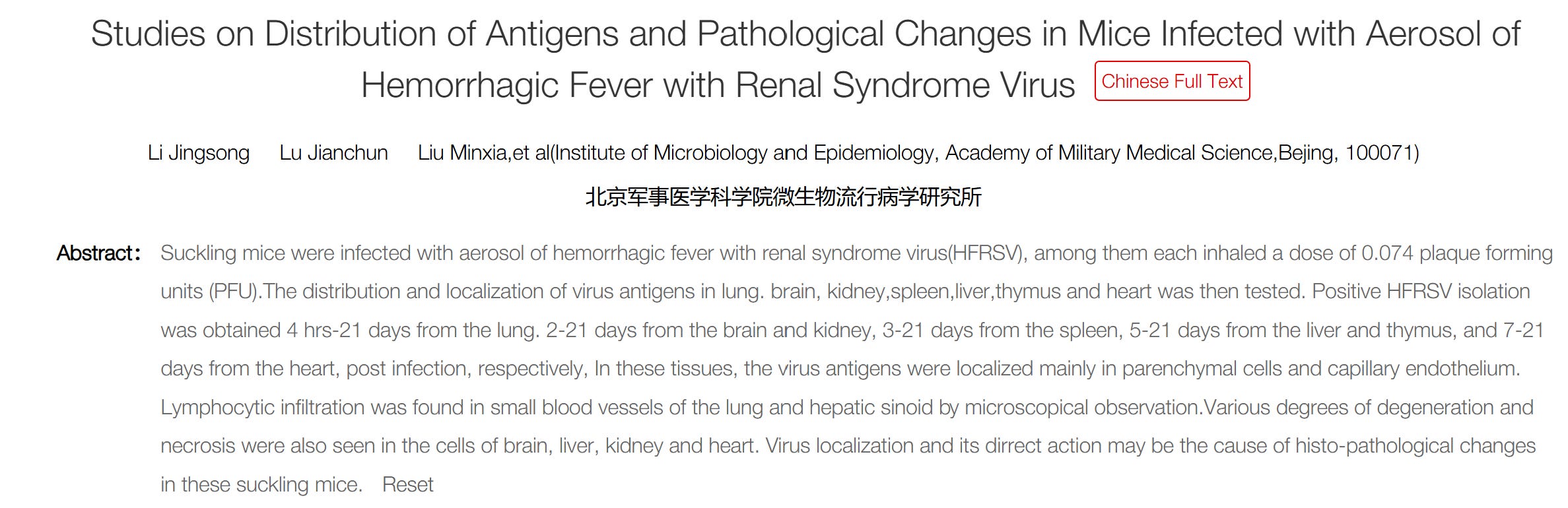

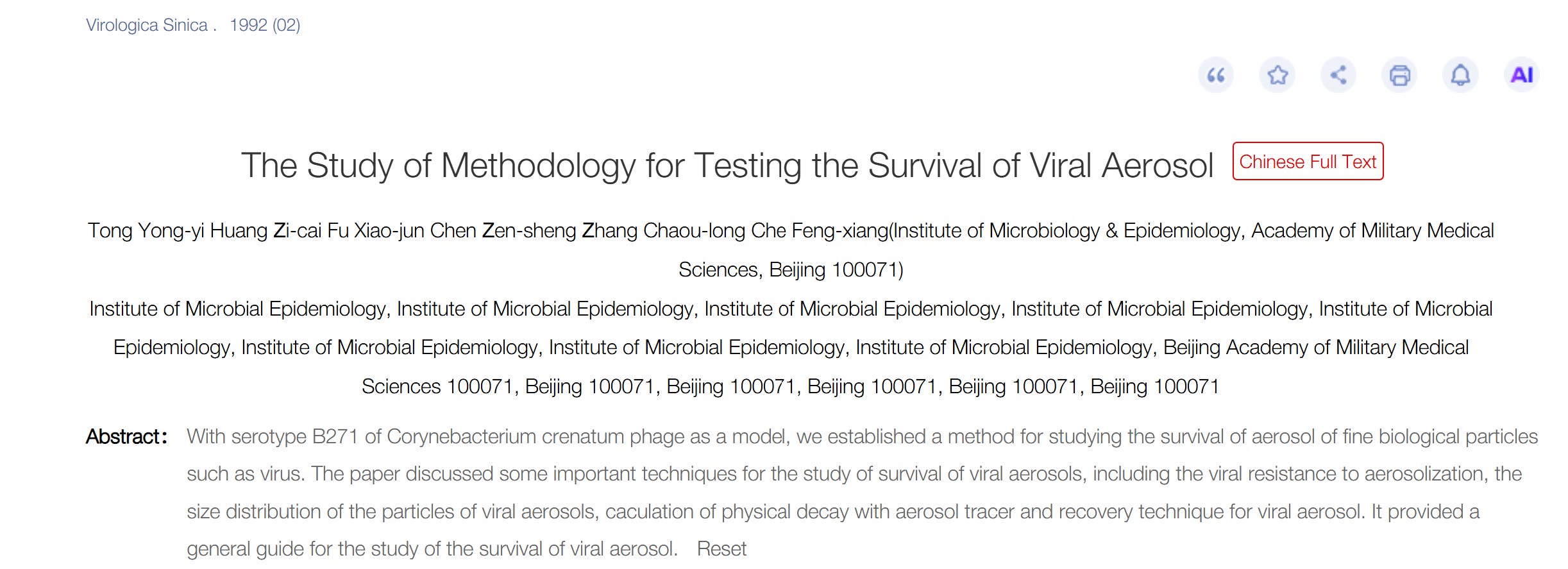
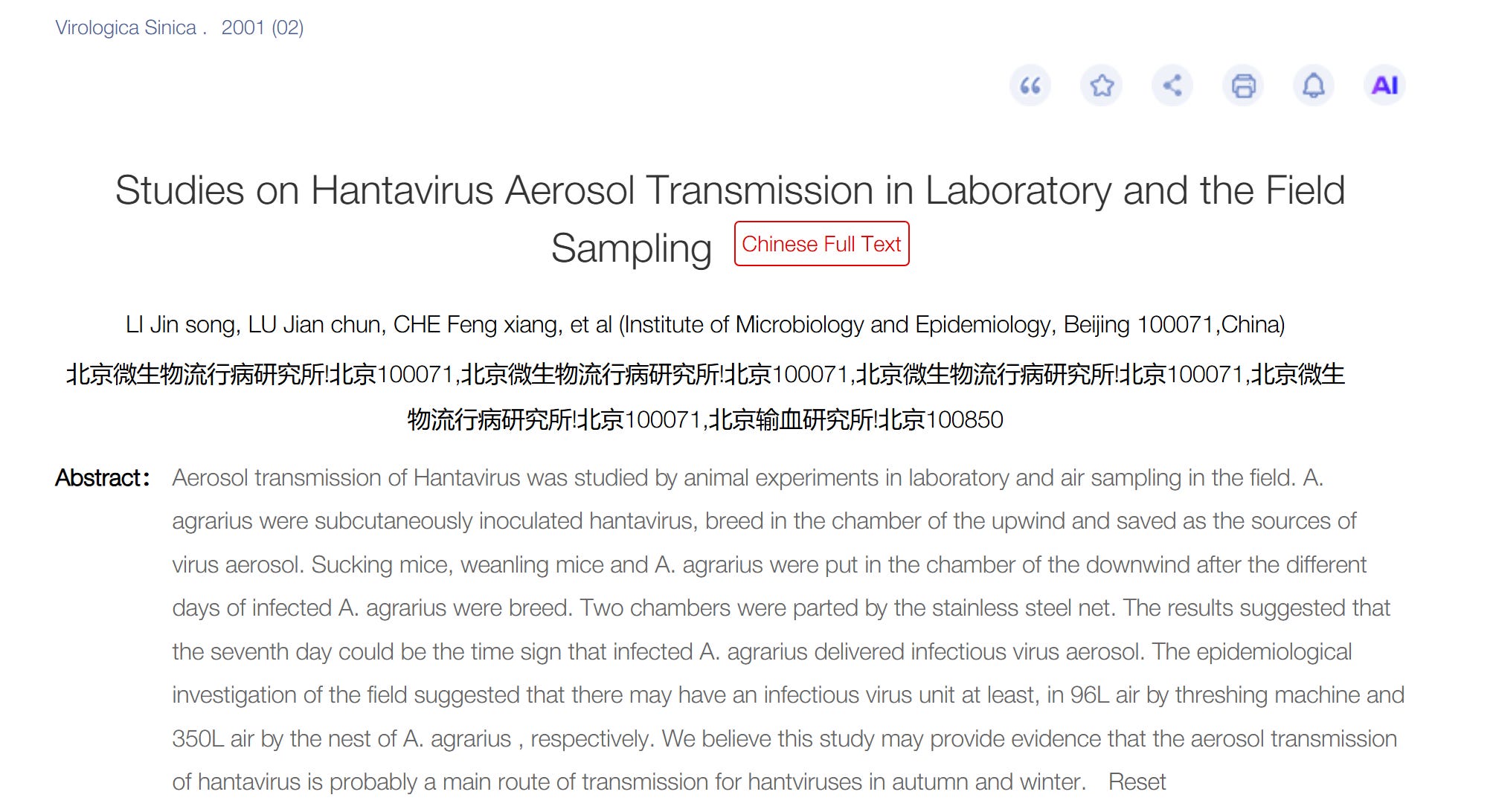
Aerosols created from viral particles suspended in liquid are relatively short lived. A liquid aerosol is sufficient to explain a single super-spreader event, but it is harder to explain secondary super-spreaders as in my recent article about the Hotel Metropole. I think it is likley that a dry aerosol was used. To create a dry aerosol viral particles are lyophilized (freeze-dried) and encapsulated in a medium in tiny particles designed to be aerogenic and stable for long periods so long as they’re kept free of moisture. Although there are technical challenges, the Soviet BW program was known to have had the capability from the late 1980s.
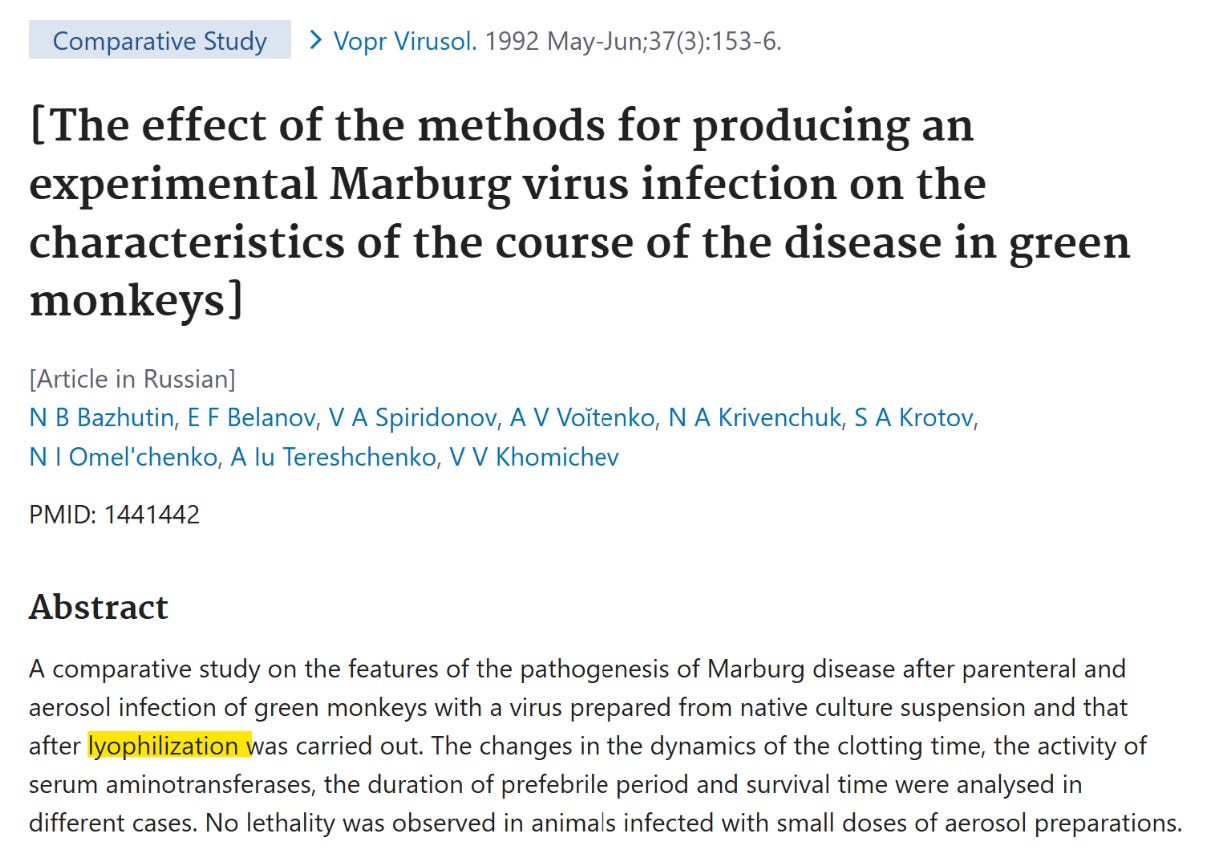
While research into dry aerosolization of virulent pathogens would breach the Biowarfare Convention, some viruses (e.g. adenoviruses and vaccinia) have legitimate medical uses as vectors for vaccines and gene therapy. Methods for encapsulation don’t differ much whether the virus is pathogenic or harmless - the classic dual-use dilemma. Worse, the technique is designed to reduce the innate immune response - the immune system sees substances that are familiar and harmless, not viral antigens. The microcapsules are a trojan horse. Papers on the microencapsulation of viruses are published openly in western journals
Several AMMS institutes showed an interest in dry aerosolization techniques, particularly the Institute of Pharmacology and Toxicology and the Institute of Medical Equipment, which might have claimed to have some legitimate uses for them.
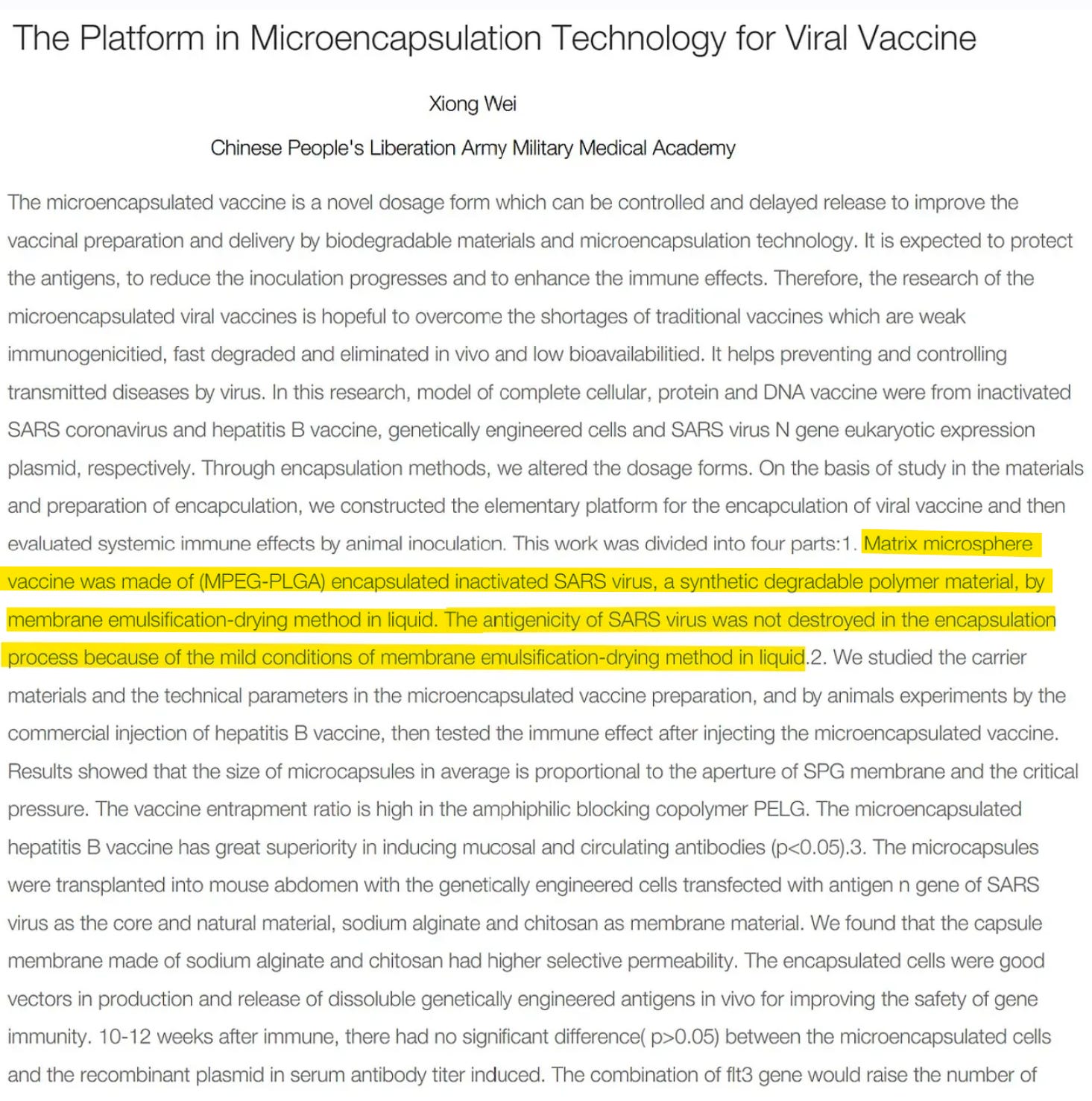
In 2005 an AMMS doctoral student engineered a vaccine for SARS using a microencapsulated virus. Despite the virus being inactivated, the method indicates they had overcome some key challenges using specialized techniques and equipment, that might also work with live virus. This work is particularly interesting as, rather than pharmacologists, the student’s supervisors are virologists Zhu Qingyu and Q'in Ede from the Institute of Microbiology and Epidemiology. Both play a role in the cover-up of the origin of SARS.
Primate testing
The AMMS has an Animal Testing Center in Beijing which was used by BIME scientists for SARS vaccine challenge testing in primates in 2003.

The facility had a self-contained breeding colony of ~400 rhesus and cynomolgus monkeys as at 2009.
Conclusions
The AMMS has extremely competent scientists, is well resourced, in touch with the latest developments in western science, and capable of developing innovations of their own. They had all the capabilities needed for engineering SARS in 2002 exploiting state of the art in several BW adjacent fields. Perhaps because offensive bioweapons are no longer developed, western scientists have shown themselves to be out of their depth in assessing whether novel pathogens may be bioweapons, and in understanding the dual-use potential of certain technologies.
Some government agencies and institutions still fret about bioterrorism, though not to the same degree they worry about zoonotic outbreaks - or even the emerging awareness of accidental lab leaks. Even where they do acknowledge a threat, it is usually presumed to be from a home grown “lone wolf” terrorist, newly empowered by technological advances and access to know-how via the internet. It’s a risk they can perhaps mitigate by tracking orders from DNA synthesis services, restrictions on AI and scientific knowledge, equipment and reagents etc. But it does nothing to address the real threat: China’s military - and potentially in future other state actors - emboldened by our failure to properly attribute attacks.